
Scientists develop ‘smart’ drug delivery system for brain cancer, skin disease treatment

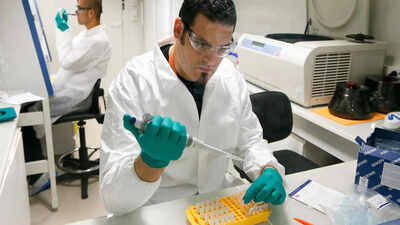
A £1 million research project led by the University of Sheffield is developing a new generation of “smart” drug delivery vehicles that could deliver chemotherapy directly to post-surgical sites in patients with glioblastoma, a rare and aggressive form of brain cancer, while also opening new treatment possibilities for severe inflammatory skin diseases and difficult fungal…

Read More

Airplane sized Asteroid 2026 FB: NASA warns: Airplane-sized asteroid 2026 FB zooming past Earth at 34,000 mph today; what could happen next |

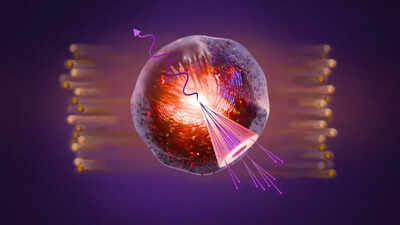
NASA is keeping an eye on near-Earth objects. One such object is a small asteroid called 2026 FB. This asteroid is expected to pass close to the Earth today. The asteroid is small in size, but it is still keeping the attention of experts. To observe the movement of such objects, ground-based telescopes and radars…

Read More

Could peanut shells power your devices? Scientists convert farm waste into high-quality graphene for batteries |

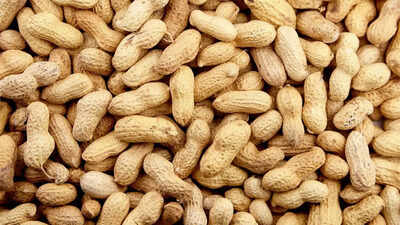
Revolutionising the synthesis of graphene as an alternative to conventional graphite for lithium-ion batteries, UNSW Sydney scientists have created a highly efficient and cost-effective method for transforming low-value peanut hull waste stockpiles into high-quality graphene for batteries through innovative flash Joule heating technology. The process produces super-conductive graphene nanomaterials in just seconds and could dramatically…

Read More

From crypto to crops: Bitcoin mining heat warms a Dutch greenhouse for growing tulips |

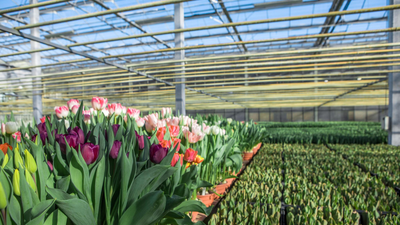
Dutch greenhouse growing tulips In a greenhouse on the outskirts of the Netherlands’ flower-growing regions, rows of tulips bloom in a climate controlled not only by traditional horticultural equipment but also by humming cryptocurrency computers. Instead of allowing heat generated by Bitcoin mining machines to dissipate into the air, farmers and engineers have begun redirecting…

Read More