Why climate forcing is not equal everywhere: New model tests show polar changes can be more than three times as powerful as global ones
Climate change is often discussed in terms of global averages, but new research suggests that where warming or cooling occurs may be just as important as how much occurs. Using advanced climate model simulations, scientists found that the Earth’s climate system responds very differently depending on where radiative forcing is introduced. Changes centered over the polar regions triggered a much stronger global temperature response than identical forcing applied across the entire planet, while forcing confined to the tropics produced a comparatively weaker effect. The findings highlight that the location of climate forcing plays a major role in determining how Earth’s atmosphere amplifies or dampens future warming.
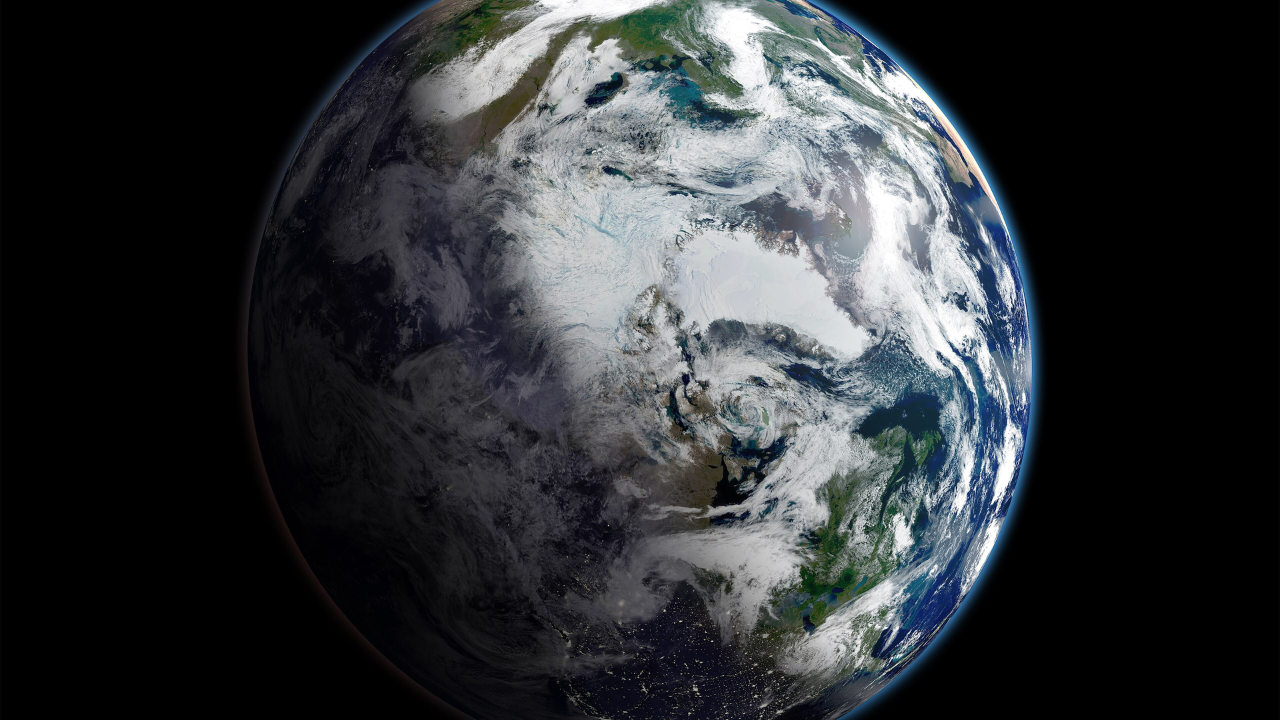
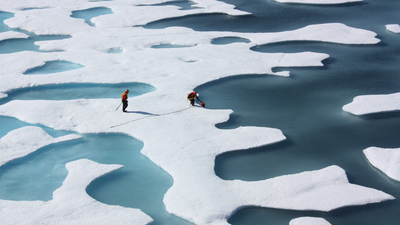
On September 2, 2012, a record lowest minimum occurred: 3,410,000 square kilometres (1,320,000 sq mi) | Wikimedia Commons
Polar forcing triggered a far stronger climate responseThe study, conducted using the National Center for Atmospheric Research (NCAR) Community Atmosphere Model coupled to a slab ocean model, compared how the climate reacted to carbon dioxide and stratospheric sulfate aerosol forcing applied globally, across tropical latitudes (30°S–30°N), and over the polar regions (60°–90° in both hemispheres). Researchers examined several well-known climate feedbacks, including changes in snow and ice reflectivity (albedo), water vapor, cloud formation, atmospheric temperature structure, and the basic Planck response.Their simulations showed that forcing imposed over the polar regions produced a climate forcing efficacy more than three times greater than globally distributed forcing. By contrast, forcing limited to low latitudes generated only about half the effectiveness of globally applied forcing. The results suggest that identical amounts of radiative forcing can produce dramatically different warming depending on where they occur because regional feedback processes amplify the climate response in different ways.Why the Arctic and Antarctic amplify global climateScientists say polar regions are uniquely sensitive because they contain feedback mechanisms that are far stronger than those operating elsewhere. As snow and sea ice melt, darker ocean water and land surfaces absorb more sunlight instead of reflecting it back into space, a process known as the ice-albedo feedback, according to the Intergovernmental Panel on Climate Change (IPCC) Sixth Assessment Report. At the same time, changes in atmospheric moisture, cloud cover, and vertical temperature structure further influence how efficiently heat is retained or released.The latest modelling found that these interacting feedbacks largely explain why polar forcing generated a disproportionately large global response. Even differences between carbon dioxide and sulfate aerosol forcing were linked to how each altered surface temperatures and atmospheric structure, rather than simply the amount of energy entering or leaving the climate system.
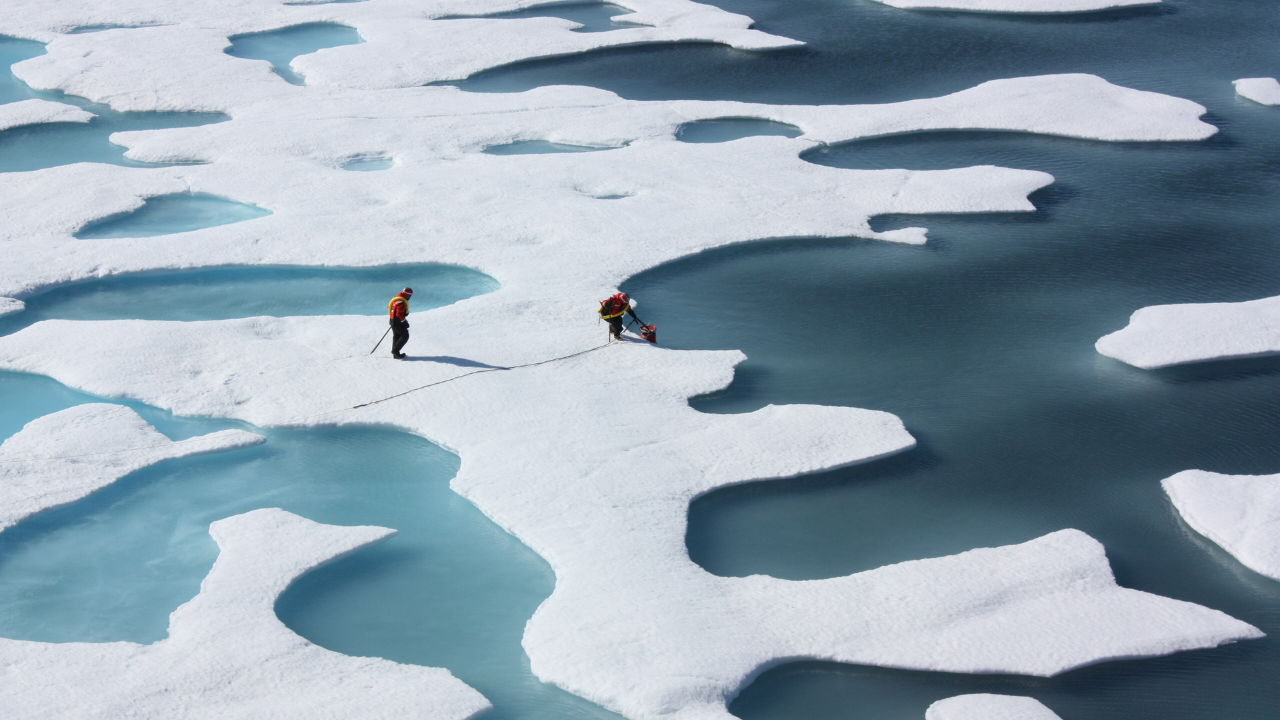
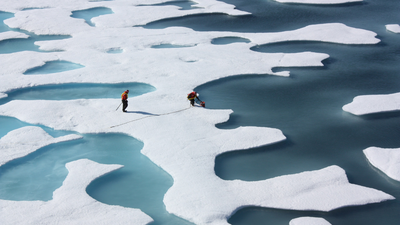
As ice melts, the liquid water collects in depressions on the surface and deepens them, forming these melt ponds in the Arctic | Wikimedia Commons
These findings also have implications for proposed climate intervention strategies such as stratospheric aerosol injection, which aims to reflect a portion of incoming sunlight back into space. The study suggests that both the type of forcing and the region where it occurs can substantially influence the eventual climate outcome.Improving future climate predictionsResearchers say understanding forcing efficacy is essential for improving long-term climate projections because many natural and human influences are not evenly distributed around the globe. Greenhouse gases, volcanic aerosols, industrial pollution, and even future geoengineering efforts can create regional patterns of forcing that trigger very different climate feedbacks.By separating the effects of carbon dioxide and sulfate aerosols across different latitudes, the study provides new insight into why some climate changes spread more efficiently through Earth’s atmosphere than others. The authors conclude that future climate models and mitigation strategies should account not only for the magnitude of radiative forcing but also for its geographic location, since polar changes may have consequences far beyond the Arctic and Antarctic themselves.