
TSA’s $45 fee for travellers without a REAL ID is now in effect: What it means and what IDs are accepted |


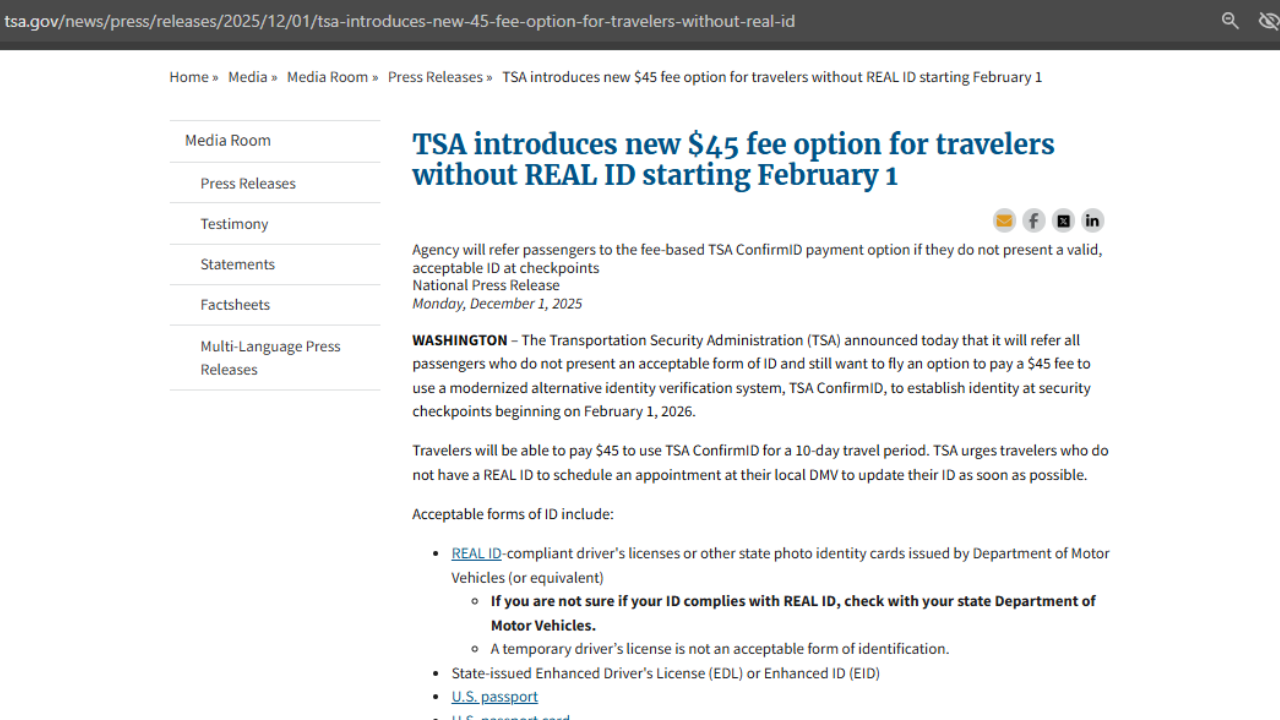
The Transportation Security Administration (TSA) has introduced a new $45 fee for travellers who arrive at airport checkpoints without an acceptable form of identification. Under the new policy, passengers who do not present a valid ID but still wish to fly will be referred to a paid alternative identity verification process called TSA ConfirmID. The system has been designed to modernize and streamline identity checks at security checkpoints while ensuring compliance with federal security requirements. This system has been in place from February 1, 2026.
What is TSA ConfirmID?
TSA ConfirmID is an alternative identity verification system that allows travelers without acceptable identification to verify their identity at the airport. Starting February 1, passengers will be able to pay $45 for access to ConfirmID, which will cover a 10-day travel period.Travelers may be able to pay the fee online before arriving at the airport, as TSA is working with private industry partners to roll out proactive payment options. Those who arrive without prepayment will find instructions at designated locations near security checkpoints in most airports.However, TSA has cautioned that passengers using ConfirmID should expect longer wait times, as the process will require additional screening before they can proceed through security. Read more: H-2B Visa cap reached for first FY 2026 allocation, USCIS confirms
Who needs to pay?
Any traveler who does not present an acceptable form of identification, including those carrying a non-REAL ID-compliant state driver’s license, will be referred to the optional ConfirmID process.

Currently, TSA says more than 94% of passengers already present REAL IDs or other acceptable identification and will not be affected by the new fee.
Acceptable forms of ID
Passengers can avoid the $45 fee by presenting one of the following:
- REAL ID-compliant driver’s license or state photo ID
- State-issued Enhanced Driver’s License (EDL) or Enhanced ID (EID)
- US passport or US passport card
- DHS trusted traveler cards such as Global Entry, NEXUS, SENTRI, or FAST
- US Department of Defense ID (including dependent IDs)
- Permanent resident card
- Border crossing card
- Federally recognized Tribal Nation/Indian Tribe photo ID
- HSPD-12 PIV card
- Foreign government-issued passport
- Canadian provincial driver’s license or Indian and Northern Affairs Canada card
- Transportation Worker Identification Credential (TWIC)
- US Citizenship and Immigration Services Employment Authorization Card (I-766)
- US Merchant Mariner Credential
- Veteran Health Identification Card (VHIC)
Temporary driver’s licenses will not be accepted.
REAL ID enforcement background
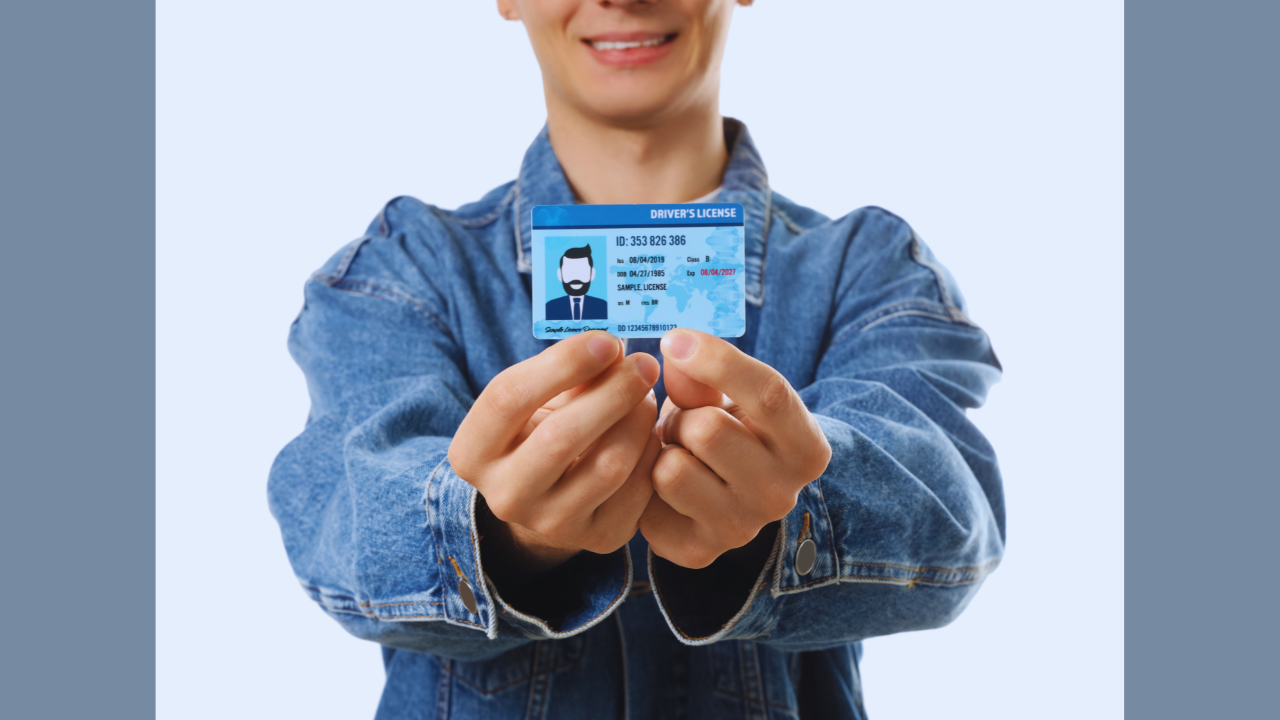
The REAL ID law was enacted more than 20 years ago but underwent multiple implementation delays under previous administrations. It was fully enforced as of May 7, 2025, under Secretary Kristi Noem.According to TSA, identity verification is a critical part of aviation security, ensuring that individuals boarding aircraft are properly vetted. Senior Official Performing the Duties of Deputy Administrator for TSA Adam Stahl said the fee ensures that the cost of additional identity verification “will come from the traveller, not the taxpayer,” and emphasized that security remains the agency’s top priority. Read more: India Young Professionals Scheme 2026: UK Visa ballot opens today; 3,000 spots available
What travellers should do
TSA is urging travelers who do not yet have a REAL ID to schedule an appointment with their local Department of Motor Vehicles as soon as possible. While ConfirmID provides a fallback option, the agency warns that passengers who rely on it could face delays and potentially miss flights.With enforcement in effect and the new fee beginning in 2026, travellers are being advised to check their identification well in advance of upcoming trips to avoid added costs and longer processing times at airport security.