THIS dinosaur-killing asteroid couldn’t destroy these animals 66 million years ago; here’s how |
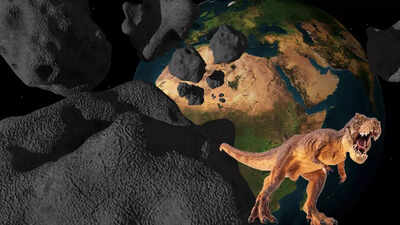
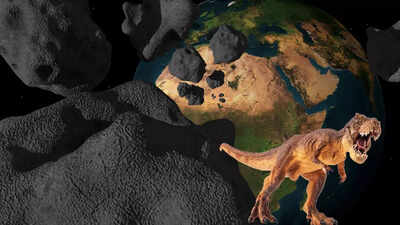
There was a time when the planet was crawling with enormous dinosaurs, the next, a six-mile-wide asteroid hit, and life changed forever. Almost 66 million years ago, nearly three-quarters of all species vanished in a blink. Fires, tsunamis, scorching heat, it seems nothing stood a chance. But not everything went extinct. Some animals hung on, somehow, through one of the most brutal events in Earth’s history. What gave these survivors an edge? Experts say it was a mix of luck, lifestyle, and biology. Creatures that could hide, burrow, or float through the chaos reportedly had a better shot at sticking around long enough for life to bounce back.
How some animals survived the deadly first hours after the asteroid
The immediate aftermath was terrifying. Thermal radiation reportedly raised the Earth’s surface to lethal levels in minutes. Any animal out in the open would have been roasted almost instantly. Fossil evidence shows molten rock rained down too, forming glass shards that tore through anything exposed. So, small size mattered. Burrowing underground or hiding in water gave some species a fighting chance. Crocodiles, lizards, birds, even early mammals, many reportedly survived this first wave. Dinosaurs, not so lucky. Most of the big ones simply could not escape the heat and chaos.Animals that were not picky eaters did better than specialists. Herbivores that relied on certain plants suffered badly when forests turned to ash. Carnivores struggled when prey disappeared. But insectivores, seed-eaters, and scavengers could nibble whatever scraps they found. That gave them time while the world slowly started to recover.
How survivors managed after the impact winter
Emerging from the shelters was not exactly a happy moment. Forests were gone. The sky reportedly blocked by dust and soot, cutting out sunlight for months, an “impact winter,” scientists call it. Plants stopped growing, herbivores starved and so carnivores starved too. Yet some creatures made it work. Mammals, for example, were small, low on the food chain, and generalists. They could scurry about in the shadows, surviving quietly while the big dinosaurs had held sway before. Some lineages, like multituberculates, rodent-like mammals, apparently thrived even under dinosaur rule. Eutherians, our direct ancestors, reportedly got by because they were small and flexible.
Why did some survive and others not
Crocodiles survived, but mosasaurs, similar aquatic predators, did not. Tiny, omnivorous dinosaurs did not make it, though you would think they could have. Sometimes it’s hard not to chalk it up to chance. Perhaps some animals just got lucky. Maybe a few pockets of survivors avoided the worst. That randomness could explain why we have birds, mammals, and crocodiles today, and why the rest disappeared. From the smouldering aftermath, these few survivors repopulated the planet. They forged a new world without dinosaurs on top. And, quietly, they set the stage for us humans to appear millions of years later.