
Scientists tracked 925 pet cats across six countries; most stayed within small home ranges but had a large local impact on wildlife |
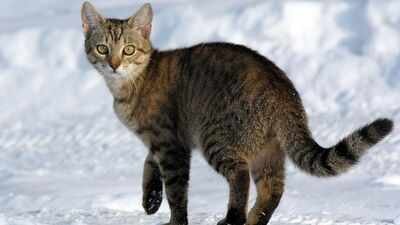
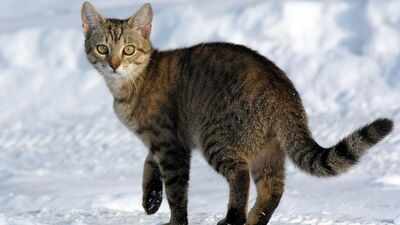
Pet cats may spend much of their time close to home, but their hunting can have a large local effect on wildlife. Researchers worked with citizen scientists to track 925 pet cats from six countries and examined where the animals moved and what types of prey the cats kill. The cats had remarkably small home ranges, with an average of 3.6 hectares, and most used mainly disturbed habitats. Owners reported that their pets killed an average of 3.5 prey each month. According to the research published in Animal Conservation titled ‘The small home ranges and large local ecological impacts of pet cats’, the ecological impact was 14.2 to 38.9 prey per hectare per year for each cat. The study found that these effects were concentrated within about 100 metres of cats’ homes.
How did researchers track the movement of 925 pet cats using GPS
The study tracked 925 pet cats from six countries using GPS data collected with the help of citizen scientists. Researchers combined information on the cats’ movements with reports from owners about prey that their pets killed. The tracked cats had remarkably small home ranges, averaging 3.6 ± 5.6 hectares. Only three cats had home ranges larger than 1 square kilometre. The researchers also found no relationship between home range size and the presence of larger native predators, including coyotes. Most cats used primarily disturbed habitats, with 75% of the cats using these areas for 90% of their activity. These results showed that the cats generally stayed close to the places where they lived across the landscapes they occupied during tracking.
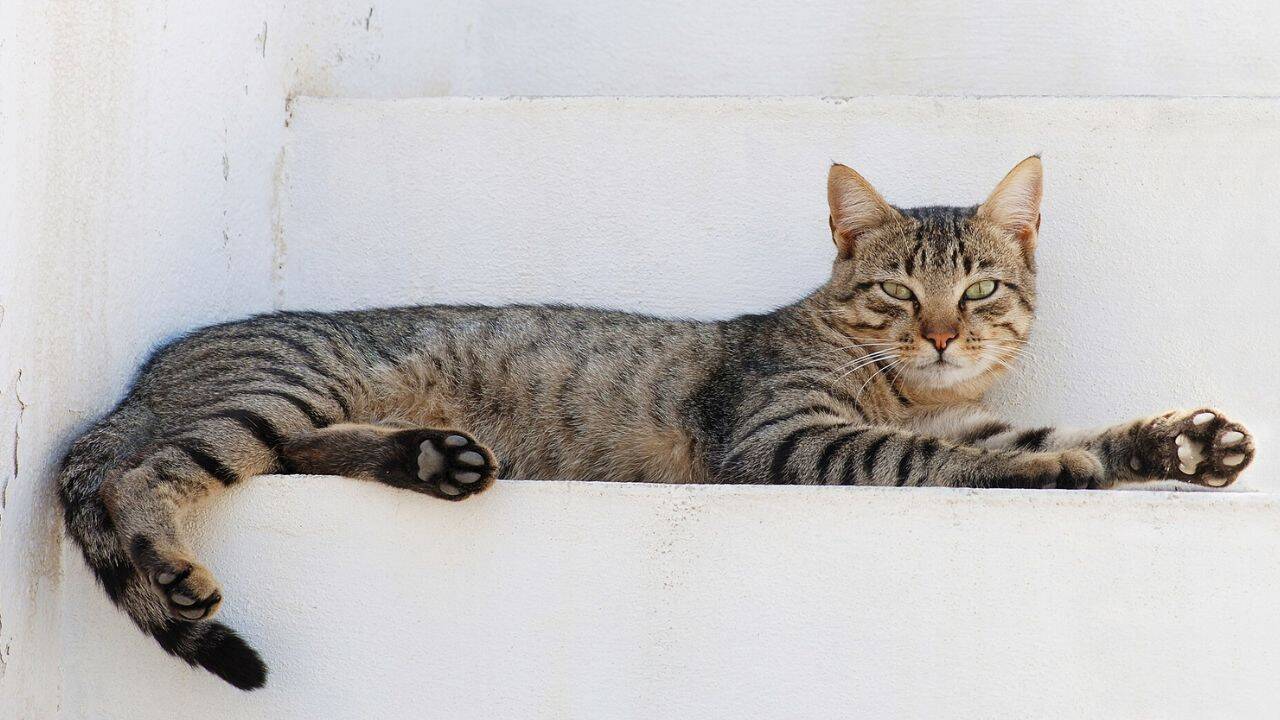
PC: Wikipedia
How much wildlife did pet cats kill near their homes
The researchers found that pet cats’ hunting was concentrated close to their homes rather than spread across large areas. Their ecological impact was estimated at 14.2 to 38.9 prey per hectare per year for each cat. Owners reported that their cats killed an average of 3.5 prey items each month. The study notes that cats do not always bring their prey back home, so the researchers adjusted the prey counts to estimate the total number killed.Although pet cats kill fewer prey per day than wild predators because they receive food from people, their small home ranges concentrate their hunting in a limited area.
Pet cats spent most of their time near homes and neighbourhoods
Most of the tracked cats spent their time in disturbed habitats rather than natural areas. The study reported that 75% of the cats used primarily disturbed habitats, and these areas accounted for 90% of their habitat use. This pattern matters because pet cats are common around homes and neighbourhoods, where their hunting activity is concentrated. The researchers found that the ecological effect of pet cats was greater than that of native predators when considered across the areas where cats are densely distributed. The study described this as a result of the high density of pet cats in neighbourhoods. Their movements remained small, but many cats could be hunting within the same local landscape.
How can pet cats affect wildlife more than native predators
The study indicated that pet cats can have a large local ecological impact even though individual cats usually occupy small areas. Their home ranges were generally small, and most hunting occurred near their homes. The researchers estimated that the combined effect of pet cats around the world was greater than that of native predators, with the impact that concentrated around residential areas. The study also noted that only three tracked cats ranged over more than 1 square kilometre, showing how uncommon large home ranges were among the tracked animals.