
No legal aid to accused, SC orders fresh trial in 30-year-old blast case | India News
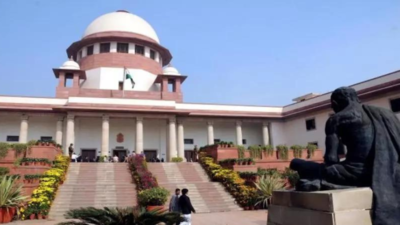
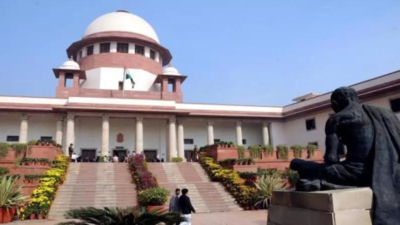
NEW DELHI: Holding that legitimacy of a judicial verdict is measured not by severity of the punishment but by the fairness of the processes through which guilt is determined, Supreme Court Tuesday set aside the conviction and death sentence of an accused in Rajasthan’s 1996 Samleti bus blast case in which 14 people had died, noting that meaningful legal assistance was not made available to him to defend himself.To find out if the accused, Abdul Hameed, was represented by a lawyer, SC interacted with him through video from jail and analysed the order sheet of the trial court. It concluded that the accused remained undefended in court proceedings.A bench of Justices Vikram Nath, Sanjay Karol and Sandeep Mehta directed a fresh trial be conducted in the three-decade-old case.“The right to effective legal representation, the presumption of innocence, the burden upon the prosecution to establish guilt beyond reasonable doubt and the requirement that evidence be scrutinised with objectivity and caution are not mere procedural formalities. They are substantive guarantees that distinguish the rule of law from the rule of public opinion,” the court observed.“Justice must not only be done but must manifestly be seen to be done. The legitimacy of a judicial verdict rests not merely upon the outcome reached, but equally upon the fairness, transparency and integrity of the process by which that outcome is achieved,” it added.The court admitted that acts of violence directed against innocent civilians strike at the very foundations of social order and generate understandable feelings of fear, grief and outrage but said it was precisely in such cases that courts must remain steadfast in their adherence to constitutional values. “The gravity of the allegation cannot be permitted to dilute the standard of proof, nor can the enormity of the crime justify a departure from settled principles governing criminal adjudication. The greater the public outcry, the greater becomes the responsibility of the court to ensure that the determination of guilt is based solely upon law and evidence,” it said.The court requested acting Chief Justice of Rajasthan HC to designate a special court in Jaipur to conduct the de novo trial (retrial). It said the special court shall be presided over by an officer of the Rajasthan higher judicial service having not less than seven years’ experience of conducting sessions trials and it shall make every endeavour to conclude the trial within a year from the date of assignment of the case.It said if the accused is unable to engage a counsel, the special court shall secure competent legal representation for him to ensure effective and meaningful legal assistance throughout the proceedings.