Kenyan researchers are turning human poop from informal settlements into fertiliser; 1,000 farmers could benefit from the unusual waste-to-food cycle |
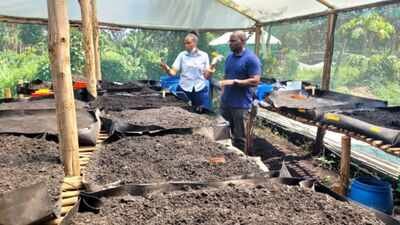
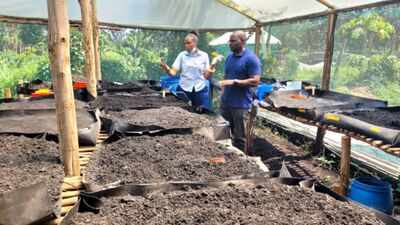
Kenyan researchers are turning human excreta collected from informal settlements in Kisumu into an agricultural fertiliser designed to improve soil while reducing pollution. The product, called KIYA Gold, is being developed by Cornell researchers and Kenyan partners as a way to connect sanitation with food production. Human waste that might otherwise enter Lake Victoria is processed, treated and converted into a usable soil product. The team is now working with farmer networks in several counties, including one in the Kisumu area that has about 1,000 farmers.
How is human poop becoming fertiliser for 1,000 farmers
The work is taking place in Kisumu, a port city on the north-eastern edge of Lake Victoria where farmers face difficult growing conditions. According to the Cornell Chronicle, depleted soils and high fertiliser prices can reduce agricultural yields, while poor sanitation in informal settlements allows untreated human waste to enter the lake. This can contribute to disease and harm fish.Cornell agroecologist Rebecca Nelson and Charles Midega, a professor at Maseno University in Kisumu, have spent the past 5 years working in Africa and Ithaca on ways to turn organic waste into useful agricultural nutrients. Their current project focuses on formalising this approach through KIYA Gold, with the aim of creating a local cycle in which nutrients from human waste can return to farmland.The project developed further 3 years ago when Nelson and Midega connected with Roy Odawa, a farmer and director of Kisumu Young Agripreneurs, known as KIYA, along with Fresh Life, a private waste recovery company. Fresh Life operates removable toilet facilities in Nyalenda, an informal settlement in Kisumu. The collected material is then taken to the KIYA site for treatment, as reported by the Cornell Chronicle.
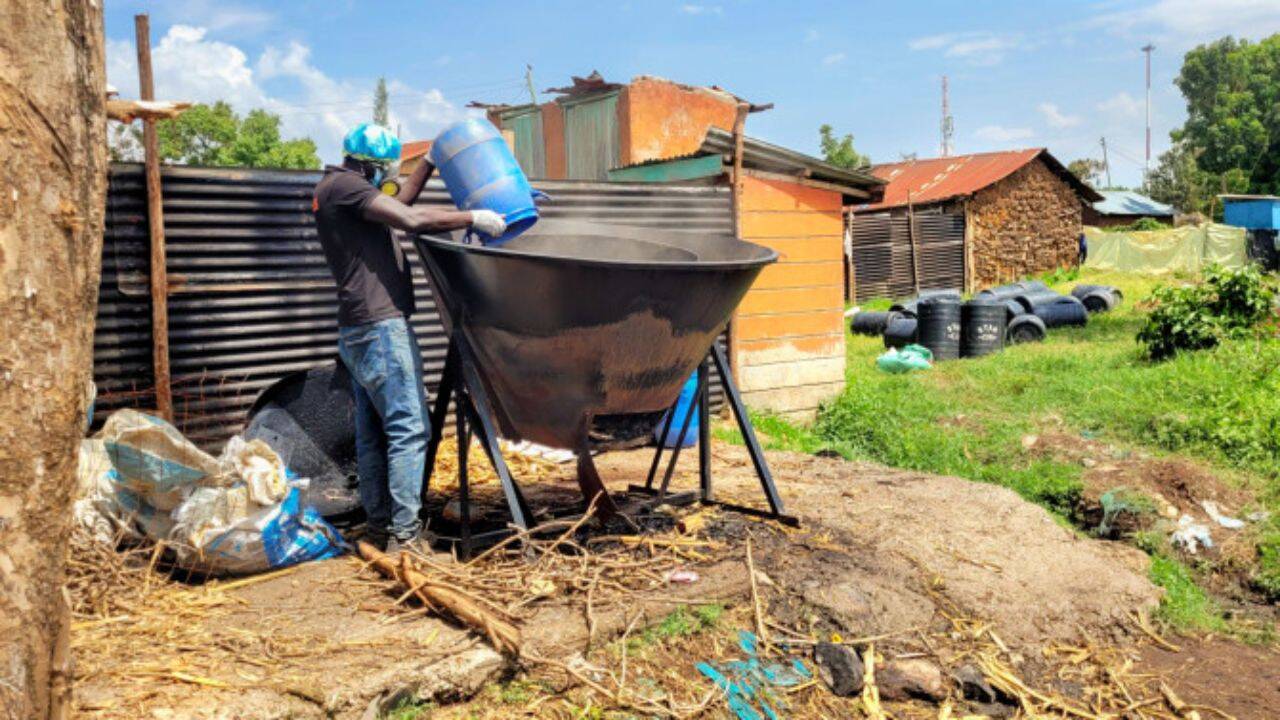
Steven “Governor” Onyango adding dried feces to the Kontiki kiln. Image Credit: Rebecca Nelson/Cornell Chronicle
What happens to the human waste before it reaches the soil
The waste does not go directly from toilets to farmland. The solid material is first dried and converted into biochar. The process used to do this is called pyrolysis, in which the material is heated at high temperatures. According to the Cornell report, this process also sterilises the faeces by destroying pathogens.The urine undergoes a separate treatment. It is sterilised and stabilised using lime or acid before being combined with the biochar. The resulting mixture can then be adjusted depending on what particular soils require.Instead of allowing nutrients to be lost through poor sanitation, the project seeks to recover them and put them back into agricultural production.
Importance of this waste-to-food cycle for farmers
Affordability is an important part of the project. The Cornell Chronicle reports that many young farmers in Kisumu cannot afford synthetic fertiliser and consequently grow crops without additional nutrients, even when their soils are already in poor condition.Odawa said the new product could give young farmers a more affordable option while helping them improve their profit margins and expand their farming activities. The project therefore links a sanitation problem with an agricultural challenge that affects farmers who have limited money to spend on inputs.Testing has also provided an early indication of how KIYA Gold performs. According to Cornell, researchers have compared the product with synthetic fertilisers and found that it increases plant growth as well as conventional fertilisers. Its biochar component also supplies a more durable form of carbon that can contribute to long-term soil health.The farmer network connected with KIYA currently includes about 1,000 farmers in the Kisumu area, while the team is also working with several farmer networks across multiple counties.
The project could also protect Lake Victoria
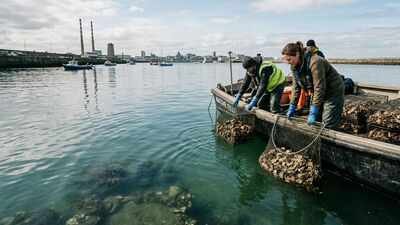
The agricultural benefits are closely connected to sanitation and the environment. In areas where sanitation facilities are inadequate, untreated human waste can reach the surrounding environment and eventually Lake Victoria. The Cornell Chronicle reports that this contributes to pollution, spreads disease and can kill fish.By collecting the waste before it reaches waterways, the project aims to keep both nutrients and pathogens out of the lake. Those nutrients can instead be recovered and used in farming.This creates a practical connection between the toilets used in informal settlements and the fields where food is grown. Rather than treating sanitation, agriculture and environmental protection as separate problems, the researchers are attempting to address them through the same system.
What still needs to be tested before KIYA Gold expands
The researchers say several questions remain before the fertiliser can be scaled up more widely. Cornell reports that treated wastewater and other recycled materials can raise concerns about substances such as pharmaceuticals, microplastics and PFAS.For KIYA Gold, Nelson’s main concern is the possible accumulation of heavy metals and salts. The high-temperature pyrolysis process can destroy pathogens and, according to the Cornell report, break down PFAS, but it cannot remove heavy metals and salts.The team plans to carry out formal chemical analyses to measure nutrients and contaminants in KIYA Gold. It also intends to improve the efficiency of the engineering process and seek government approval to move beyond the initial research distribution towards formal registration, franchising and marketing.As the Cornell College of Agriculture and Life Sciences reports, the resulting fertilizer is intended to improve soil health and food production while reducing pollution in both settlements and the aquatic environment.