
Cockroach Entry Points: Think your home is sealed? These hidden entry points could be letting cockroaches in every night |
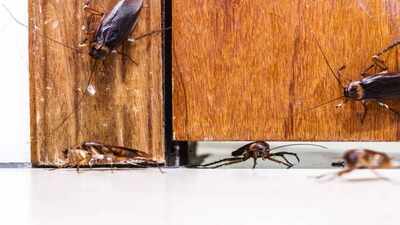
Cockroaches are one of the most resilient house pests who can easily squeeze into any tiny space in search of food, water, and places to live. Clean-looking houses may not even be aware of their vulnerability when it comes to allowing these pests inside. While most people would concentrate on getting rid of the pests once they see them inside the house, keeping them from coming in is the best way out. Knowledge of how they enter will be a big help for homeowners to seal them off and avoid infestations. Here are the seven entry points cockroaches frequently used to enter homes.
Gaps under doors
The easiest way for cockroaches to get into your house is the small gap underneath the doors. Installation of door sweeps or weatherstrips can help to reduce these gaps and save energy at the same time. You should check the garage doors and balcony doors, too, because they are often neglected.
Cracks around windows
Small cracks around windows can become hidden ways for cockroaches to enter the house. Due to the aging of sealants, the crack can appear and let insects enter. Regular checking of the state of windows and their fixing helps to block the access channel. The repair of the window screens and their proper fitting add one more line of defense against household pests.
Pipe openings under sinks
The gaps where plumbing pipes pass through walls beneath kitchen and bathroom sinks are often overlooked, but they can provide easy access for cockroaches. These spaces are usually dark, sheltered, and may also become damp if there are minor leaks. Sealing the openings around pipes and repairing leaking plumbing can help reduce potential entry points. It’s also a good idea to inspect under-sink cabinets regularly, as these hidden areas often go unnoticed until signs of pests begin to appear.
Floor drains and drainage pipes
Sometimes drainage systems can become the unexpected entrance route into the house, especially if the drains are dry or not well maintained. Cockroaches are able to get through sewer systems and exit through floor drains in the kitchen, the bathroom or the utility room. The maintenance of the drains, keeping water in the drain traps and installing the covers where appropriate, will discourage the pests from entering through these channels.
Cracks in walls and flooring
Hairline cracks in walls, floors, skirting boards, and grout between tiles can look insignificant but become a perfect place for pests to hide and enter the house. The cockroaches like narrow and dark places to hide during the day. Repairing of the visible cracks and filling of the damaged grout will make your premises more beautiful and safe from pests’ intrusion.
Cardboard boxes and grocery deliveries
Not all cockroaches can get into the house through openings; some can crawl there with products. Cardboard boxes, grocery cartons, and delivery packages can sometimes carry cockroaches or their egg cases, especially if they were stored in warehouses. Immediate unpacking of the parcels, recycling of unnecessary cardboard, and avoiding of the long-term storing of boxes inside the house will decrease the risk of their accidental entrance.
Vents and utility openings
Ventilation openings, exhaust openings, and cable and conduit openings can become hidden entry points if they are not properly sealed. Utility penetrations around air conditioners, internet cables, and plumbing installations can sometimes leave small openings which can be used by the insects. Installation of the mesh covers and sealing of the unused channels will provide better protection against the cockroaches while allowing ventilation where it is necessary.