Ariana Grande has spoken about anxiety before: Mental health practices that may support emotional well-being
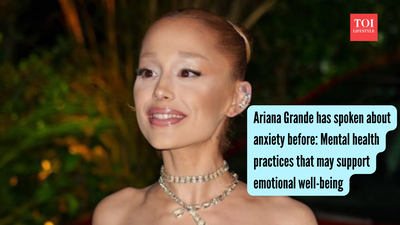
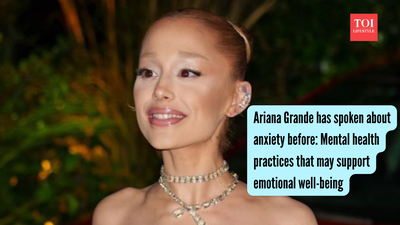
Ariana Grande recently announced that she would be taking a break from public-facing work once her Eternal Sunshine Tour concludes, amid the “endless, ongoing public scrutiny”.A representative for Grande told PEOPLE magazine that the singer will be “taking a step back from visibility after she completes the Eternal Sunshine Tour,” that also saw her withdraw from the upcoming West End revival of Sunday in the Park with George.The statement mentioned the constant public commentary, criticism, and speculation about her, especially about her body, weight, and health, as the reason behind the decision.“She looks forward to finishing the tour and ending it on a high note, both healthily and happily,” the statement noted, “and then taking a much-deserved break from public-facing work and appearances, which has led to endless, ongoing public scrutiny.”Grande’s first public comments since the announcement came Monday morning, ahead of the first of three consecutive shows at Chicago’s United Center, where she wrote along with a clip of herself performing, “See you tonight, my sweethearts!!! I cannot wait and love you so.”And this isn’t the first time Ariana has opened up about the toll public scrutiny takes on her. Around three years ago, she made a plea for people not to comment on her body, telling fans in a TikTok video that there were “many different ways to look healthy and beautiful”. She has also spoken openly over the years about living with anxiety, PTSD and depression, and about how therapy has helped her cope.As she steps back now for protecting her health and happiness, here are some daily practices that can help support emotional well-being.
Speak out loud what you feel
Grande has said before that she used to stay quiet about her anxiety because she assumed everyone felt the same way. But simply talking about an emotion, whether to a friend, journaling it, or talking it out to a therapist, can make it feel less overwhelming. This is known as “affect labelling” can help reduce the intensity of distress. Saying “I’m anxious” out loud is often the first real step toward managing it.
Taking professional help or therapy
Regular sessions with a mental health professional give people a way to understand recurring patterns rather than just reacting to them in the moment. Taking professional help works best when it’s consistent, not just reserved for crisis points. It helps to discuss what you are feeling, check and validate those feelings, as well as give a space to express what you feel.
Setting boundaries around public scrutiny
Part of Grande’s statement mentioned “endless, ongoing public scrutiny” as a reason for stepping back. For most people, this means limiting the exposure to criticism, comparison, or unsolicited opinions, including on social media. Muting, unfollowing, or simply logging off during vulnerable periods can be helpful during overwhelming situations. According to research published in the Journal of Medical Internet Research, this is not a red flag; it is just setting the right boundary for yourself. Protecting personal space from constant judgement can help lower stress and anxiety levels over time.
Practising self-compassion over self-criticism
Grande’s TikTok message reminded fans there are “many different ways to look healthy and beautiful,” and reminded people to be “gentler” with one another and themselves. Self-compassion research, by psychologist Kristin Neff, associates this kind of subtle self-talk with lower anxiety and greater resilience. It is important to treat yourself with the same kindness that you would offer a friend, especially during setbacks, this can help to soften the grip of anxious or self-critical thoughts.
Depending on a support system
Family and friends help you get through the hardest, most anxious stretches of vulnerability. Research published in the National Library of Medicine says when you’re anxious, isolating yourself usually makes things worse, while having people you trust can pull you out of your own head a bit. It doesn’t have to be a therapist or a big support group either. Sometimes it’s just one person you can be completely honest with, someone who reminds you things feel heavier than they actually are.