After helping turn a barren Dhanbad coal-belt hillock into forest, CISF is planting 1,000 trees and one lakh vetiver slips across six acres beside Delhi’s Yamuna to revive the degraded land
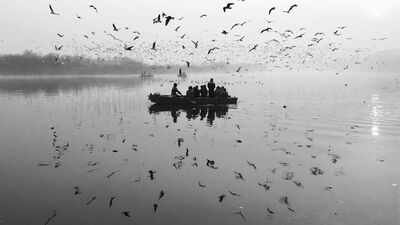
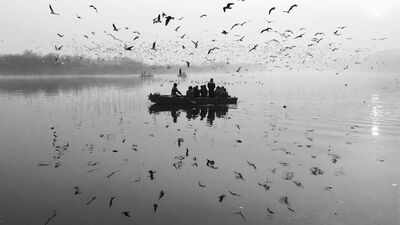
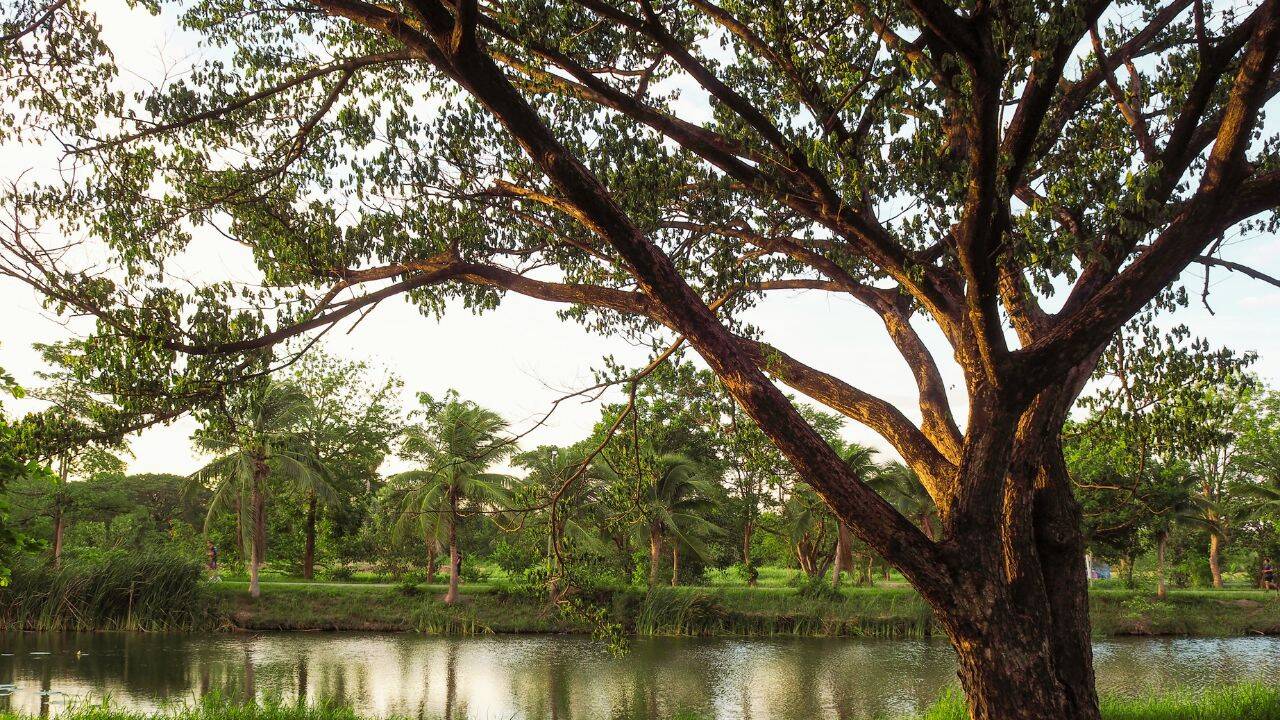
Delhi’s Yamuna is all set for a much-awaited green makeover. The Central Industrial Security Force (CISF) has started replicating a forest-reclamation experiment that was successfully carried out in the coal-mining belt of Dhanbad, Jharkhand. As per a recent report on the initiative, about 100 CISF personnel planted 1,000 fruit-bearing and medicinal trees and one lakh slips of vetiver grass at Ganga Vihar near Sarai Kale Khan in Delhi. This is a Delhi Development Authority (DDA) and the initiative fits into a much larger government effort to restore the Yamuna floodplain through vegetation, wetlands and soil-moisture conservation.A much-needed green experiment
Yamuna Delhi (Canva)
The brilliant idea originated in Dhanbad, which is among India’s best-known coal-mining regions. It is a fact that mining can leave behind severely disturbed landscapes, including barren overburden areas and degraded soil. The CISF personnel here deployed with Bharat Coking Coal Limited (BCCL) reportedly helped reclaim a barren hillock to transform it into a forested land. That experience has now inspired the force to try a similar ecological intervention in Delhi.The similar concept has inspired them to start an experiment in Delhi. Instead of treating degraded land merely as empty space, vegetation can be used as a tool to rebuild the landscape. There is also wider official evidence that ecological restoration is being used in mining areas.The Ministry of Coal has reported extensive plantation by coal and lignite public-sector companies, with more than 235 lakh saplings planted over 10,784 hectares during FY2019-20 to FY2023-24. The plantation approach includes fruit-bearing, medicinal, forestry and other locally suitable species.Why vetiver grass is important on the Yamuna
yamuna grass (Canva)
The one lakh vetiver grass slips is one of the main aspects of this project. Vetiver is a perennial grass which is known for its dense and deep root system. It is used in controlling erosion. The Ministry of Environment, Forest and Climate Change has documented vetiver among vegetative materials evaluated for controlling runoff and soil loss. Vegetative barriers can slow the movement of surface water.And that’s why it is so important.The CISF project is not just about making a barren patch look greener. If the planting survives and establishes properly, vegetation could help hold vulnerable soil together while creating additional habitat.Delhi has been planting its Yamuna floodplain for years
Grass (Canva)
According to the Delhi Forest Department, they have planted 5,04,536 plants across 641.964 hectares of the Yamuna floodplains. The department describes these plants as potential bio-remedial agents and notes their role in improving degraded floodplain areas.Before this, the government records show plantations at locations including Garhi Mandu, Sonia Vihar and Chauhan Patti. Together, these areas covered hundreds of hectares of land on the eastern side of the Yamuna.Delhi’s official Green Action Plan includes wetland creation, native vegetation for bank stabilisation, grassland development and measures such as contour trenches, bunds, check dams and gully plugs to conserve soil and moisture.Why the Yamuna floodplain is so important
Yamuna (Canva)
The Yamuna floodplain is more than a strip of land near the river. It functions as part of the river’s wider ecological system and is naturally influenced by flooding, groundwater processes, vegetation and sediment movement. This is why government planning documents have repeatedly identified floodplain management, afforestation and regulation of development in flood-prone areas.Restoring vegetation therefore has potential benefits. A healthier floodplain can provide space for vegetation and wildlife, reduce soil erosion and help retain ecological functions that are weakened when natural landscapes are heavily disturbed.The choice of trees
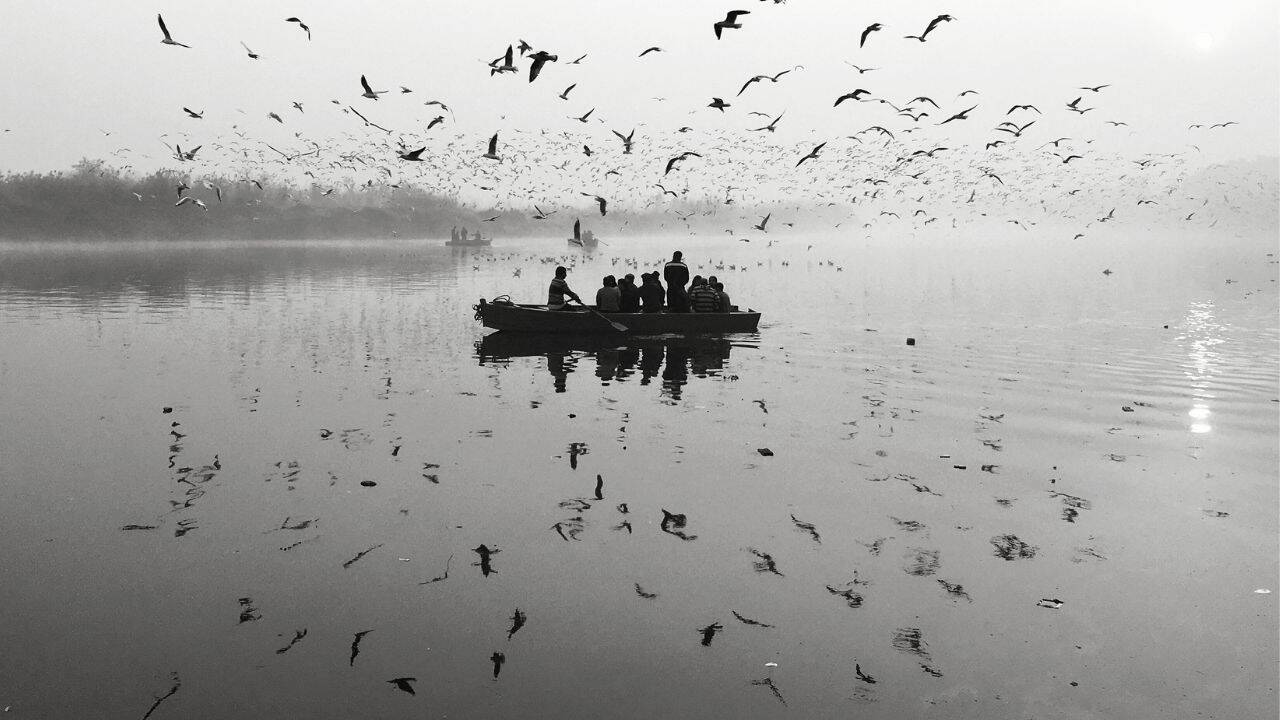
Yamuna (Canva)
The choice of fruit-bearing and medicinal trees is also important. Government plantation programmes increasingly use a mix of species rather than relying on a single type of tree. Official plantation guidelines and programmes include species such as jamun, imli, bel, neem, karanj, amla and arjun among fruit-bearing and medicinal categories, depending on the ecological setting.Main challenge
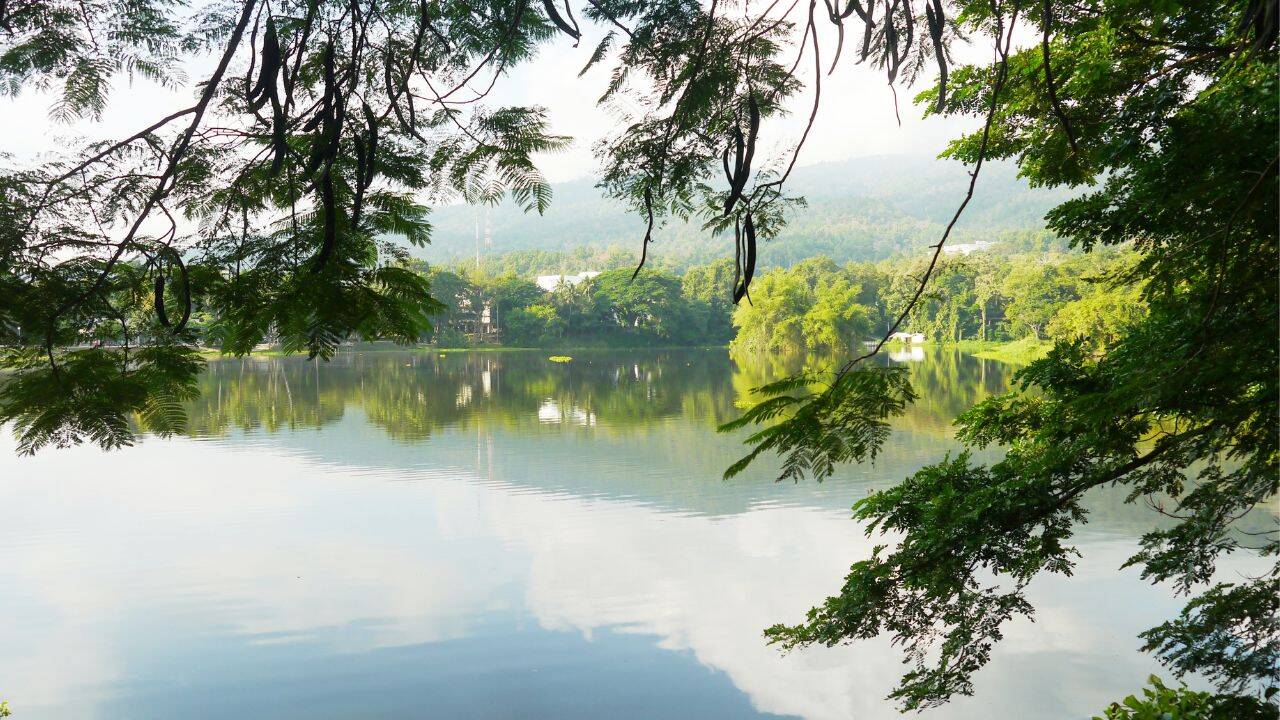
Delhi Yamuna (Canva)
A plantation can look impressive immediately after thousands of saplings are put into the ground, but its ecological value depends on whether the plants survive, mature and become part of a functioning landscape. The Delhi Forest Department itself emphasises watering, weeding, manure application and monitoring of sapling health under conventional plantation programmes.If the Dhanbad experiment can be successfully adapted to the very different conditions of Delhi’s riverbank, the six-acre site could become a small but visible example of how degraded urban land can be restored using vegetation rather than concrete.And perhaps that is the most interesting part of the story: a lesson born in India’s coal country is now being tested beside one of Delhi’s most troubled rivers.