5 natural ways to keep lizards out of your home
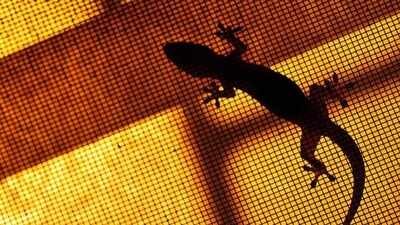
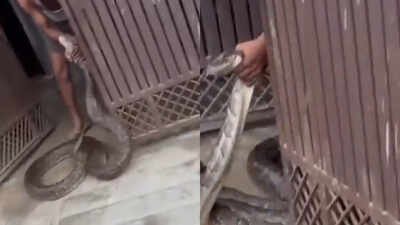
That quick, startled scramble when a lizard darts across the wall right as you walk into a room is a genuinely universal Indian household experience, and for a lot of people, it’s enough to make a cup of tea in the kitchen feel like a small ordeal. House lizards are almost always harmless, and they actually earn their keep by feeding on mosquitoes, flies, and other household insects, but that doesn’t make most of us any less eager to keep them out of sight. The good news is you don’t need chemical sprays or a pest control call to manage this. A handful of natural, non-toxic ingredients can make your home genuinely unappealing to lizards without harming them. Here are five worth trying.
Eggshells at entry points
This is one of the oldest tricks in the book, and it’s rooted in a fairly clever bit of biology. Lizards are believed to associate the smell of eggshells with the presence of predators, since certain birds and reptiles that eat lizards also eat eggs, and that scent is enough to make them steer clear. Place a few clean, dry eggshells near windowsills, door frames, and any other spot you’ve noticed lizard activity. It’s completely non-toxic, costs nothing since you’re likely throwing shells away anyway, and needs replacing every few days as the smell fades.
Garlic and onion spray
Lizards navigate largely by smell, and both garlic and onion carry exactly the kind of pungent, sulphurous odour they tend to avoid. Crush a few cloves of garlic or a chopped onion, steep it in water for a few hours, strain the mixture, and spray it around windows, door frames, and other likely entry points. It’s a genuinely low-cost option using ingredients most kitchens already have, and reapplying it every few days keeps the scent strong enough to remain an effective deterrent through the week.
Black pepper or cayenne pepper spray
The sharp, irritating quality of pepper that makes us sneeze is exactly what makes it effective against lizards too. Mix black pepper or cayenne pepper powder with water, let it sit for a bit so the mixture strengthens, then spray it along corners, cabinet edges, and entry points where lizards tend to appear. The strong, spicy scent irritates their sensory system enough to keep them away without causing any real harm, making it one of the gentler yet genuinely effective options on this list.
Peppermint and eucalyptus
Few smells are as universally unappealing to lizards as strong menthol and eucalyptus scents, which is why both peppermint and eucalyptus oil show up so often in natural pest-deterrent advice. Growing a small peppermint plant in a pot near a window, or dabbing a few drops of peppermint or eucalyptus essential oil around entry points and corners, creates a scent barrier lizards actively avoid. It has the added bonus of leaving your home smelling genuinely pleasant, which is more than can be said for most of the other methods on this list.
Peacock feathers
This one leans more into long-standing Indian household tradition than modern science, but it remains a popular, widely used method nonetheless. Lizards are believed to instinctively associate peacock feathers with a natural predator, since peacocks are known to eat small reptiles, and simply placing a few feathers near windows, doorways, or shelves is thought to keep them from settling in. Beyond any deterrent effect, peacock feathers are also considered auspicious in many Indian households, making this one of the few pest remedies that doubles as home décor.
Disclaimer:
This article is intended for general informational purposes only. House lizards are generally harmless and help control household insects, so complete elimination isn’t always necessary or advisable. If you have a severe infestation, or if you’re dealing with a species you’re unsure is safe, consult a professional pest control service.