
Why the first two years of parenting may decide a child’s future health
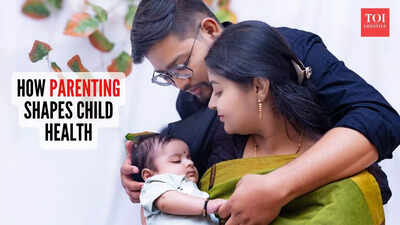
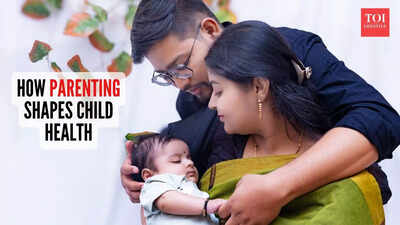
Parenting is discussed in terms of emotions, habits, and values. But a 2025 study published by the American Psychological Association suggests something deeper. Early parenting may shape a child’s physical health in measurable ways, years later. The study looks closely at how parents interact with each other and with their child during the first two years of life. It then connects those moments to health markers seen when the child is about seven years old. And the findings are much more important to discuss. Parenting leaves traces not just on the mind, but also on the body.
What this study set out to understand
The researchers wanted to know whether early parenting patterns predict later cardiometabolic health in children. Cardiometabolic health includes factors linked to heart disease, diabetes, and inflammation. The study followed 292 families, each with a mother, father, and child. These families were part of the Family Foundations trial, a programme designed to strengthen coparenting among first-time parents.
Parenting behaviour was observed at two stages: infancy at 10 months and toddlerhood at 24 months. Later, when the children were around 7 years old, researchers measured 4 biological markers. These were C-reactive protein, interleukin-6, total cholesterol, and glycated haemoglobin. Together, these markers give clues about inflammation and long-term metabolic health.
Why fathers’ early involvement stood out
One of the most striking findings focused on fathers. Fathers who showed sensitive engagement with their babies at 10 months were less likely to show competitive or withdrawn behaviour in coparenting by 24 months. This matters, and the reason is that, competitive-withdrawn coparenting refers to patterns where parents undermine each other or emotionally step back instead of working as a team.Children in families in which fathers avoided this pattern showed lower levels of C-reactive protein and HbA1c at age 7. It is a well-established fact that these two markers are linked to inflammation and blood sugar regulation. Lower levels suggest a healthier long-term outlook. The study did not find the same pattern when looking at mothers, which makes the father-child dynamic especially important here.
How coparenting quietly affects a child’s body
Coparenting is often treated as a relationship issue between adults. This study shows it may also be a health issue for children. When parents compete, withdraw, or fail to support each other, stress levels within the home may rise. Over time, chronic stress can influence how a child’s body manages inflammation and metabolism.The study found that fathers’ coparenting behaviour at 24 months explained the link between early father engagement and later child health. In simple terms, early sensitivity shaped better teamwork later, and that teamwork shaped healthier outcomes for the child. This pathway highlights how daily interactions can ripple forward for years.
What this means for everyday parenting
The results move the focus to presence rather than perfection. Observing a baby’s cues, reacting calmly, and remaining emotionally available are all components of sensitive interaction. Fathers’ parenting roles may be shaped by these experiences, particularly during the first year.
Why this research matters for the future
This study adds to growing evidence that early life experiences shape long-term health. It also expands the conversation around prevention. Reducing future health risks may not begin with diet charts or exercise plans. It may begin with how parents relate to each other and their child during the earliest months.For healthcare professionals and policymakers, the findings support investing in programmes that strengthen coparenting and encourage positive paternal involvement. For families, the message is gentle but clear. Early emotional care can become a form of quiet protection for a child’s future health.Disclaimer: This article is for informational purposes only and is based on findings from a single scientific study. It does not provide medical or parenting advice. Health outcomes are influenced by many factors, and individual experiences may vary.