Trees don’t grow from soil, they’re mostly made from air: Scientists reveal |
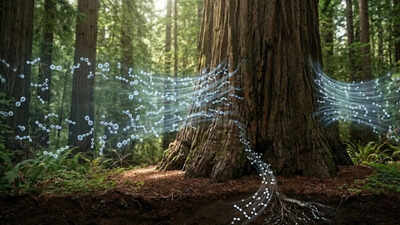
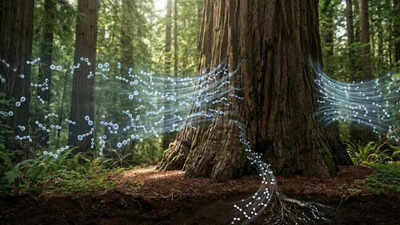
A profound shift in botanical research reveals that the massive physical structures of our forests are not ‘built’ from the ground up as previously believed. The physical structure of trees is still stable and has its foundational base in the earth; however, research done by NASA shows there is 95 per cent to 98 per cent of total dry weight of trees made from carbon & oxygen directly from the atmosphere, allowing us to further confirm how through the process of photosynthesis trees are acting as complex filters of the atmosphere to create solid polymeric structures (like wood) by reconfiguring carbon dioxide gas into these rigid solid structures/materials. Based on this biological process, it would appear that trees are really nothing more than ‘solidified air’, and that, while some minerals are needed for a limited number of minerals, their significant structural development is from atmospheric sources rather than underground sources.
Discovery finds that trees actually grow from the air, not the soil
The major ‘ingredients’ in a tree come from both cellulose and lignin, which are composed of chains of carbon atoms. Reports from the USDA Forest Service indicate that a tree that has dried out is approximately 50 per cent by weight, made up of carbon. This mass is not taken in directly through the roots of the tree; the mass is ‘captured’ from the atmosphere. The leaves capture CO2 (carbon dioxide) from the air using light and energy from the sun to cleave the carbon-oxygen bonds, releasing oxygen into the atmosphere while fixing the carbon into organic molecules. NASA Earthdata has published research that explains how trees can convert the mass of carbon from the atmosphere into a giant tree without significantly removing mass from the soil.
How trace elements fuel the ‘air-to-wood’ conversion
Although the majority of mass in a tree comes from the air, the soil itself serves only as a catalyst for the growth of a tree. According to research conducted using the NSF (National Science Foundation) / NEON Program, the minerals transferred to trees from soil (i.e., nitrogen, phosphorus, and potassium) comprise less than 2 per cent of a tree’s total dry mass. These minerals provide the molecular machinery required to build the structure.They also provide the chemicals necessary for enzymes and chemical signals to process the gases in the air that a tree ‘consumes.’ Without receiving essential trace elements and chemicals from the soil, the biological systems of the tree would not function; however, very little of these elements contributes to the total volume of wood that comprises the tree.
How a single tree physically stores a year’s worth of carbon dioxide
The conversion of gas to solid wood is one of nature’s most efficient engineering feats. According to the US Department of Agriculture, a single mature tree can absorb more than 48 pounds of carbon dioxide in one year, turning that gas into permanent wood fiber The Journal of Biological Chemistry contains a detailed explanation of how trees photosynthesise: the tree produces glucose from carbon dioxide during the day, and at night it chemically joins the glucose molecules to create large polysaccharide chains. When the tree has reached the end of its life cycle, it provides a tangible representation of how much carbon dioxide it has removed from the air because the tree’s biomass was the storage location, while the soil served as a structural anchor for the tree’s growth.