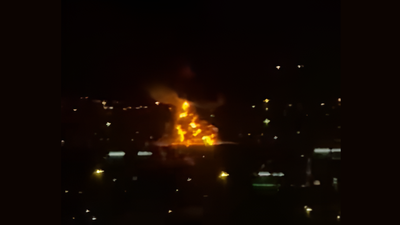
Iran calls Israeli bombing of fuel depots ‘ecocide’; Trump warns Nato over war fallout
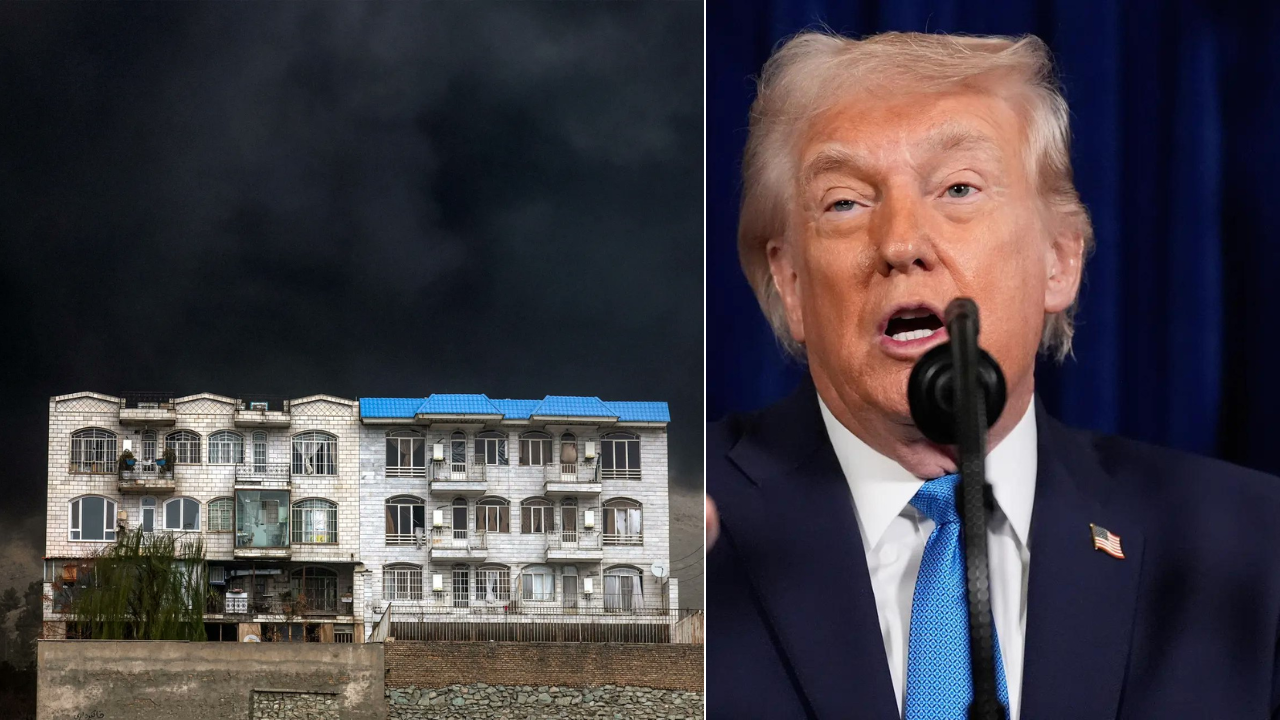
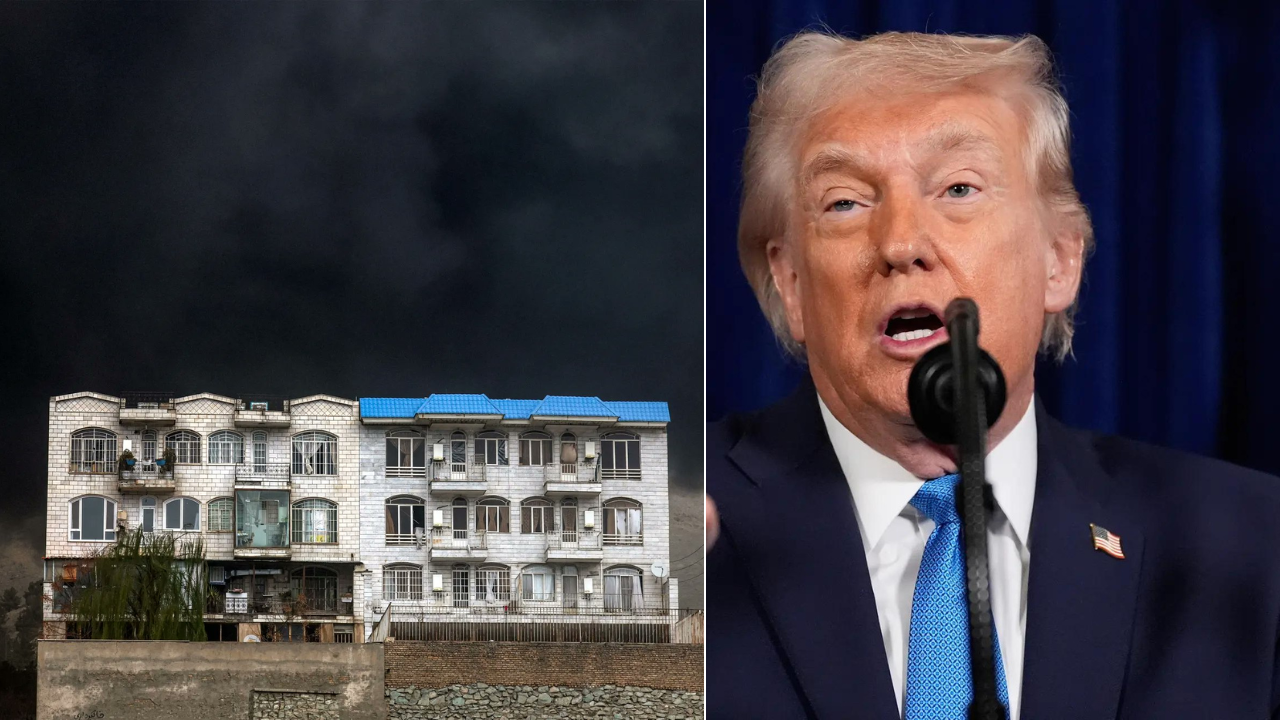
The opening phase of the war saw extensive attacks on Iran’s air defence systems, missile launch facilities and military installations. Iranian authorities reported heavy damage across several cities, while the strikes also resulted in the killing of the country’s Supreme Leader Ali Khamenei. Following his death, Iran appointed his son Mojtaba Khamenei as the new Supreme Leader, signalling a continuation of Tehran’s hardline response to the attacks.
Iran retaliated by launching waves of ballistic missiles and drones targeting Israeli cities and US military facilities across the region. Several Gulf countries hosting American bases soon found themselves drawn into the conflict as missiles and drones crossed their airspace or targeted infrastructure within their territory. Nations including the United Arab Emirates, Saudi Arabia, Bahrain and Kuwait reported interceptions of incoming drones and missile threats.
The conflict also expanded beyond the Gulf when the Lebanese militant group Hezbollah opened another front by launching rockets into northern Israel. Israeli forces responded with airstrikes targeting Hezbollah positions in Lebanon, adding another theatre to an already complex war.
A major strategic flashpoint in the crisis has been the Strait of Hormuz, a narrow waterway through which a large share of the world’s oil supply passes. The conflict has disrupted shipping through the corridor, triggering sharp volatility in global energy markets and raising fears of a wider economic shock.
Amid the continuing hostilities, US President Donald Trump has said Washington is in discussions with Tehran but believes Iran is not yet ready to reach a deal. He has also claimed that American and Israeli operations have severely weakened Iran’s military capabilities, including its missile stockpiles and drone production capacity.
Meanwhile, Iran’s foreign minister Seyed Abbas Araghchi said nuclear material at Iranian facilities is currently buried under rubble following attacks, adding that any potential recovery would take place only under supervision from the International Atomic Energy Agency.
With missile exchanges continuing, regional states increasingly affected and global markets reacting to the instability, the conflict has raised serious concerns about a prolonged war and its implications for international security and energy supplies.