
Gurugram man with rare gastrointestinal stromal tumor, dangerously low BP underwent successful robotic surgery |
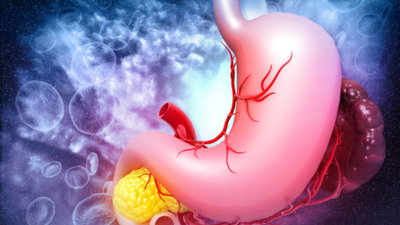
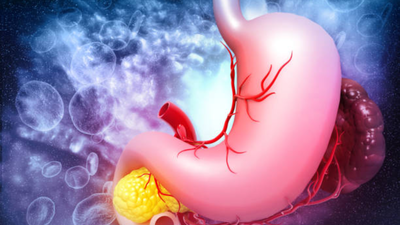
Medical emergencies don’t usually come with much warning. One moment everything feels manageable, and the next, the body starts giving serious signals that something is very wrong. This case began that way. A young man from Gurugram arrived at the emergency department feeling weak and dizzy, passing black stools, and struggling with a sudden drop in blood pressure. What looked like severe weakness turned out to be a life-threatening internal bleed, Dr. Vinay Samuel Gaikwad , Director Surgical Oncology, Fortis Hospital Manesar shared. His hemoglobin levels had fallen dangerously low, and his blood pressure was at a point where even a short delay could have been fatal. His blood pressure was dangerously low at 80/40.The cause was a rare stomach tumor called a gastrointestinal stromal tumor, or GIST. These tumors aren’t common, and when they bleed, they can do so quietly and aggressively. By the time symptoms become obvious, the situation is often critical. In this case, the patient was unstable and needed immediate intervention, not prolonged tests or conservative treatment.This case study looks at how advanced surgical technology changed the narrative around a medical emergency.
Partial Robotic Gastrectomy
Procedure:
- Robotic access: The surgeon makes four to five small incisions (around 1-2 cm) to insert a high-definition camera and wristed robotic instruments.
- Precision resection: Sitting at a console, the surgeon directs the robot to separate the tumor and the affected part of the stomach from surrounding organs like the liver and pancreas.
- Stapling and connection: A specialized stapling device or robotic sutures are used to seal the stomach and reconnect it to the digestive tract.
- Advantages: Because the robot translates the surgeon’s movements with extreme precision and provides a 3D view, it allows for “organ-preserving” surgery, removing only the tumor with a small margin of healthy tissue
- The procedure: Using the
Da Vinci Xi robotic system , surgeons performed a high-precision resection of the tumor in the stomach. Robotic surgery offers superior visualization and dexterity, which is crucial when operating on a bleeding tumor in a hemodynamically unstable patient. - Outcome: The impact was instantaneous. The internal bleeding stopped the moment the tumor was resected. By the following morning, the patient’s vital signs had stabilized without the need for further emergency intervention. He began eating on day two and walked out of the hospital on day three with a normal heart rate and blood pressure. For this young man, robotic technology was the difference between a fatal emergency and a three-day hospital stay.