
From kitchen to bedroom: Harmful chemicals, toxins present in homes and how to easily replace them
While we build homes for our comfort and convenience, we often tend to overlook an important issue which is the presence of everyday materials and products which may expose people to harmful chemicals and toxins. We, knowingly or unknowingly, are surrounded by harmful products, be it in the kitchen or the bedroom. These are common household items which look harmless but can contribute to long-term exposure to toxins. It is important to identify such products, eliminate them from our house and replace them with healthier alternatives.In Kitchen
Canva
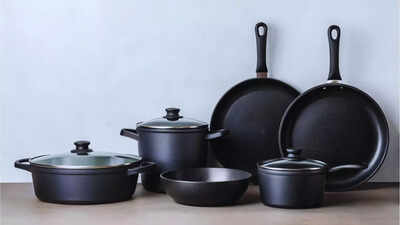
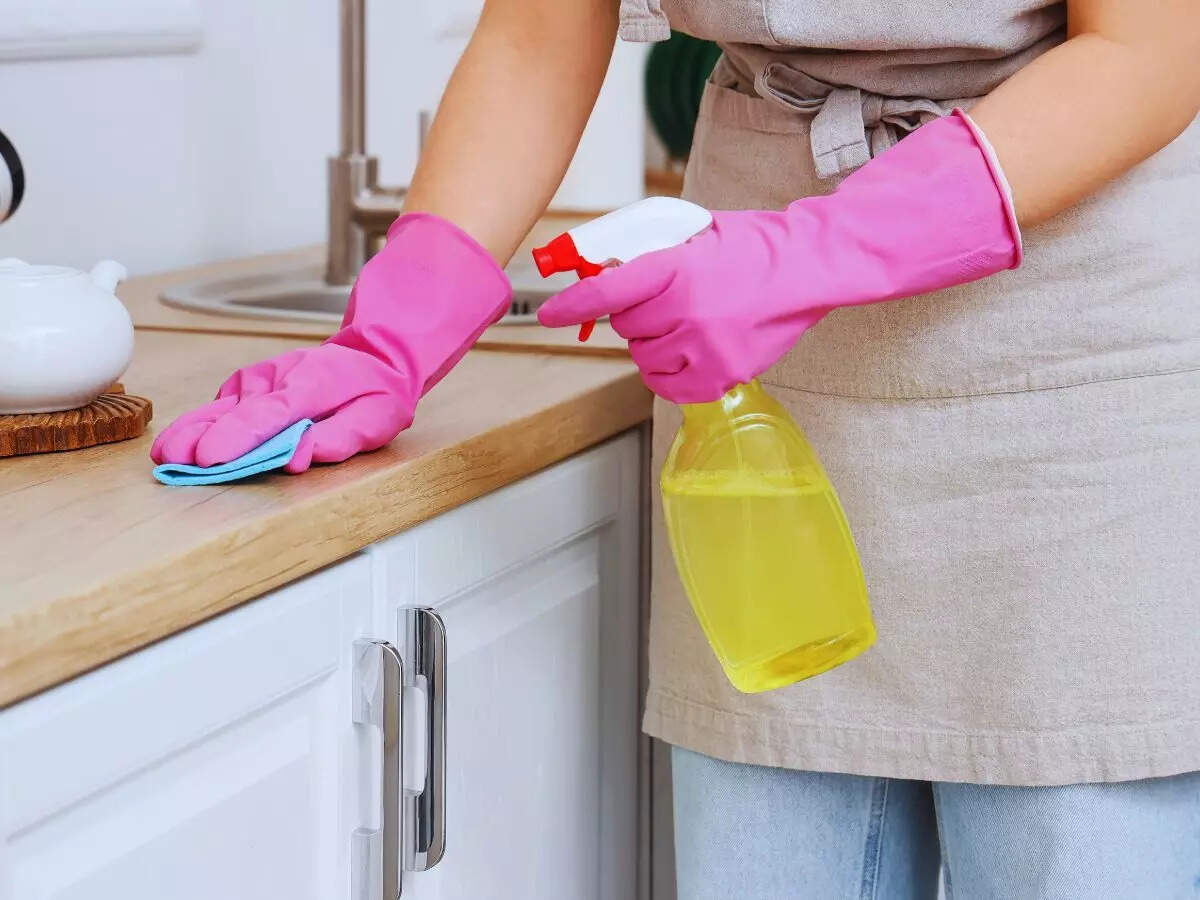
A kitchen is the heart of a home. What we bring inside our kitchen, determines our health and future. Products such as non-stick cookware, particularly older, scrubbed or damaged ones, are extremely harmful as these may release chemicals when overheated. While modern coatings are regulated, improper use can still pose concerns. Some other toxic products in your kitchen include:Plastic chopping boardsPlastic containersChemical detergentsIn Bathroom
Canva
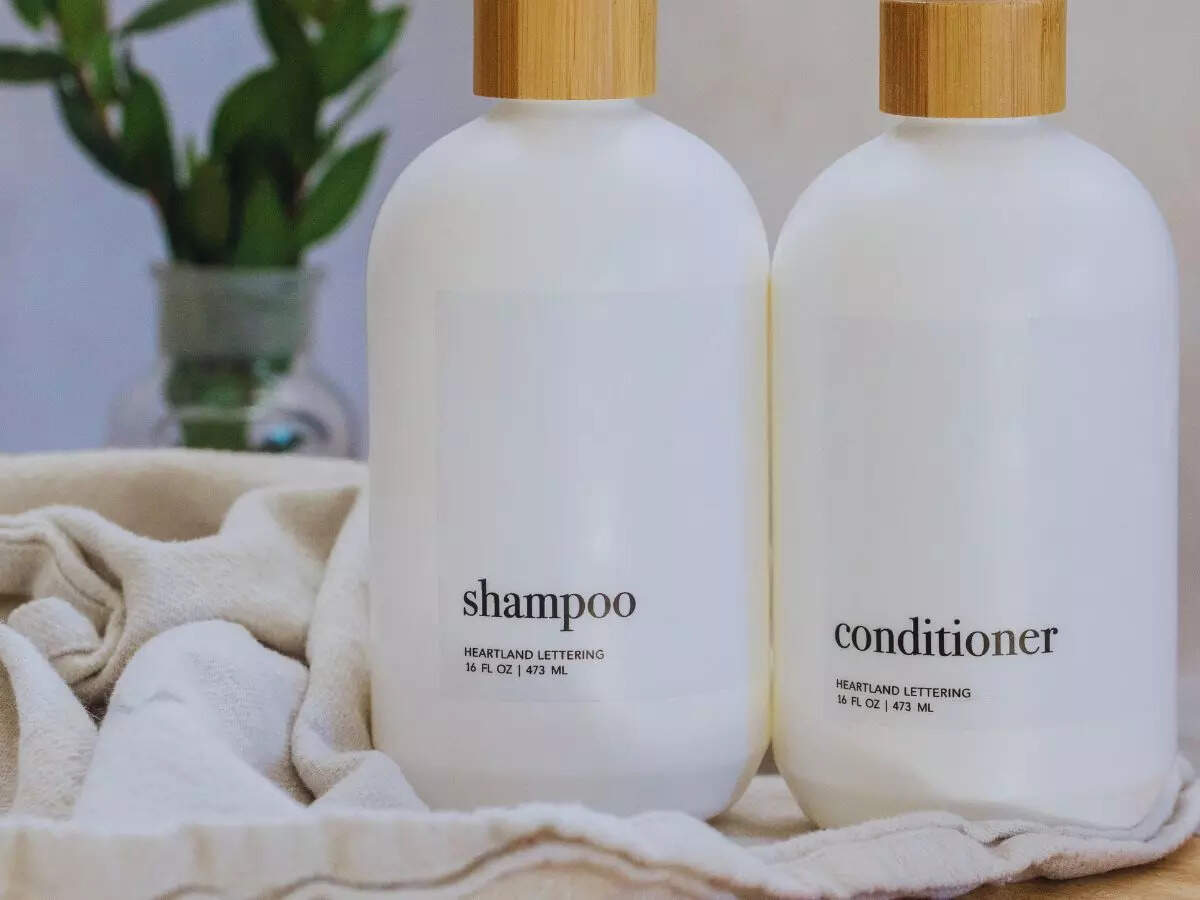
The bathroom is another personal space where products directly come in contact with the body. There are several personal care items, such as soaps, shampoos and cosmetics which comprise artificial fragrances and preservatives which are toxic in the long term. Some common toxic products in your bathroom include:ToothpasteAntiperspirantsHair dyes Plastic brushes Polyester towels In Bedroom

canva
While we keep our bedrooms clean all the time, yet many products we bring inside the bedroom can be harmful. Synthetic bedding and polyester sheets can affect breathability. Artificial air fresheners are full of chemicals which can contribute volatile organic compounds to indoor air. Certain electronic devices, charging overnight, Wi-Fi signals, and creating overall electromagnetic exposure are often debated issues. Common household materials

Canva
In addition to these, there are certain other indoor toxins as well such as plastic items, synthetic fragrances, seed oils, and heavily processed textiles which are also considered toxic. However, it is crucial to note that “toxic” does not always mean immediately dangerous. In many cases, the concern lies in long-time, low-level exposure from multiple sources. Regulatory bodies assess products individually.So what are the safer alternatives

Canva
Creating a healthier home does not require extreme or costly changes. All you need is simple substitutes. These can significantly reduce overall chemical damage. Stainless steel or cast-iron cookware, wooden or glass food storage, and filtered drinking water are simple and safe alternatives.For personal care, switch to fragrance-free and chemical-free products. Keep your space naturally ventilated all the time. The goal is not perfection but awareness. By understanding the issue and the problems caused by them, you can easily make better choices. So, it is important to pay attention to what we are surrounded by in our everyday life to create living spaces that truly support long-term health.