“Feeling safe isn’t the same as being safe”: Treveller spent 13 days in Afghanistan and shows a never seen before image of the country |
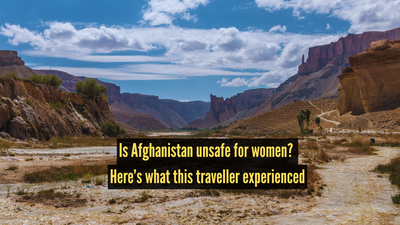
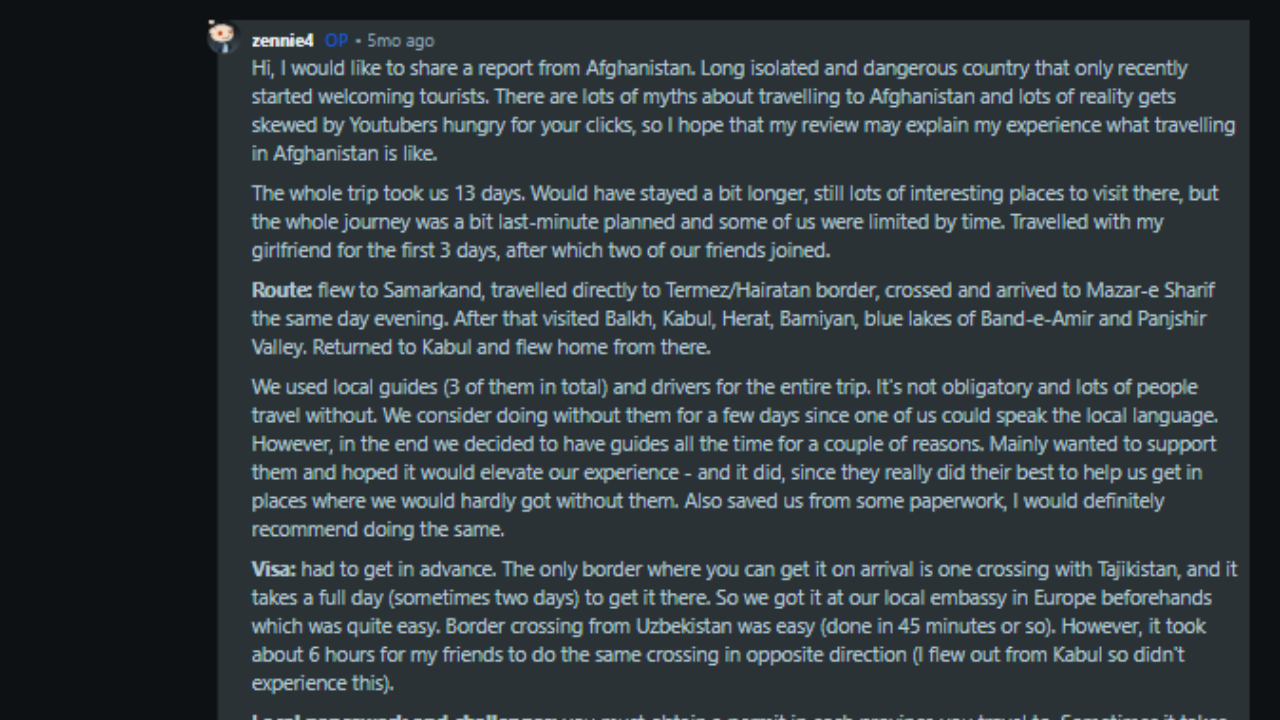
Afghanistan is often described online in extremes, either as an untouchable danger zone or as a place that is made to look deceptively safe through carefully edited travel videos. Well, we came across a recent Reddit post that cuts through both narratives.In a detailed post, the traveller (zennie4) shared what it was actually like to spend 13 days moving across Afghanistan, travelling through cities, historic sites, and remote valleys, while crossing checkpoints, permits, and the daily realities of Taliban-controlled regions.He shares, “There are lots of myths about travelling to Afghanistan.” He begins by calling out what they see as a distorted online portrayal of the country. According to him, much of what people believe is shaped by click-driven content rather than lived experience.
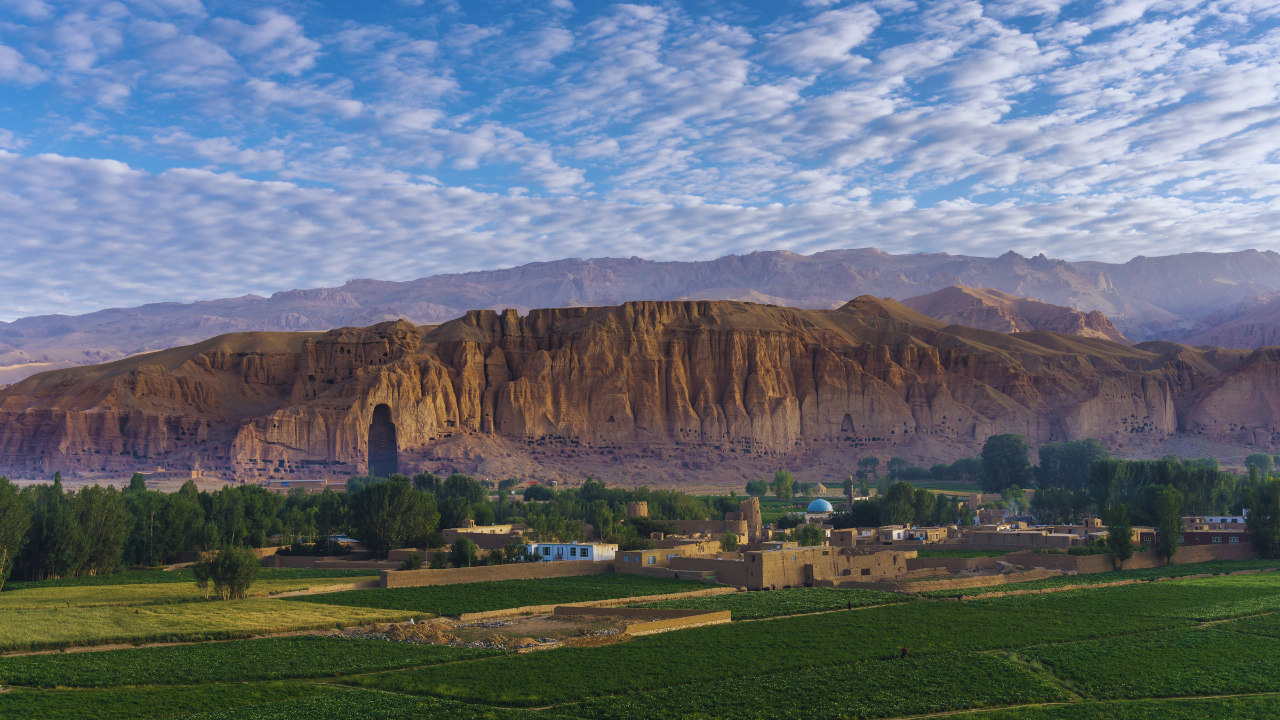
He was there with his girlfriend, and was later joined by two of their friends. Their journey began in Samarkand, crossing into Afghanistan from Uzbekistan at the Termez–Hairatan border. They visited Mazar-e Sharif, Balkh, Kabul, Herat, Bamiyan, Band-e-Amir’s blue lakes, and the Panjshir Valley, before flying out from Kabul.Travelling with guides “changed everything.” While it’s possible to travel independently, the Redditor chose to hire local guides and drivers throughout the trip. He says, “we decided to have guides all the time for a couple of reasons. Mainly wanted to support them and hoped it would elevate our experience – and it did, since they really did their best to help us get in places where we would hardly got without them. Also saved us from some paperwork, I would definitely recommend doing the same.” Read more: Guess which city: It has an airport runway crossing a public road
Checkpoints, paperwork, and unexpected visits
One of the most eye-opening aspects of the account is the sheer amount of paperwork involved. Permits were required for every province and checked repeatedly, sometimes at hotels, sometimes after locals alerted authorities to the presence of foreigners.
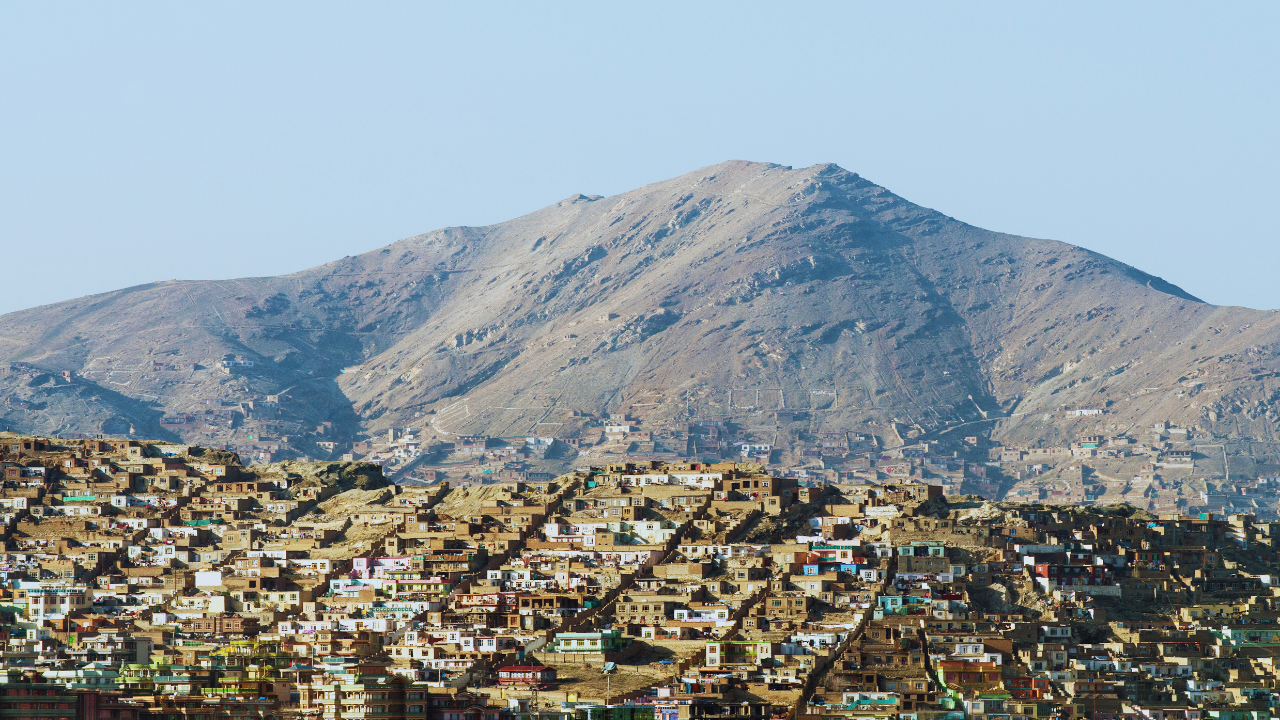
In one instance, Taliban officials reportedly entered their hotel room at night for a document check.Most checkpoints were quick. Others weren’t. The Panjshir Valley, in particular, stood out as tense and uncomfortable. At one checkpoint, the group was held for over 30 minutes simply because officials struggled to find someone literate enough to register them.
“Feeling safe isn’t the same as being safe”
The Redditor is blunt about security. While the situation has stabilised since 2021, Afghanistan remains a place where things can unravel quickly.They note the absence of embassies, the difficulty of resolving problems like stolen passports, and the constant need for alertness. Some areas felt fine. Others didn’t. Panjshir again topped the list of places where discomfort lingered. Read more: This Karnataka village found buried gold during construction—but it’s not a treasure. Here’s why
Taliban encounters
Another myth that the post tries to dismantle is the idea of “friendly Taliban” often portrayed online. According to the Redditor, some were calm and curious. Others were openly hostile. Either way, they weren’t to be mistaken for friends. “You need to be on good terms with them,” the traveller writes, “but they are not your friends.”
Women travellers and online assumptions
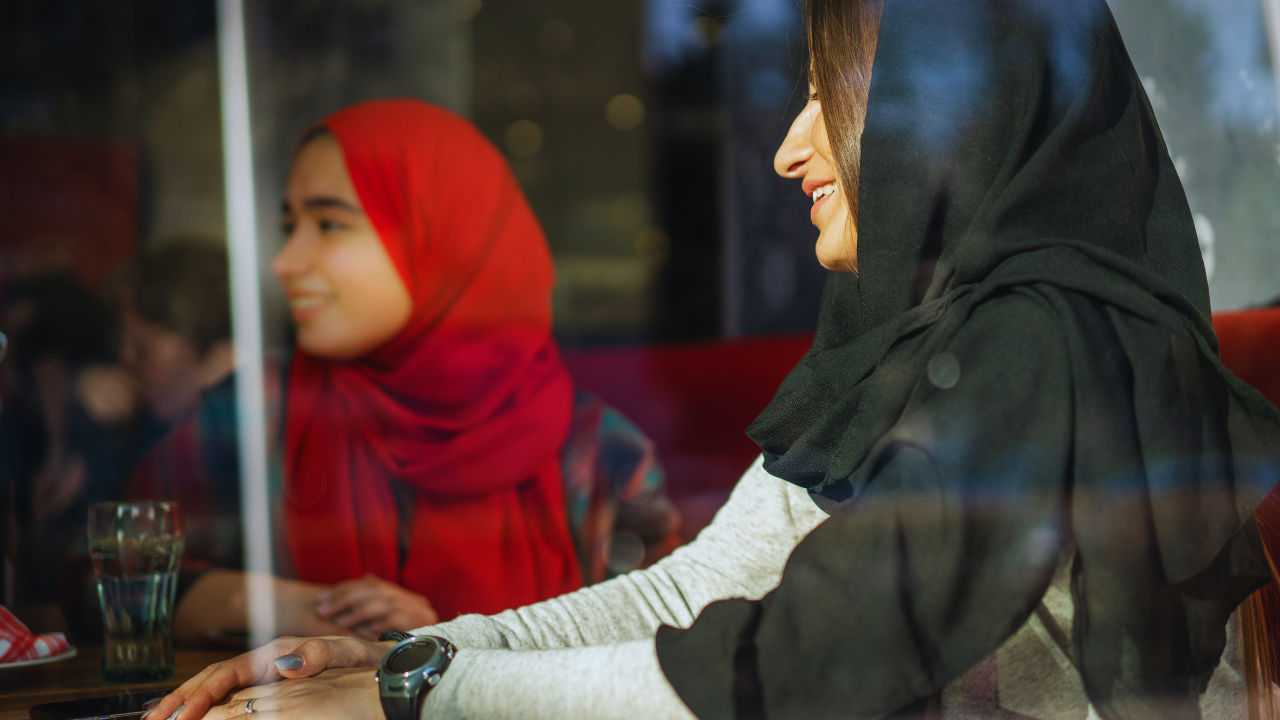
After the post gained traction, comments quickly assumed the traveller must be male. In response, the Redditor clarified that he travelled there with his girlfriend and had relied heavily on advice from women who had visited weeks earlier.She attracted attention, but nothing that escalated beyond stares. Photos rarely show women, they add, because photographing women is prohibited, and not because they are absent. Also, the post makes no attempt to downplay the reality for Afghan women. He said his conversations with locals revealed deep concern over healthcare access, education bans, and shrinking freedoms.“The country is beautiful, but the people are suffering.” He adds, “Foreign companies have left the country, basically anyone who had money did. Young people are leaving if they manage to (which is difficult). Our driver in Kabul was a programmer, but there are no programming jobs for him now. One of our guides was a 19-year old woman (we were interested in hearing a woman’s point of view…). She is now worried about medical care, since women are not allowed to go visit male doctors and women are not allowed to continue their education beyond elementary school. So the whole experience is… very sad and I feel bad for the people. And I am glad I was able to at least support a few of them.”
Would they go back?
Maybe—but not soon.There are places the Redditor still wants to see, including Nuristan and the Wakhan Corridor. But for now, the experience left them more sad than inspired.This post tries to show a real picture of Afghanistan, which is neither what YouTube sells nor what headlines freeze it into. It’s complicated, controlled, breathtaking, and deeply broken, and understanding it requires listening to voices willing to sit with that discomfort.