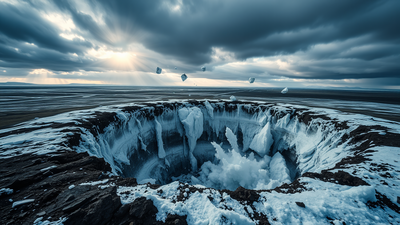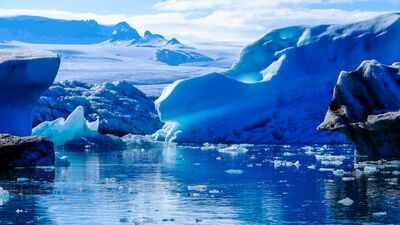
Antarctica froze 25 million years before the Arctic, and scientists now think the answer was hidden beneath the continent |

For a long time, the story seemed straightforward. As atmospheric carbon dioxide levels fell and the planet cooled, large ice sheets began spreading across the polar regions. Yet there was an awkward detail that never quite fitted. Antarctica became locked beneath vast quantities of ice around 34 million years ago, while the Arctic remained largely…
Read More

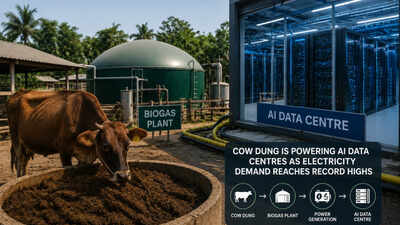
How cow dung is helping power AI data centres as electricity demand reaches record highs |

Artificial intelligence has created an unexpected problem. Training and running increasingly sophisticated AI models requires enormous computing power, and the data centres housing those systems are consuming electricity at an unprecedented rate. As grids struggle to keep up, technology companies and energy developers are searching for reliable power sources beyond conventional renewables. One of the…

Read More

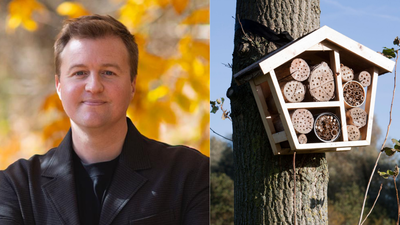
A scientist built 200 hotels for bees. Three years later, the guests he found changed what we know about pollinators and biodiversity |

Hotels are usually built for travellers, but some are designed for creatures no bigger than your thumb. Scientists and conservationists have spent years creating these miniature refuges for wild bees in the form of small nesting structures fitted with narrow tunnels that mimic the hollow stems and cavities many solitary bee species naturally use to…

Read More

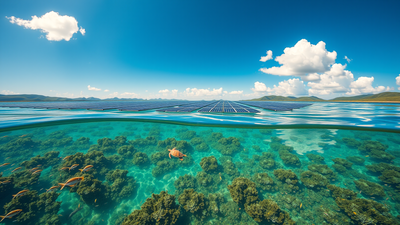
Netherlands has a floating solar farm where scientists found hundreds of fish and thousands of aquatic creatures living beneath the panels |

A floating solar farm in the Netherlands is turning out to have an effect nobody quite expected; it is giving underwater life a real boost. Bomhofsplas is a large artificial lake near the city of Zwolle, and its surface is now covered with more than seventy thousand solar panels installed by the energy company BayWa…

Read More

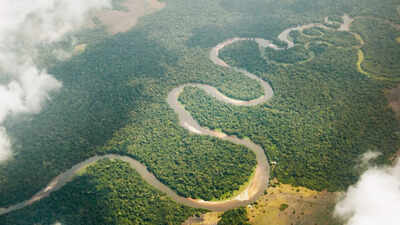
Congo River: Congo River releases 40,000 cubic metres of freshwater into the Atlantic every second. Scientists trace where it goes

Forty Thousand Cubic Meters of Fresh Water Flow from the Congo into the Atlantic Every Second. A New Study Traces Where It Goes from There. Every second, the Congo River releases about 40,000 cubic metres of freshwater into the Atlantic Ocean. That makes it the world’s second largest river by discharge. But once that enormous…

Read More