Two Kochi postgraduates turned a mud-crab farming problem into a national-winning startup, earning a Rs 10 lakh grant for a bucket system that can help farmers raise premium crabs inland
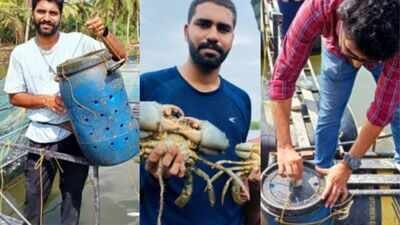
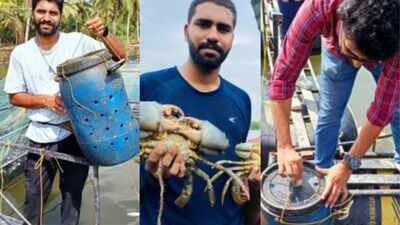
Two postgraduates from Kochi have made headlines after turning a stubborn challenge in mud-crab farming into a technology-driven startup. The two brilliant minds have now won national recognition along with a ₹10 lakh innovation grant. Meet Arundas N H and Aswathy T, the two graduates of the Kerala University of Fisheries and Ocean Sciences (KUFOS). The men founded Kochi-based STEM Systems in 2022 to make premium mud-crab farming more accessible and affordable.Their venture emerged as a winner of the Fisheries Startup Grand Challenge 2.0, launched by the Department of Fisheries, Government of India.Understanding the problem they wanted to solveThose who don’t know, mud-crab farming can be lucrative because large, high-quality crabs are highly priced in the market. However, conventional farming has several hurdles as mud crabs need suitable brackish-water conditions. Also their aggressive, territorial behaviour can lead to cannibalism when they are together.For farmers located away from coastal and estuarine areas, dependence on naturally available brackish water can make crab farming difficult. Now the two identified this issue and STEM Systems is here.More about STEMThe startup developed a mud-crab bucket fattening system, a controlled method in which individual crabs can be reared separately. The approach is designed to reduce cannibalism and allow farmers to fatten crabs to premium market sizes.
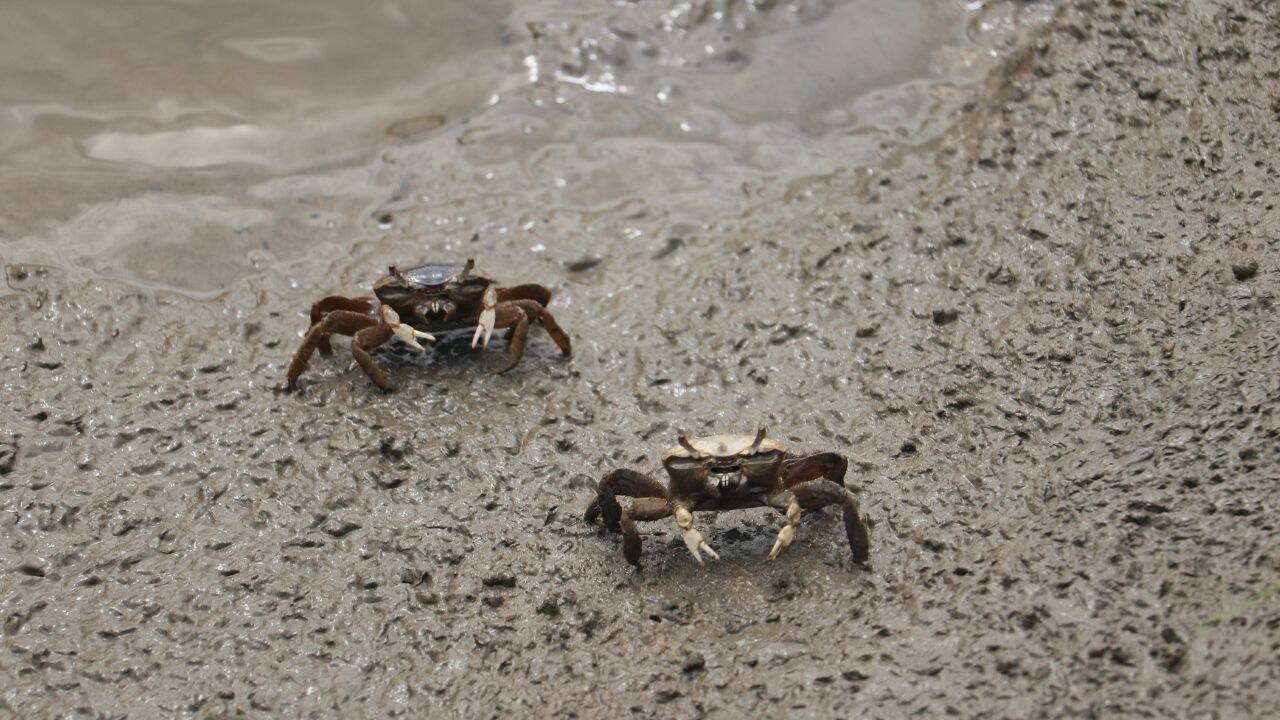
Crab farming (Canva)
In April 2024, ICAR-Central Coastal Agricultural Research Institute (ICAR-CCARI), in collaboration with STEM Systems and KUFOS, held a mud-crab farming demonstration in Kochi. There, they showed farmers the crab-fattening technology using specially designed FRP barrels. They also demonstrated practical methods for handling, feeding and marketing crabs.Perfect for inland farming
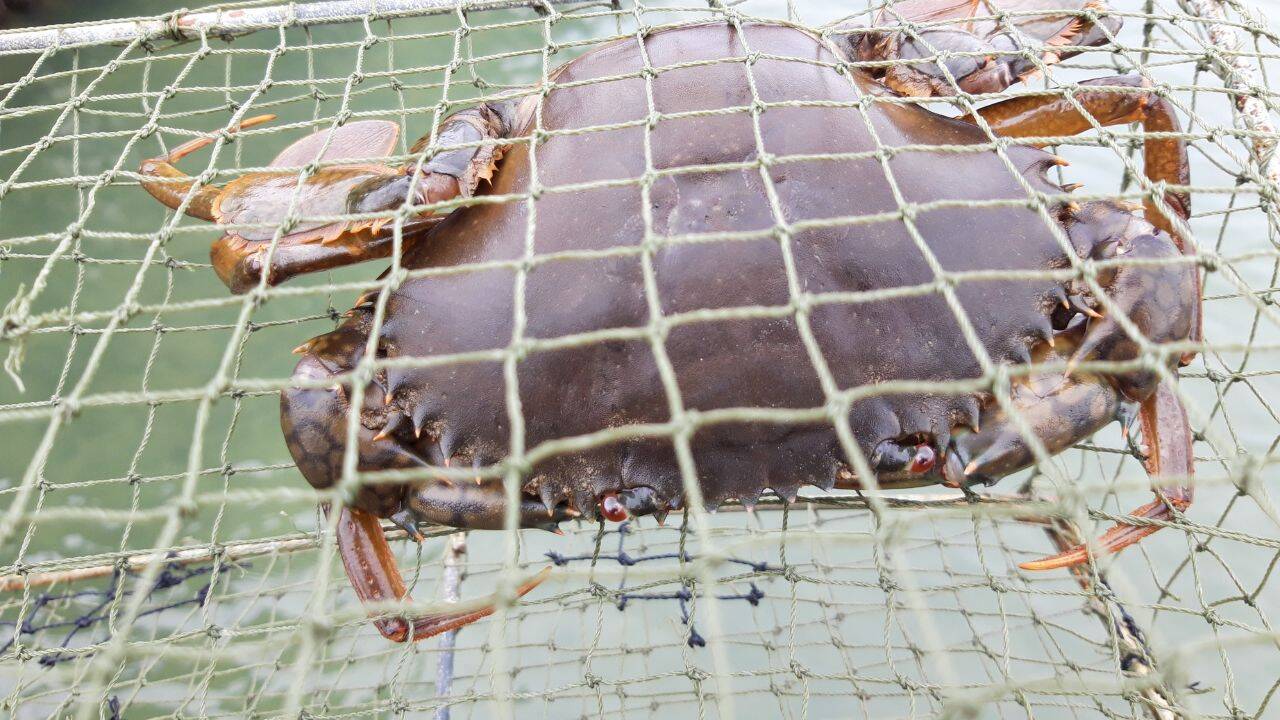
Inland farming (Canva)
One of the most fascinating parts of the startup’s approach is that it is not limited to farms naturally connected to the sea.STEM Systems has developed Aquamin, an artificial brackish-water mineral formulation for recreation of the mineral conditions needed for mud-crab fattening. As per the startup, this can allow farmers in inland locations, where natural saline or brackish water is unavailable.That could significantly widen the potential geography of crab farming. Instead of requiring a farmer to own or access coastal land, the system is designed around relatively compact units that can be adapted to different farming situations.A student-led initiative to a farmer-focused businessSTEM Systems has used demonstrations and training programmes to put the system in the hands of farmers. ICAR-CCARI records show that by October 2024, a series of capacity-building programmes had trained around 300 farmers, while approximately 120 farmers had started crab-fattening units across Kerala, Karnataka, Goa and Maharashtra.
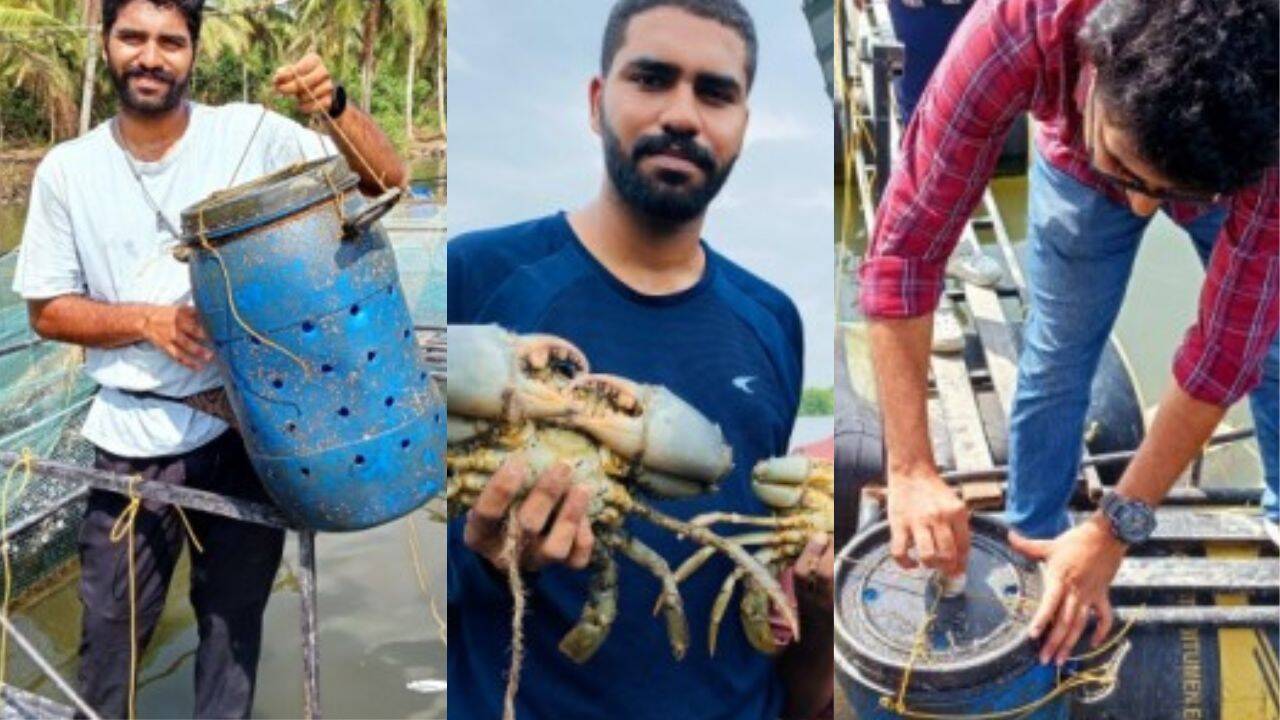
Teaching Inland farming
STEM Systems says it supplies mud-crab seed, provides mineral solutions and technical training, supports farmers during production and operates a buy-back arrangement for market-ready crabs. As per founders, the firm has also developed a market for jumbo mud crabs weighing over 1 kg.₹10 lakh national grant mattersThe national recognition came through the Fisheries Startup Grand Challenge 2.0 and the grant matters. Winners also receive structured incubation and mentorship support through institutions including ICAR, the National Fisheries Development Board and other establishments associated with the Department of Fisheries.What this could mean for farmersNow this can address several challenges of mud-crab farmers.
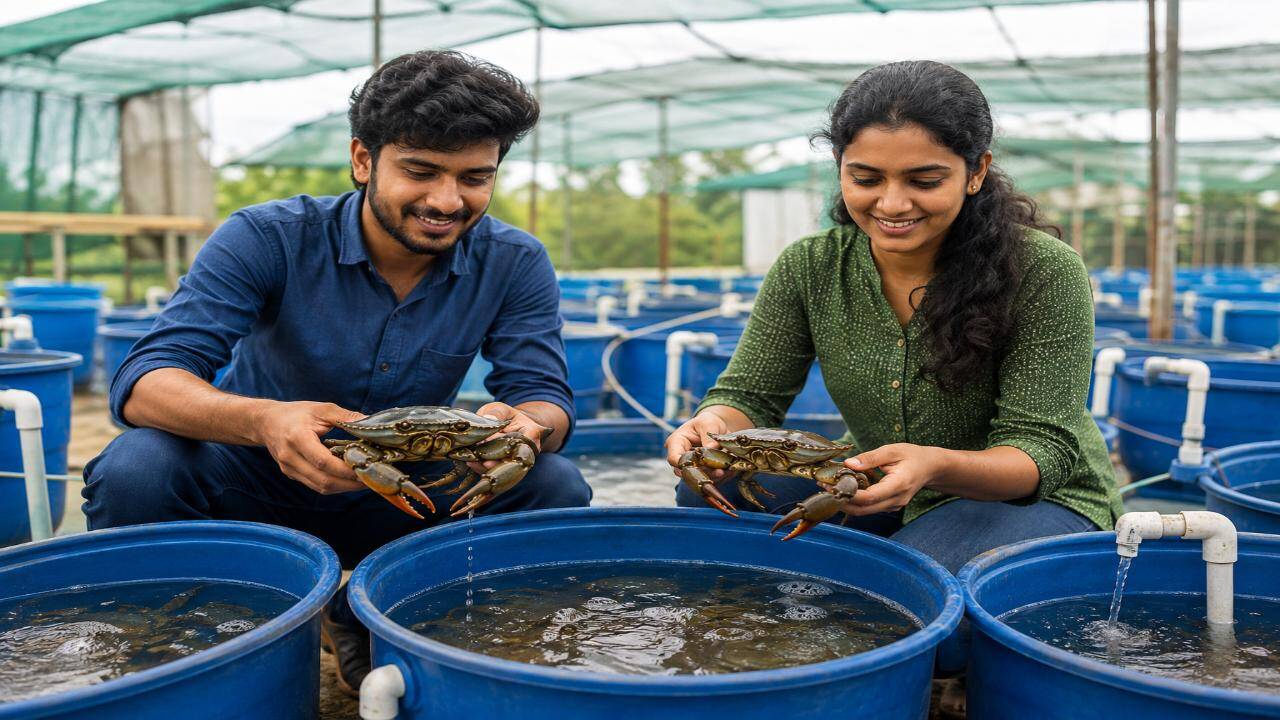
AI-Image
If controlled systems can reliably reproduce the water conditions required by mud crabs and manage aggression, premium crab farming could potentially become accessible to farmers who do not own conventional coastal ponds.And that is what makes the journey of two postgraduates particularly interesting. It’s a national-winning idea for a reason: how to raise valuable mud crabs more efficiently, even where the sea is far away.