Scientists transplanted 42 sea sponges into a polluted Spanish marina; 91.7% of one species survived 455 days and began creating mobile clones
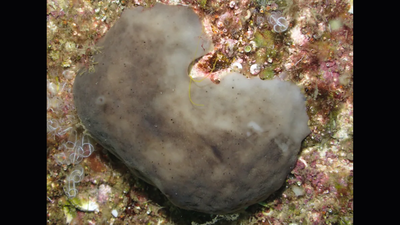
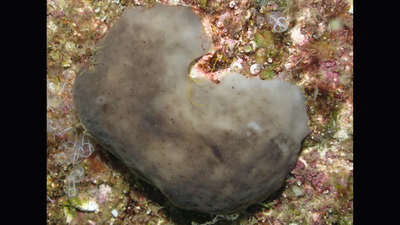
Scientists transplanted 42 sea sponges into a polluted Spanish marina, where 91.7 per cent of one hardy species survived for 455 days and began creating mobile clones.The study, published in Frontiers in Marine Science, shows that the chicken kidney sponge (Chondrosia reniformis) can thrive in heavily disturbed harbour waters and multiply on its own. The findings suggest these natural filter feeders could serve as pioneers for cleaning up polluted ports.Harbours present harsh conditions for marine life due to accumulated fuels, toxic paints, trash, noise pollution, and invasive species brought in by shipping. To test whether native sponges could help restore these habitats, researchers led by Dr Manuel Maldonado from the Center for Advanced Studies of Blanes in Girona, Spain, tested five wild Mediterranean species.“Here we show that some sponge species have exceptional potential for use in the restoration of degraded harbor habitats,” said Maldonado. “In our new study in Frontiers in Marine Science, we tested five species, and among them the chicken liver sponge Chondrosia reniformis demonstrated an outstanding ability to adapt to these challenging conditions and even thrive.”
Testing candidates in Marina Palamós
Sponges act as natural water filters, straining thousands of litres of seawater every day. They remove heavy metals, bacteria, viruses, and floating debris while recycling nutrients and creating habitats for small fish, crustaceans, and marine worms.To find the tough candidates needed for harbour cleanup, Maldonado’s team selected five distinct Mediterranean species: Corticium candelabrum, Crambe crambe, Scalarispongia scalaris, Ircinia oros, and the chicken kidney sponge. The team collected specimens from shallow waters near Santa Anna Point, 30 kilometres from their target site at Marina Palamós, a busy recreational port in Girona.The collected sponges were first kept attached to ceramic plates in 500-litre seawater tanks at the Blanes marine research centre. Every specimen of C. candelabrum died during this laboratory phase after failing to attach to the plates.Between 2024 and 2025, researchers moved the surviving specimens onto artificial reefs made of calcium-carbonate-coated metal grids, attaching them to the underwater seawall inside Marina Palamós.
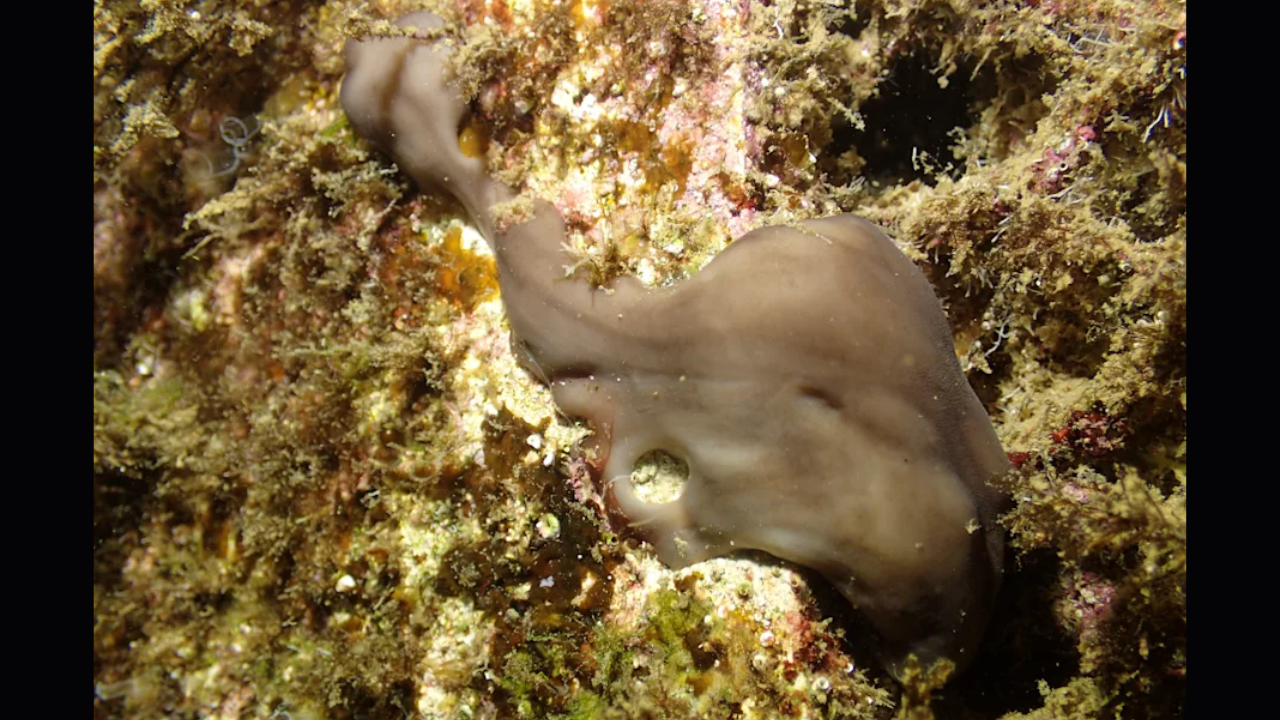
Specimen of Chondrosia reniformis transplanted into the harbor attached to an experimental plate used as the substratum/
Survival and the creeping strategy
The four remaining species faced vastly different outcomes inside the busy port. All specimens of C. crambe, S. scalaris, and I. oros shrank in size over time, dying between 20 and 165 days after transplantation.In contrast, the chicken kidney sponge flourished. Over the 455-day monitoring period, 91.7 per cent of the original C. reniformis individuals survived. Missing individuals and new offspring clones were tracked after they split off or moved away through a natural mobility process called creeping.“Unlike many sponges, the chicken kidney sponge can ‘creep’ away if local conditions deteriorate – for example, when nearby organisms compete. It can also relocate from the exposed upper surface of a rock, where it is subjected to UV radiation, polluted sediments, and predators, to sheltered crevices where these stresses are greatly reduced. It also reproduces asexually by fission: this allows populations to expand rapidly and later reproduce sexually, increasing the chances of successful fertilization,” Maldonado explained.This crawling and splitting behavior lets the sponges spread naturally into protected cracks while generating genetic clones that expand the local population.
Future plans for biological restoration
Because C. reniformis hosts high densities of symbiotic microbes within its tissue, researchers want to see if these microscopic partners help the host digest harbour toxins and heavy metals.“Our next step is to monitor the transplanted sponges over several years. We are particularly interested in tracking shifts in their communities of symbiotic microbes – highly abundant in tissue of the chicken kidney sponge, a so-called ‘high microbial abundance’ species – to find out if these help them to tolerate pollutants,” said Maldonado. “But we will also continue testing more sponge species.”