French jeweller Pierre Cartier traded a $1 million pearl necklace and just $100 to buy a Fifth Avenue mansion in 1917 that became one of New York’s most famous luxury landmarks
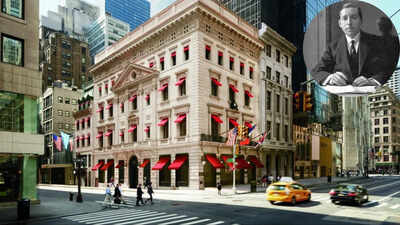
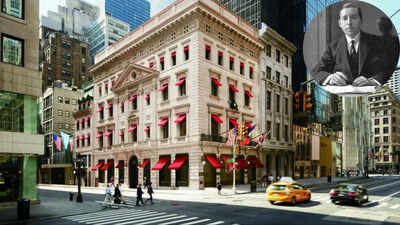
French jeweller Pierre Cartier defeated some of New York’s most powerful real estate families by using a double-strand pearl necklace and only a $100 payment to secure a six-story Fifth Avenue mansion that is now worth hundreds of millions of dollars.The historic deal was completed in 1917and transferred ownership of the grand Renaissance-style residence at 653 Fifth Avenue from wealthy railroad and steamship heir Morton F. Plant to the French luxury jewellery house.While Gilded Age families such as the Rockefellers and Astors spent millions of dollars building their Manhattan properties, Cartier used something much simpler: The strong desire of Plant’s wife, Maisie Plant, to own a specific piece of jewellery.The agreement changed a private aristocratic home at the southeast corner of Fifth Avenue and 52nd Street into one of the world’s most famous luxury stores. It gave Cartier a permanent and powerful presence in the American market. The unusual transaction combined business strategy, personal desire, and luxury branding. In the early 20th century, when luxury was strongly connected to status and emotion rather than only financial value, such a deal could happen. Both sides believed they had achieved exactly what they wanted.
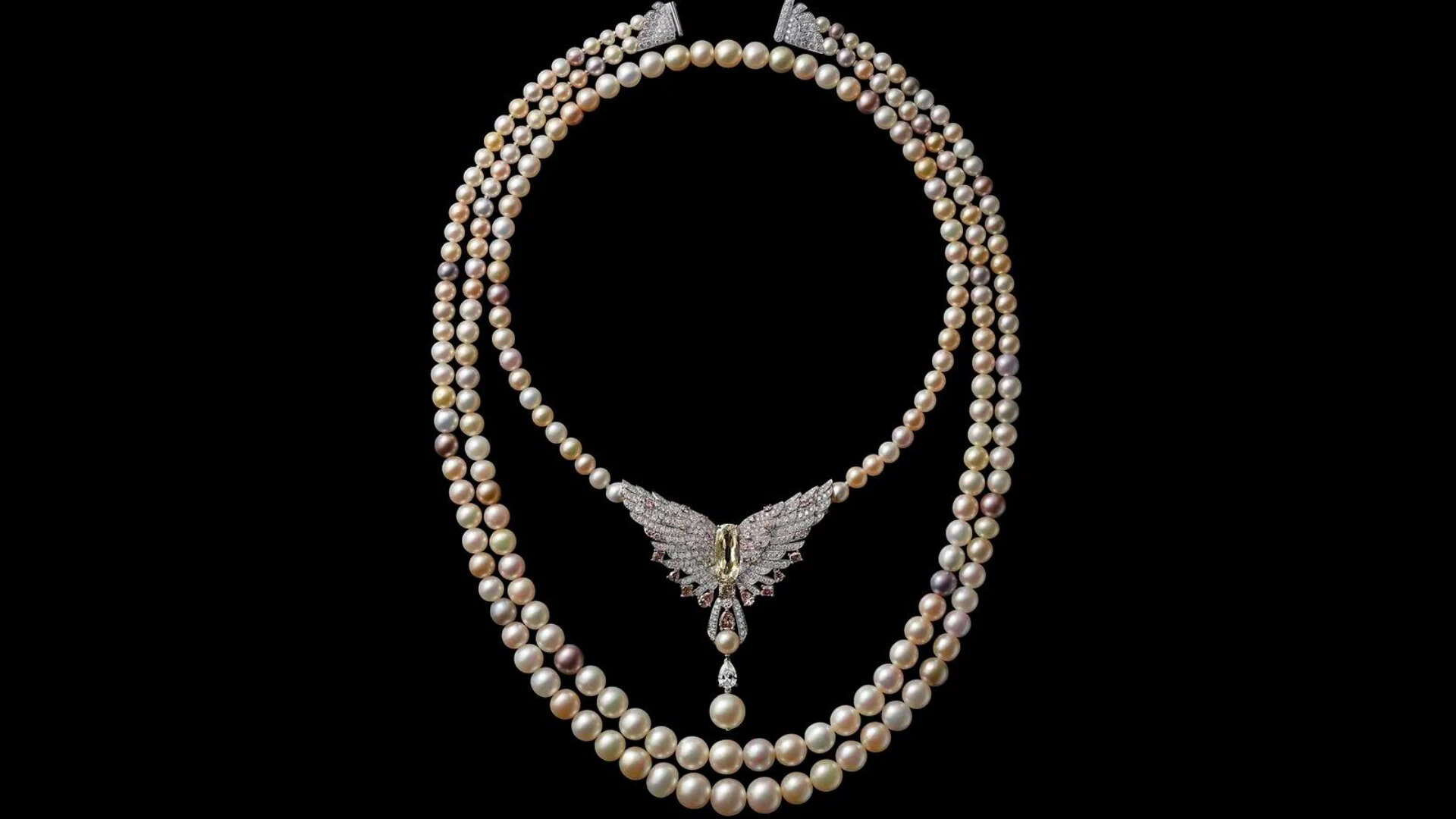
A 2016 high-jewelry tribute to the mansion that a necklace built.
A million-dollar obsession in the Gilded Age
During the early 20th century, natural pearls collected from the ocean were considered more rare and valuable than diamonds. Pierre Cartier spent years searching for and carefully matching 128 individual natural pearls to create a perfect double-strand necklace.Every pearl was selected based on its size, colour, and shape. Creating such a flawless piece was extremely difficult because cultured pearls had not yet become widely available. The necklace was completed with diamond clasps designed by Cartier and was valued at an incredible $1 million, which was more than the estimated value of the Fifth Avenue mansion itself.At the same time, Pierre Cartier wanted to make Cartier a major luxury name on Fifth Avenue. The limestone, marble, and granite mansion was exactly the kind of prestigious location that could strengthen the brand’s reputation in America.When Cartier discovered that the wealthy Plant family planned to move further uptown, he saw an opportunity. He approached Morton Plant with an unusual proposal. Maisie Plant had admired Cartier’s famous pearl necklace for years, and her husband wanted to satisfy her wish.The final agreement required Cartier to give the necklace along with a small $100 cash payment in exchange for ownership of the entire residential building.
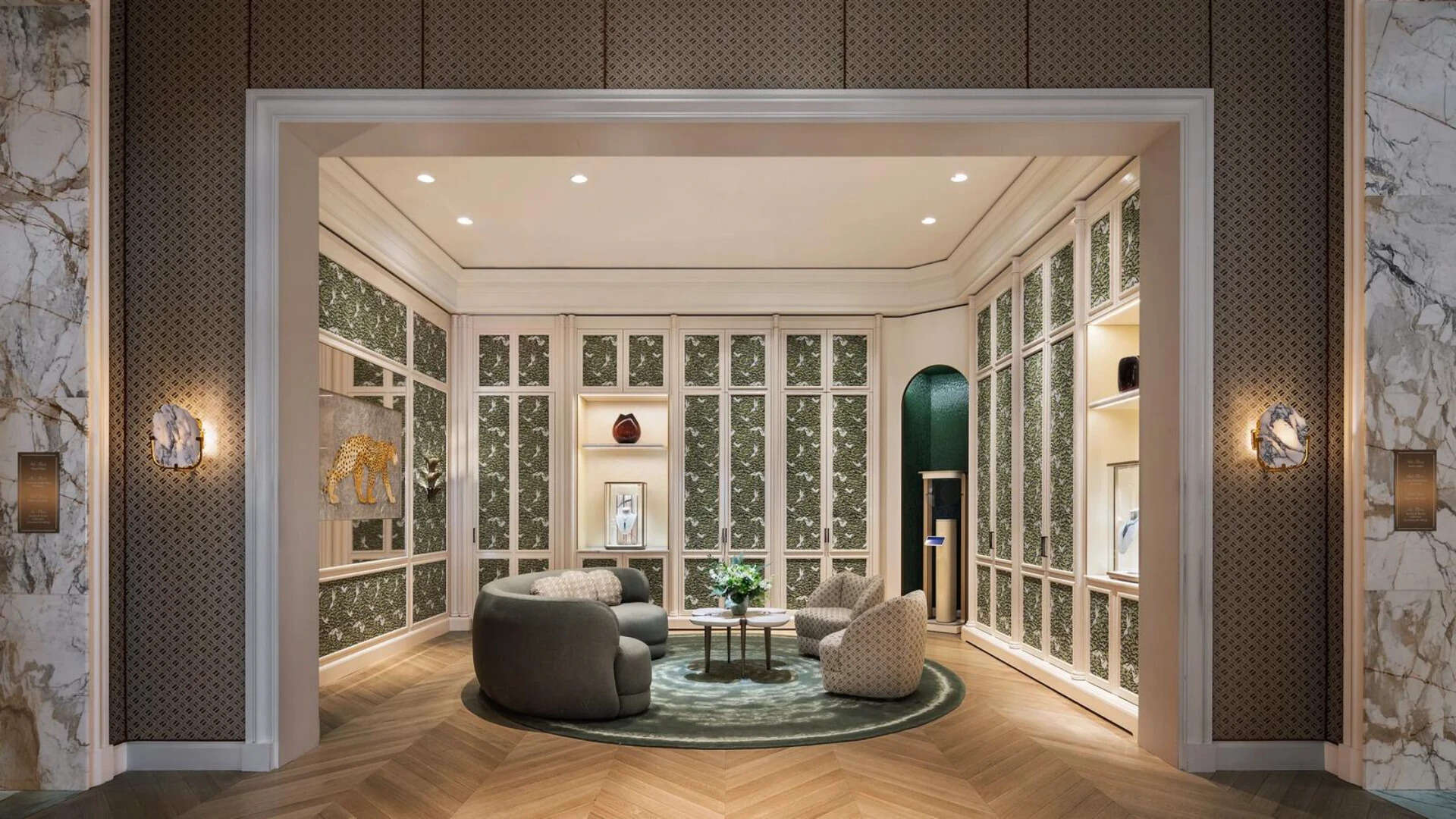
Cartier’s New York Temple of luxury, renovated yet timeless
The collapse of the pearl market
However, the value of the two assets changed dramatically over time. Soon after the deal was completed, Japanese cultured pearls entered the global market in large numbers. This reduced the rarity of natural pearls and caused their value to fall sharply.A necklace that was once considered an unmatched fortune became less valuable because of new technology and changing consumer preferences. When Maisie Plant’s estate sold the famous double-strand necklace at auction in 1957, it was purchased for only $157,000.The mansion experienced the opposite fate. Its value continued to increase, turning it into one of the most important luxury addresses in America. The building became Cartier’s New York headquarters, bringing together the brand’s history, high jewellery collections, wealthy customers, and Fifth Avenue reputation.In 2001, New York City officially named the nearby intersection Place de Cartier. The decision showed how strongly the location had become connected with the French jewellery house.What began as a private home for a wealthy family became a landmark so closely associated with Cartier that even the surrounding area carries the company’s name.
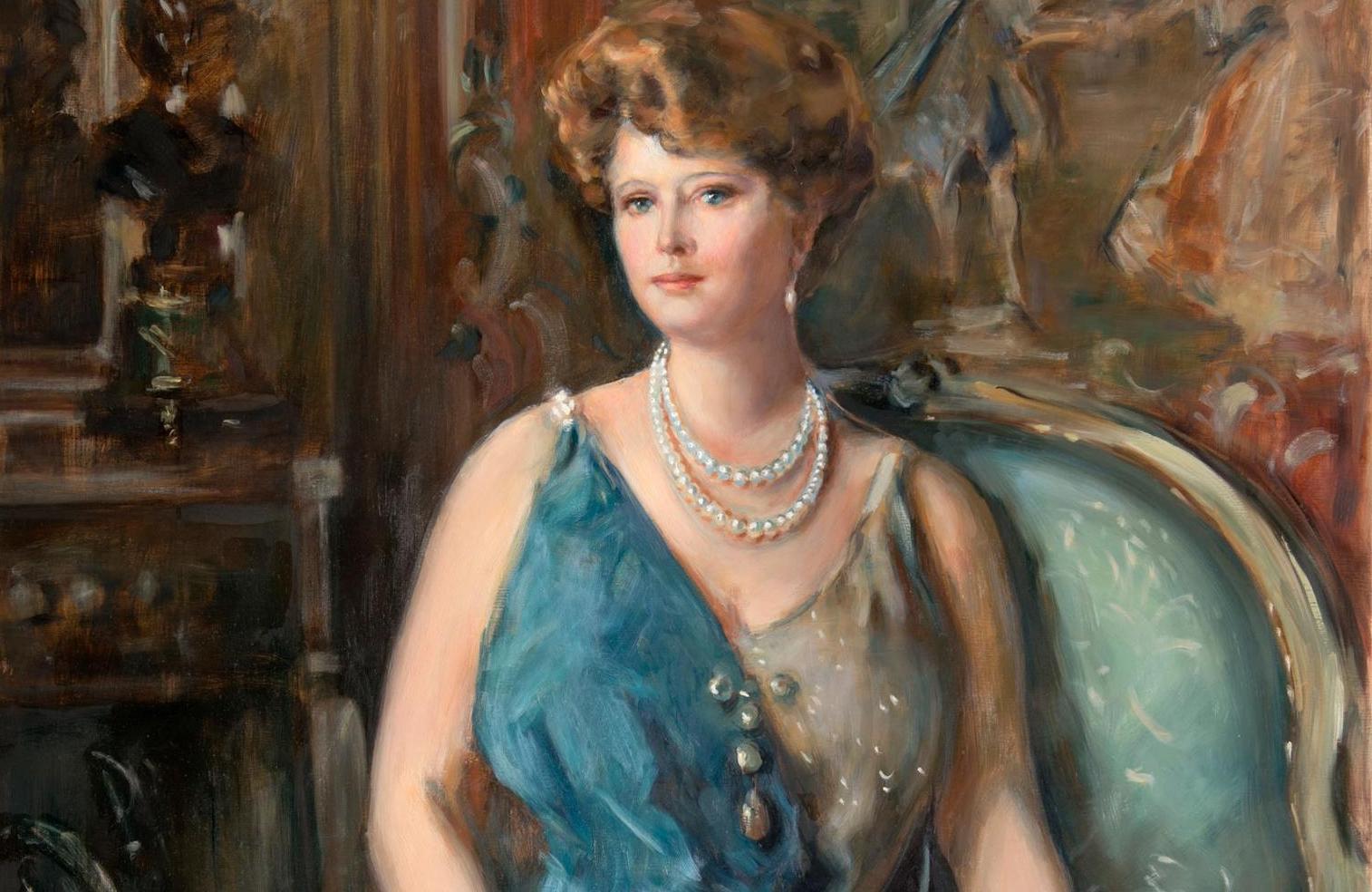
A portrait of Maisie Plant, Morton Plant’s young wife, wearing the Cartier necklace of natural pearls
Inside the modern house of luxury
More than a century later, Cartier remains connected to 653 Fifth Avenue, although the company now operates from the building through a long-term lease rather than owning the property directly. The Cartier Building contains around 55,000 square feet of retail and customer space.A major renovation led by Paris-based designer Laura Gonzalez brought the mansion’s original history into the modern luxury store. A portrait of Maisie Plant still hangs inside the building, overlooking the Maisie Plant Salon, which honours the woman whose love for pearls helped Cartier secure the property.The building is divided into different luxury sections. Morton Plant’s former private music room has been transformed into a high-jewellery hospitality area. The building also includes private bridal rooms, a dining room, and a champagne-coloured VIP pavilion.The upper floors contain customer service areas and specially designed rooms named after famous Cartier clients and cultural figures, including Gary Cooper, Andy Warhol, Alberto Santos-Dumont, Princess Grace of Monaco, and Elizabeth Taylor.Today, Cartier’s Fifth Avenue flagship attracts collectors and luxury customers from around the world. The building remains a symbol of an era when a jeweller could exchange a rare collection of pearls for a permanent place in New York’s history.