Why eucalyptus trees shed their bark every year and how it helps them survive |
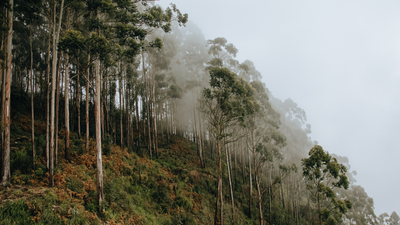
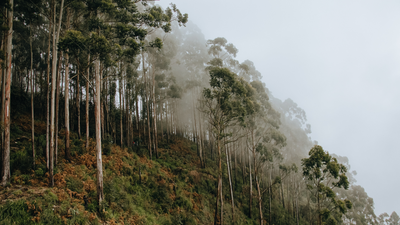
Peeling trunks and ribbons of bark hanging from branches are among the most distinctive features of eucalyptus trees. To many people, the sight can appear as though the tree is damaged or dying. In reality, the opposite is often true. For most eucalyptus species, shedding bark is a natural process that plays an important role in growth, protection and survival. Found predominantly in Australia but cultivated across many parts of the world, eucalyptus trees have evolved in environments shaped by drought, insects and frequent bushfires. Botanists say bark shedding is one of several adaptations that have helped many eucalyptus species survive Australia’s droughts, nutrient-poor soils and frequent bushfires over millions of years.
Why do eucalyptus trees peel their bark instead of keeping it
Unlike many tree species that retain the same outer bark for decades, numerous eucalyptus species naturally shed their bark in strips, flakes or large sheets. The process occurs as the tree grows, with the older outer bark gradually separating from the living tissue beneath.According to Hardy Eucalyptus, bark is made up largely of dead protective tissue. As the trunk expands, this outer layer can no longer stretch sufficiently to accommodate new growth. Instead of cracking deeply, many eucalyptus trees simply discard the old bark, exposing a fresh layer underneath.The appearance of the bark varies widely between species. Some, such as the river red gum (Eucalyptus camaldulensis), shed long ribbons of bark, while others lose small flakes or patches, creating the colourful, mottled trunks for which many eucalyptus trees are known.The newly exposed bark is often smooth and pale before gradually darkening as it ages and becomes weathered, beginning the cycle once again.
How shedding bark protects eucalyptus trees from fire, pests and disease
Scientists believe bark shedding provides several important ecological advantages beyond allowing the tree to grow.One benefit is the removal of lichens, mosses, fungi, parasitic plants and insect eggs that accumulate on the outer bark over time. By periodically discarding this layer, the tree may reduce the build-up of organisms capable of damaging its surface or competing for resources.The process also contributes to the tree’s complex relationship with fire. Australia’s native landscapes have experienced natural bushfires for millions of years, and eucalyptus species have evolved numerous adaptations to survive them. Many possess thick insulating bark around vulnerable tissues, while others can regenerate rapidly from protected buds beneath the bark or from specialised woody structures known as lignotubers after fire has passed.Researchers note that bark characteristics differ considerably among eucalyptus species depending on the environments in which they evolved. Species growing in fire-prone regions often display bark traits that improve resilience, although bark shedding itself is only one component of a much broader suite of fire adaptations.Fresh bark may also reflect more sunlight than older, darker bark, helping moderate trunk temperatures during periods of intense heat.
What bark shedding reveals about the remarkable survival strategy of eucalyptus trees
According to research titled ‘Eucalyptus Trees Plantation: A Review on Suitability and their Beneficial Role,’ Eucalyptus belongs to one of the most diverse groups of flowering trees on Earth, with more than 700 recognised species, the vast majority of which are native toAustralia. Although their bark varies enormously, their success reflects an extraordinary capacity to adapt to challenging environments.Researchers studying eucalyptus evolution have found that these trees have survived repeated cycles of climate change, prolonged droughts and frequent fires by combining multiple survival strategies. Deep root systems enable many species to access groundwater during dry periods, while leaves rich in aromatic oils help reduce water loss and deter some herbivores.The annual shedding of bark fits into this broader pattern of adaptation. Rather than being a sign of decline, it is evidence of continuous renewal, allowing the tree to grow, remove ageing outer tissue and maintain a protective barrier against environmental stress.The next time strips of bark are seen hanging from a eucalyptus trunk, they are not signs of disease but of a tree carrying out one of its most recognisable natural processes. It is a reminder that some of nature’s most unusual behaviours are, in fact, finely tuned survival strategies shaped by millions of years of evolution.