
US oil tops $100 a barrel as Iran war rages; Donald Trump gives a ‘crude’ response: ‘very small price to pay’
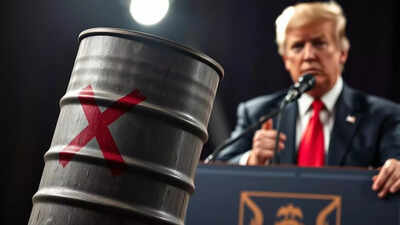
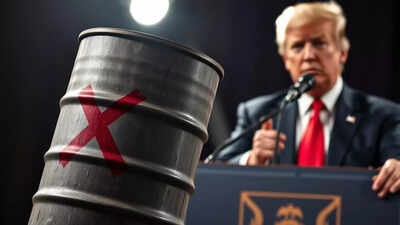
Oil prices have climbed above $100 a barrel for the first time in more than three and a half years as the escalating war involving Iran disrupts energy production and shipping routes across the Middle East. US President Donald Trump called it a “very small price to pay for world peace”.“Short term oil prices, which will drop rapidly when the destruction of the Iran nuclear threat is over, is a very small price to pay for USA, and World, Safety and Peace. ONLY FOOLS WOULD THINK DIFFERENTLY!” he said in a post on X. The last time US crude futures traded above $100 per barrel was in June 2022, when prices briefly reached $105.76. Brent crude last crossed the $100 mark a month later, in July 2022, when it hit $104 a barrel.Brent crude, the international oil benchmark, rose to about $101.19 a barrel shortly after trading resumed on the Chicago Mercantile Exchange, up more than 9% from Friday’s closing price of $92.69. US benchmark West Texas Intermediate (WTI) climbed even higher, trading at roughly $107.06 a barrel — about 16% above its Friday settlement price of $90.90. The surge follows a sharp rise last week, when US crude prices jumped about 36% and Brent crude increased 28%. The war, now in its second week, has drawn in countries and locations that play a crucial role in global oil production and transport, fueling concerns about supply disruptions. A major concern for markets is the Strait of Hormuz, a narrow but vital shipping route for global energy supplies. According to research firm Rystad Energy, roughly 15 million barrels of oil — around one-fifth of the world’s daily supply — normally pass through the strait each day. However, threats of missile and drone attacks linked to the conflict have severely limited tanker traffic through the waterway. The strait sits along Iran’s southern coast and is the main export route for oil and gas from several major producers, including Saudi Arabia, Iraq, Kuwait, Qatar, Bahrain and the United Arab Emirates. Export disruptions are already affecting production levels. Iraq, Kuwait and the UAE have reduced oil output as storage facilities fill up due to the inability to ship crude abroad. At the same time, the conflict has directly hit energy infrastructure. Iran, Israel and the United States have all carried out strikes on oil and gas facilities since the fighting began, adding to fears of tighter global supply.