
Think flushing coffee grounds is safe? Here’s why experts say it might be risky for your pipes |
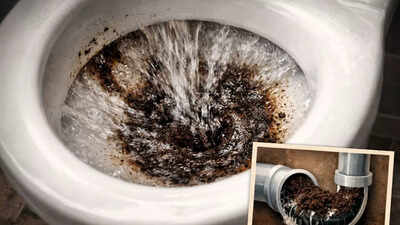
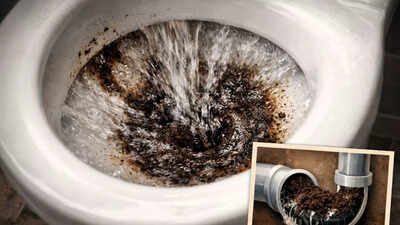
Something strange is happening online. A simple tip involving a spoonful of coffee grounds has taken over social media, especially across Europe. Videos show people tossing damp coffee grounds into the toilet, scrubbing a bit, then flushing. It supposedly cleans, freshens, and removes stains without bleach or harsh chemicals. The idea of reusing waste to clean something grossly everyday is appealing. But experts say it’s not all harmless fun. What seems like a smart, sustainable trick might actually be quietly sabotaging plumbing systems. And once things go wrong, the effects aren’t so easy to fix.Coffee grounds aren’t useless. Just not in the toilet. Compost bins love them. Gardens too. Rich in nitrogen and phosphorus, they feed plants. Scrubbing bowls? Maybe a bit okay. But regular flushing? Risky.
How this simple coffee trick can clog your pipes
The hack is very simple.
- Brew your coffee.
- Scoop out the damp grounds.
- Sprinkle into the toilet.
- Scrub lightly.
- Flush. That’s it.
Advocates say it’s mildly harsh, helping remove surface stains. It also supposedly absorbs odours. Perfect for households trying zero-waste lifestyles or anyone avoiding chemical cleaners. For the moment, it seems harmless. But there’s a problem! Coffee grounds don’t dissolve. Wet, they clump. Fibres, oils, tiny particles, they settle. Over time, those particles stick to pipe bends and junctions. In older homes, particularly those built before the 1980s, pipes are narrower, with sharp turns. They weren’t made for solids. Slowly, the material builds up, drainage slows, partial clogs appear. Maintenance crews report these soft obstructions regularly. And fixing them isn’t cheap.
Hidden plumbing risks of flushing coffee grounds
It’s not just single households. In apartment blocks, even occasional flushing of coffee grounds can cause trouble. Shared vertical stacks can get clogged. One unit’s “innocent” practice might affect neighbours. Reports from German cities mention a noticeable rise in service calls. Pipes layered with organic waste, soap residue, and calcium scale become a headache. People might be surprised. What looks like a harmless eco-hack ends up causing real infrastructure problems.