$1 billion for Syria’s Internet? Saudi Arabia’s historic telecom deal SilkLink, new joint airline push explained
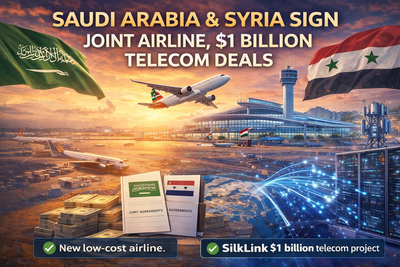
On February 7, 2026, Syria and Saudi Arabia signed a series of major economic agreements designed to catalyse reconstruction in war-torn Syria and deepen bilateral cooperation across strategic sectors including aviation, telecommunications and infrastructure. The accords come as Damascus seeks to rebuild after years of conflict and as Riyadh expands its engagement with the country’s new leadership.
Syria and Saudi Arabia’s joint airline to reconnect the region
One of the headline components of the agreements is the creation of a new low-cost airline jointly owned by Syrian authorities and Saudi partners. The venture, often described in reports as “Flynas Syria” or a Syrian-Saudi carrier aimed at strengthening regional and international air links, is intended to boost connectivity and reintegrate Syria into regional flight networks after years of limited operations.In addition to the airline itself, plans also include the redevelopment of Aleppo’s existing airport and the construction of new international airport facilities capable of handling millions of passengers annually, signalling a broader push to rebuild the country’s aviation infrastructure.
SilkLink: A $1 billion telecoms push between Syria and Saudi Arabia
Perhaps the most ambitious non-aviation component of the agreements is the “SilkLink” telecommunications project, backed by a reported investment of around $1 billion. This initiative, led by Saudi telecom firms including STC Group, aims to revamp Syria’s telecommunications infrastructure, laying tens of thousands of kilometres of fiber-optic cables and enhancing digital connectivity within Syria and between Asia and Europe.
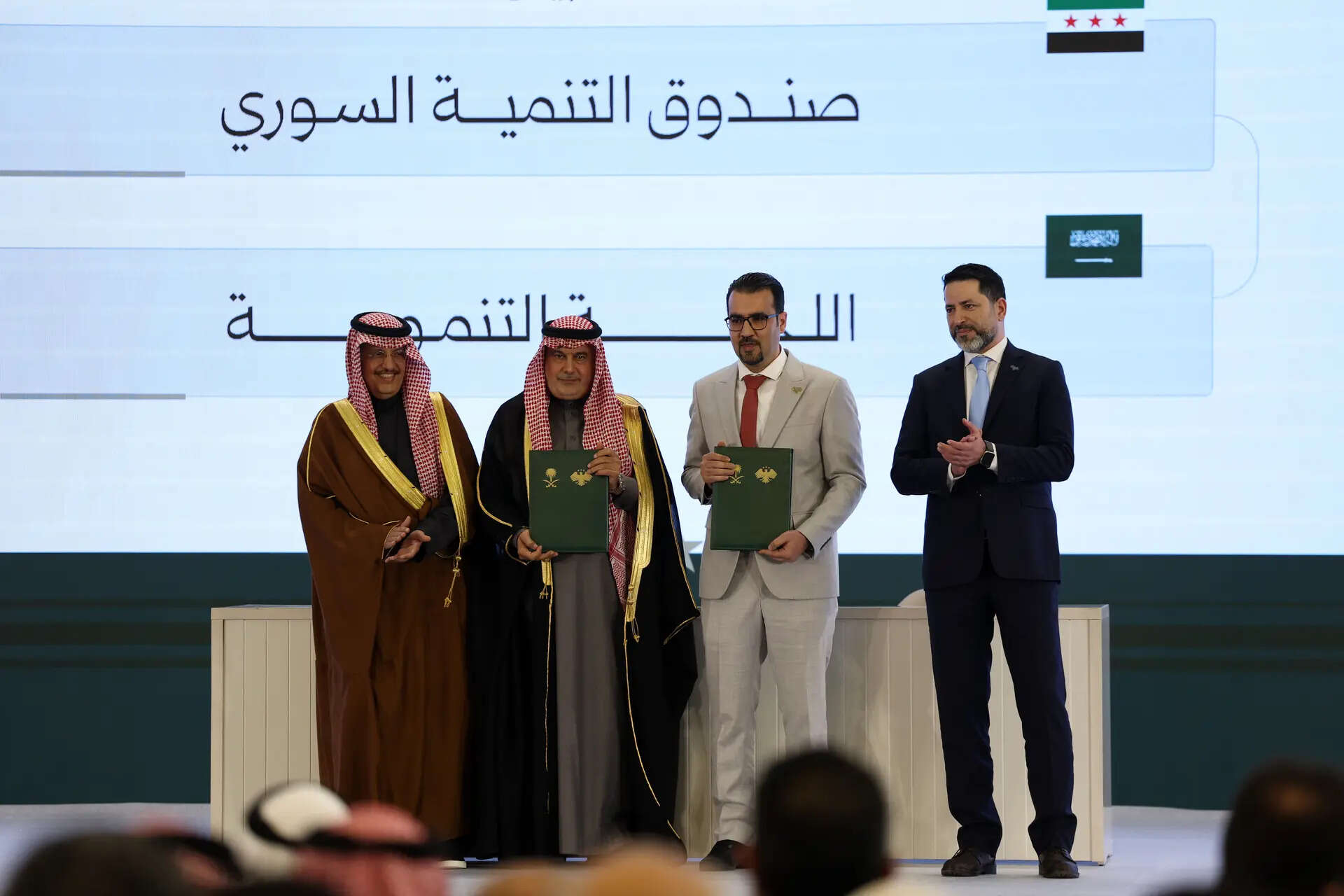
Officials pose after signing a framework agreement for developmental cooperation and the launch of 45 development initiatives between the Syrian Development Fund and Saudi Arabia’s Development Committee at the People’s Palace in Damascus, Syria, Saturday, Feb. 7, 2026. (AP Photo/Ghaith Alsayed)
Improving Internet and connectivity infrastructure is seen as key to stimulating economic growth, supporting business development and integrating Syria into the broader Middle Eastern digital economy, especially after decades of conflict severely damaged basic services.
Syria’s reconstruction after years of war
These deals reflect a significant shift in Syria’s economic landscape. After more than a decade of civil conflict, which devastated infrastructure, displaced millions and led to stringent Western sanctions under the Assad era, Syria’s new interim leadership has been actively seeking foreign investment to rebuild its shattered economy and infrastructure.The US removed remaining sanctions on Damascus in late 2025, clearing a major legal hurdle that had previously deterred large foreign investments. This change has opened the door for initiatives like the telecoms and aviation deals with Saudi Arabia and other Gulf partners.
Strategic Saudi support and broader cooperation with Syria
Saudi Arabia’s involvement underscores a broader regional strategy. Officials from both countries described the agreements as part of a strategic partnership meant to drive economic recovery and bilateral cooperation across multiple sectors. Beyond aviation and telecoms, additional partnerships include water desalination, infrastructure development and private-sector investment funds dedicated to major Syrian projects.According to reports, Saudi investment funds such as the Elaf Investment Fund are earmarked to redevelop major airports and support infrastructure projects, while Saudi companies like STC are set to lead the expansion of Syria’s digital backbone.
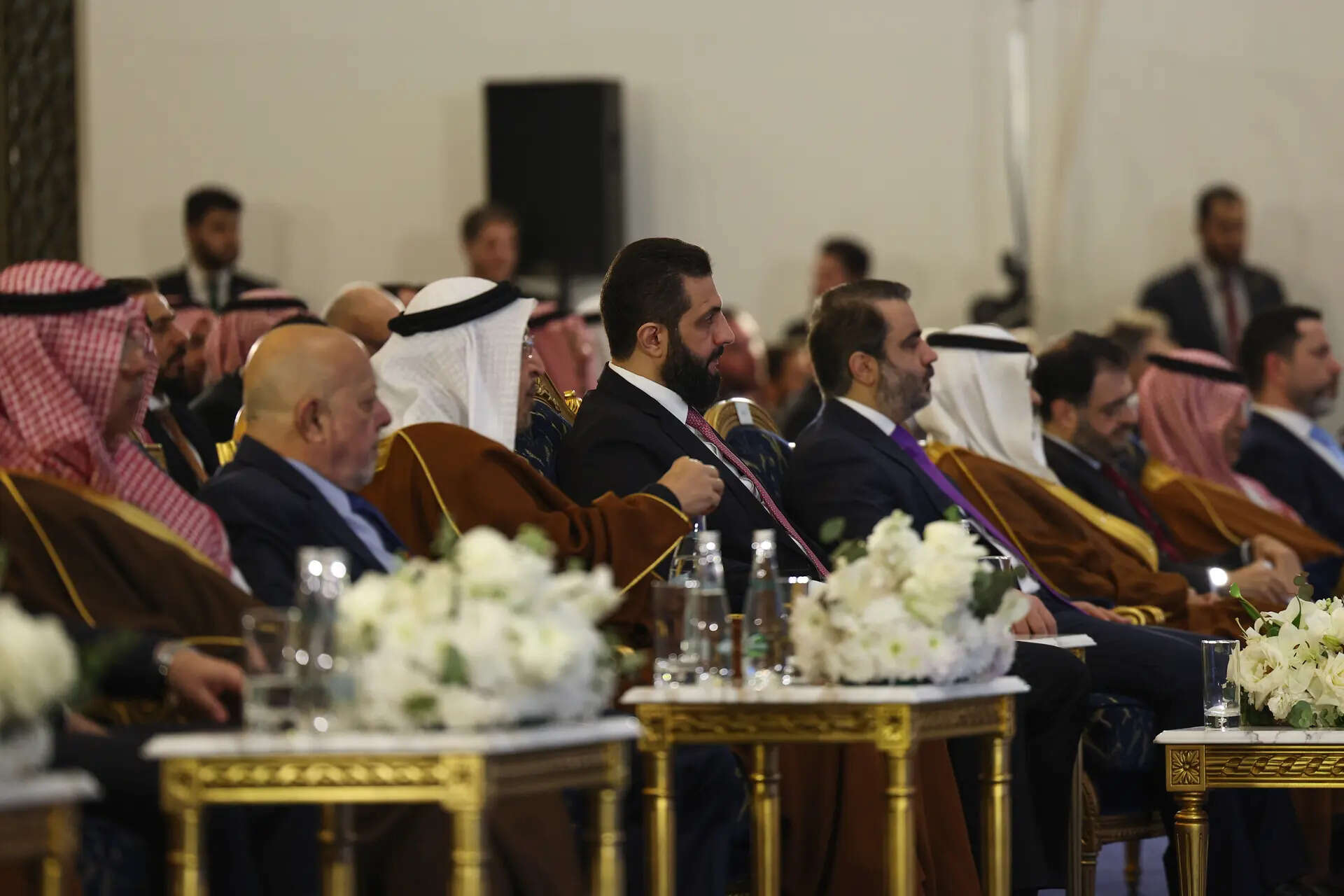
Syrian interim President Ahmad al-Sharaa attends a signing ceremony of strategic agreements between Syria and Saudi Arabia at the People’s Palace in Damascus, Syria, Saturday, Feb. 7, 2026. (AP Photo/Ghaith Alsayed)
These deals could provide a major boost to Syria’s reconstruction effort by attracting foreign capital, creating jobs and restoring essential services. A new national airline and improved airport infrastructure may help reconnect Syria with regional and international travel markets, which is a key step toward normalising its global presence.SilkLink’s telecom overhaul could extend digital services, attract tech investments and support new industries in a country where Internet access and modern connectivity were among the hardest hit by war. However, analysts caution that transforming agreements into tangible results will require overcoming lingering political, security and bureaucratic challenges and that some of the projects, while transformative in scope, may take years to fully materialise.The Syria-Saudi investment agreements of February 2026, highlighted by a joint low-cost airline and a $1 billion telecoms project, mark one of the most significant foreign engagement efforts in Syria since the civil war. By tackling strategic sectors like aviation and digital connectivity, the deals represent both an economic lifeline for Syria and a deepening of diplomatic and economic ties between Damascus and Riyadh.Their success, observers say, will depend on effective implementation, stable security conditions and sustained investor confidence but the ambitions laid out this week suggest a dramatic shift in post-war reconstruction efforts.