


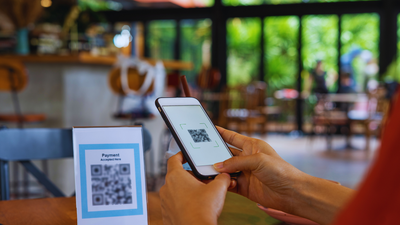
It wasn’t a scam. It wasn’t a language issue. It wasn’t even a lack of money. It was a QR code that simply didn’t get through. It’s about an American traveller who was on his trip to India for the fourth time.Standing outside yet another tourist site in southern India, the traveler realised they weren’t being turned away because they couldn’t pay, but because they couldn’t scan. Cash was refused. Cards weren’t accepted. Everything hinged on UPI, India’s scan-and-pay system, and their phone simply wouldn’t make it past the final loading screen.As per his Reddit post, this wasn’t his first time in India. It was his fourth time in India. In previous trips, which were mostly across North India, cash had always worked. This time, across Chennai, Mysuru, Bengaluru and beyond, cash wasn’t helping them. Entry gates, ticket counters, even small vendors, almost everything was digital. UPI only.

Using a US phone number with international eSIMs like Airalo and Tello, every payment attempt failed at the same point. Scan. The amount appears. Processing. Stuck. Denied. Repeat. The problem followed them, turning what should have been simple moments, buying a ticket, entering a site, into hassles and rejections.It didn’t stop there. OTPs for airline apps never arrived. Verification messages vanished into the void. Systems assumed a local number that didn’t exist. Add relentless rain, hotel mix-ups, communication breakdowns, and mounting exhaustion, and the trip began to feel less like travel and more like friction.Read more: Most spectacular birds of the Indian forestsIn a frustrated Reddit post, the traveller finally shared the big problem that he was facing in India.The responses came fast, which told a different story, and perhaps, a solution.To regular visitors, this wasn’t a failure of India. It was a failure of preparation. People explained that airports now have UPI help desks specifically for foreigners. The fix, they said, was simple but unintuitive: get a local Indian SIM, which will cost around $5 for 30 days.Others suggested lesser-known workarounds: payment apps that authenticate via WhatsApp instead of SMS, eSIMs that offer an Indian number rather than just data, and the old-school advice of carrying both cash and an international card, because not every place has flipped fully digital yet. As per one suggestion, for foreign nationals and NRIs, UPI access is possible through two main routes: using a foreign mobile number or registering with an Indian phone number. Those opting to use an overseas number currently have limited app choices, including platforms such as CheqUPI and Mony. These apps require users to upload passport and visa details, followed by an in-person verification process to activate the wallet. In the case of CheqUPI, a one-time onboarding fee applies.The other option is to get an Indian phone number and use wallet-based UPI apps, which allow UPI payments directly from an in-app wallet, without linking an Indian bank account, making them useful for NRIs who don’t have one. Wallets can be funded via debit or credit cards or internet banking.Read more: Indian Railways to run up to record 1,500 Holi special trains in March to manage festive rush One commented that activating UPI as an American is nearly impossible unless you know where to go and what to download. Another shared how their UPI setup took under an hour once they followed the right path.This post reflects how travel has changed in ways guidebooks have been telling. India’s digital leap has made daily life smoother than ever, for people inside the system. For those outside it, even small gaps can feel overwhelming.A decade ago, not carrying cash was the risk. Today, not having the right number can create hassles not only in India, but anywhere across the globe.For most travellers, the fix is minor once you know it. But until then, a QR code can become a gatekeeper, quietly reminding you that in a world racing toward frictionless payments, access itself has become something you have to earn.