


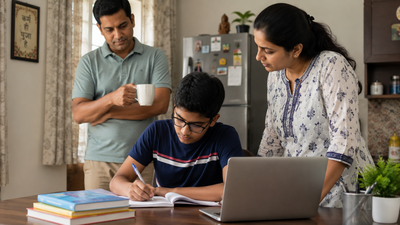
Every morning, millions of Indian parents begin the day with a familiar routine. “Did you pack your notebook?” “Don’t forget your water bottle.” “I’ll message your teacher about yesterday.” “Show me your homework before you submit it.” It feels like good parenting. After all, every parent wants to make life a little easier for their child. But here’s a question worth asking: If your child faces a problem tomorrow, will they know how to solve it OR will they first look for you?That question lies at the heart of helicopter parenting, a style of parenting that has become increasingly common across the world, including India.
28 Jul 2026 | 16:25
Do you think social media has changed the parent-teen relationship?
It doesn’t happen because parents are careless. It happens because they care. A lot. The problem is that when parents constantly step in to fix, remind, rescue and protect, children may miss out on the confidence that comes from figuring things out on their own.
What is helicopter parenting?

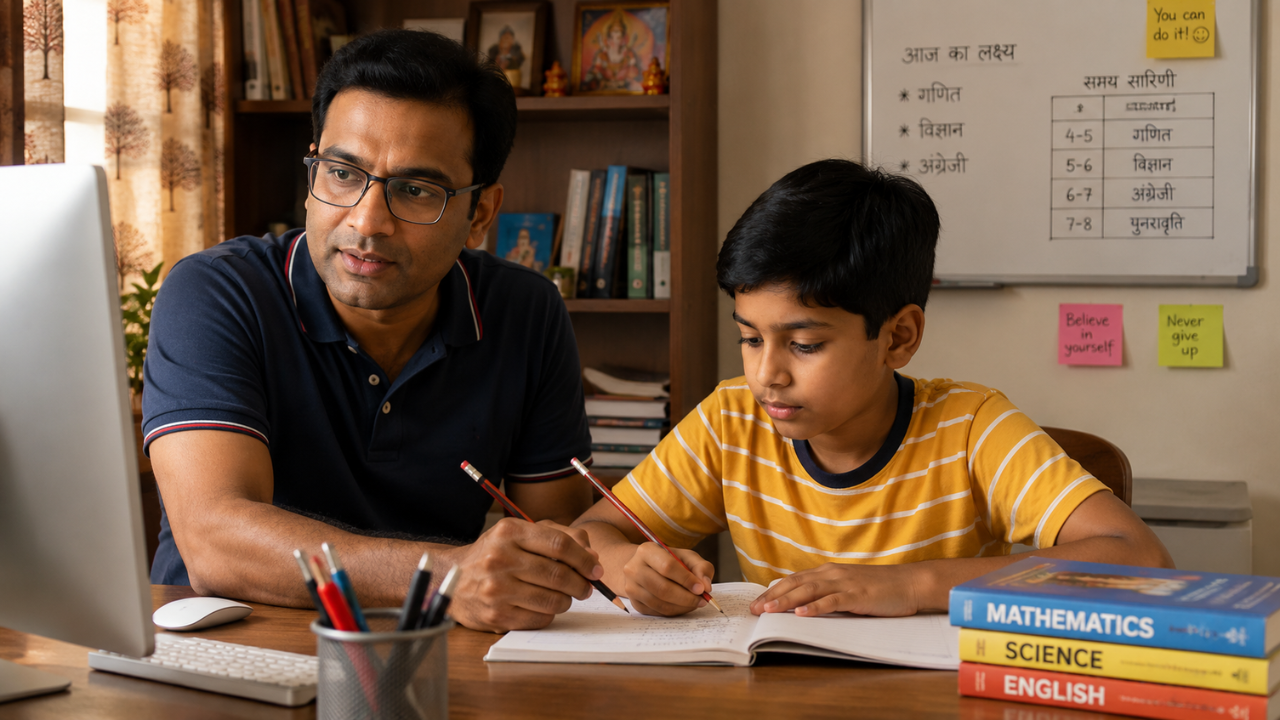
AI representation/ChatGPT
Helicopter parenting is exactly what it sounds like. Imagine a helicopter constantly hovering overhead, ready to jump in the moment something goes wrong. That’s what some parents unintentionally do. They monitor every assignment, solve every problem, settle every argument and make every important decision for their child, even when the child is old enough to do it themselves.The term was first popularised in the early 2000s, but researchers have studied this parenting style for much longer. Researchers formally described it as a parenting style that combines warmth with excessive involvement and control, often limiting a child’s independence.One of the landmark studies describing helicopter parenting explains that it is different from simply being caring or involved. It combines high parental warmth with unusually high levels of control, limiting a child’s opportunity to become independent.
Why more parents are falling into this trap
Parenting today is very different from what it was 20 years ago. Children are preparing for competitive exams earlier than ever. School admissions feel like a race. Weekdays are packed with tuition, sports, music classes and coding lessons. Then there is social media. Every scroll shows another child winning an Olympiad, speaking three languages or getting into a prestigious university.
Many parents quietly wonder: “Am I doing enough?”
Sometimes, that fear turns into overparenting. Without meaning to, parents begin managing every part of a child’s life because they believe that’s what responsible parenting looks like.Helicopter parenting starts with everyday habits. Calling the teacher because your child forgot an assignment. packing your 12-year-old’s school bag every morning. Answering questions that were asked to your child. Fighting every battle with friends, classmates or coaches. None of these seem harmful in isolation. The problem is when they become the norm.Over time, children stop asking, “How do I solve this?” Instead, they ask, “Where’s Mom?” or “Dad will handle it.”
What science says
This isn’t just a parenting trend discussed on Instagram. A 2022 review of 38 studies, published in Frontiers in Psychology, found that children and young adults who experienced higher levels of helicopter parenting were ‘more likely to report anxiety, depression and lower emotional well-being.’ The researchers stressed that this doesn’t prove helicopter parenting directly causes these problems, but the link appeared consistently across many studies.In simple words, children who are never allowed to struggle may also struggle to believe in themselves.
7 signs you may be doing too much
You fix problems before your child even triesYour child forgets a notebook. Before they can think of a solution, you’ve already called the school. Small mistakes teach responsibility. If parents solve every problem, children don’t get enough practice solving their ownYou remind them about everythingHomework, lunch box, shoes., exam dates, project submissions. Children eventually become dependent on reminders instead of developing routines themselves.You speak for your childAt restaurants. At family functions. At school. Even at the doctor’s clinic. Children become confident speakers only when they’re allowed to speak.You can’t bear to see them failDidn’t make the cricket team? Didn’t win first prize? Every disappointment feels like something that needs to be fixed immediately. But failure isn’t the opposite of success. It’s often how children learn resilience.Their timetable is busier than yoursThere’s school, then tuition, then dance class, then coding, then swimming and at the weekend some special workshops. Children also need free time, to play, imagine, make up games, get bored and discover what they enjoy.Every friendship problem becomes a parents’ problemNot every playground disagreement needs adult intervention. Many social skills develop only when children work through everyday conflicts themselves.You’re more worried than your childSometimes children are ready to try. It’s the parents who are afraid. Afraid they’ll fail. Afraid they’ll fall behind. Afraid they’ll miss an opportunity. Children often absorb that fear without anyone saying a word.
Why Indian parents are especially vulnerable
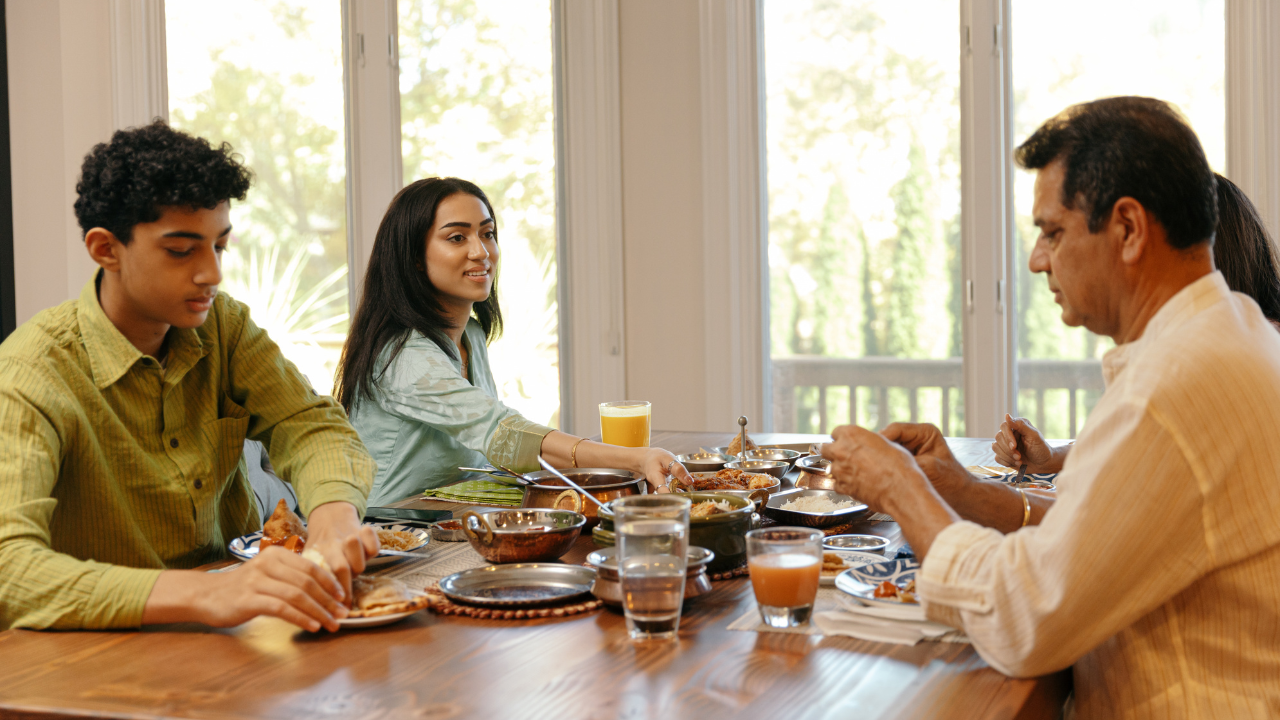
File photo
In many Indian families, parenting has quietly become a competitive sport. Parents compare schools. Children compare marks. Relatives compare achievements. One child is preparing for IIT in Class 8. Another has already won national-level competitions. Someone else’s daughter is learning coding, robotics and French. Without realising it, many parents begin planning every hour of a child’s life because standing still feels risky.But confidence doesn’t come from having a perfect childhood. It comes from overcoming imperfect moments. These experiences teach resilience far better than constant rescue ever can.
So, what should parents do?
You don’t have to stop helping your child. You just need to help differently. The next time your child comes to you with a problem, resist the urge to jump in immediately. Instead of saying, “I’ll handle it.” Try asking, “What do you think you can do first?”That one question teaches more than a lecture ever will.
Small changes that build big confidence
- Let your child pack their own school bag.
- Allow them to order food at a restaurant.
- Encourage them to talk to teachers when there’s a problem.
- Give them age-appropriate responsibilities at home.
- Let them experience the consequences of small mistakes instead of rescuing them every time.
- Praise effort and persistence more often than marks.
Every parent wants to protect their child. That’s never the problem. The real challenge is knowing when to hold your child’s hand and when to let go. Because one day, they will have to face the world without you standing beside them. The best preparation isn’t removing every obstacle from their path. It’s giving them enough chances to discover that they can climb over those obstacles on their own.