


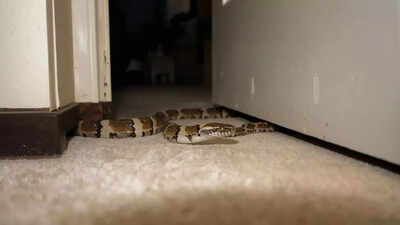
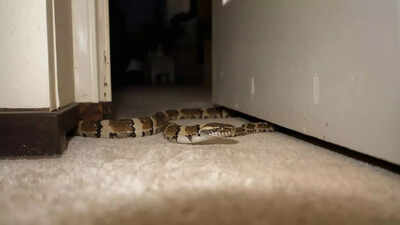
Snakes are among the most misunderstood animals in human surroundings. For many people, the fear begins not with an actual encounter, but with the uncertainty of where a snake could be hiding and why it might appear near a home at all. In reality, snakes do not seek out humans. They are quiet and careful animals that spend most of their lives trying to stay out of sight and save energy. But snake sightings are becoming more common near homes, gardens, construction sites, and farms in cities, towns, and rural areas.This rise in encounters is often linked to changing landscapes, seasonal weather patterns, and the availability of shelter and food. Snakes respond strongly to temperature. Extreme heat and cold influence where they rest, hunt, and hide. Human environments unintentionally provide many of the conditions snakes look for, such as shade, moisture, warmth, and small prey like rodents and frogs.Understanding where snakes prefer to take shelter, how weather affects their movement, and what attracts them to gardens can help reduce surprise encounters. It also helps people do things that will keep them safe and working. Families can reduce the risks and let snakes stay in the ecosystem without any problems by learning how they act instead of being afraid of them.
The most common places snakes like to hide
Snakes like places where they can hide from predators, the temperature stays the same, and they can easily get to food. They don’t stay in open spaces for very long. They stay hidden by using both natural and man-made cover.Rock piles, thick bushes, tall grass, fallen logs, wood stacks, debris piles, and abandoned burrows made by rodents are all common places to hide. Snakes can hide in urban and semi-urban areas under concrete slabs, in drains, under stairs, or along boundary walls that have cracks and gaps.The weather is a big factor in these choices. When it’s hot outside, snakes look for cooler places to stay so they don’t get too hot. Preferred shelters include underground burrows, shaded corners of gardens, compost pits, and places near water sources. Basements, crawl spaces, garages, and areas under floors stay cooler than the ground outside and may attract snakes in the summer.In colder weather, the shelter pattern changes. Snakes move toward insulated spaces that protect them from falling temperatures. They retreat deeper underground into burrows, rock crevices, gaps under foundations, and unused drainage lines. Brumation is a time when many species stop moving around and stay hidden for weeks or months until things get better. These shelters help them stay alive during cold spells without having to move around all the time.
Why snakes seek shelter in human spaces
Snakes do not enter homes or gardens by intention. They are drawn in by conditions that match their basic survival needs.One of the main reasons is the presence of food. Rodents, lizards, frogs, and insects thrive near human settlements, especially where waste is poorly managed or vegetation is overgrown. Snakes follow this prey.Shelter is another factor. Construction activity, deforestation, and land clearing destroy natural hiding spots. As a result, snakes adapt by using alternative shelters such as sheds, storage areas, unused rooms, and stacked materials near houses.Changes in temperature throughout the year also affect movement. When it’s hot outside, snakes go to places that are shady and wet. When it’s cold outside, they move toward warmer, more protected areas. Homes, garages, and gardens often provide both, making them safe places to stay during bad weather without meaning to.The amount of water available is also important. Leaking pipes, garden ponds, water tanks, and open drains draw in both prey animals and snakes, especially when it’s dry.
Common places where snakes like to hide
Piles of wood or debris
- Stacked firewood, lumber, broken boards or unused bricks provide perfect hiding spots. The spaces between objects trap heat and offer shade at the same time. Snakes also have a ready food supply in these piles, because rodents use the same hideouts. This makes wood or debris piles a dual attraction.
Compost heaps and leaf litter
- Compost piles and thick layers of leaf litter create warm and moist conditions that are ideal for snakes. The decomposition process warms the inside of a compost heap, and insects and small animals are often present as well. This makes it a welcoming environment for snakes.
Long grass and dense vegetation
- Tall grass, ground covers and dense plantings hide snakes from view and provide shade. In late summer and early autumn, these areas can become warmer than the surrounding spaces, especially if the ground is covered by plants. Snakes will use this cover to shelter during the heat of the day and hunt for food.
Under rocks and garden containers
- Loose stones and potted plants that are not moved often create small, cool shelters. When stones are stacked or pots are set close to the soil, a cool gap is created that snakes can slip into. On hot days, the temperature under rocks and heavy pots stays lower than the surrounding ground, which attracts snakes.
Hollow spaces in walls and foundations
- Gaps in house foundations, stone borders and retaining walls provide safe passage routes for snakes. They allow snakes to move unseen and are especially attractive at night. If gaps are large enough for a small animal to squeeze through, it is usually large enough for a snake as well.
Water sources and irrigation systems
- Snakes need water and are naturally attracted to ponds, bird baths, irrigation channels and leaking pipes. A garden that is watered regularly or that has areas of standing water becomes a draw for frogs, insects and other prey animals. Where prey gathers, snakes follow.
How to snake-proof your home and garden
Snake-proofing does not mean sealing a space completely. It means making it less likely for snakes to come in the first place.Trim your plants and don’t let your lawn get too big. Get rid of piles of trash, extra wood, and building materials. Store firewood off the ground and away from walls.Fill in cracks in walls, floors, and foundations. Put a fine mesh over drains, vents, and other openings that are close to the ground. Make sure the doors fit tightly, and there are no gaps under them.Keep your home clean and keep food waste safe to keep rodents away. Stop water from sitting still and fix leaking pipes. In gardens, cut back on thick ground cover close to the house and keep the edges clear.Extra caution is helpful during bad weather. Check shaded storage areas often in the summer. In the winter, check basements, garages, and crawl spaces that stay warm and don’t get disturbed.
Understanding snake behaviour reduces risk
Snakes are very important for keeping pests under control and the environment in balance. Most snake bites happen when the snake is scared, cornered, or stepped on by accident. People can stay away from those situations if they know where they hide and why they move.Households can greatly cut down on unwanted encounters by taking care of their shelter, food sources, and seasonal risks. Being aware, not afraid, is still the best way to live safely with wildlife.