


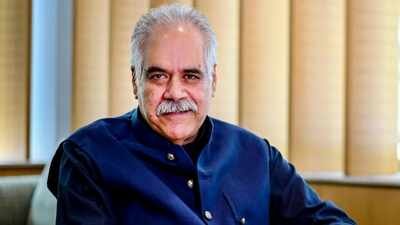
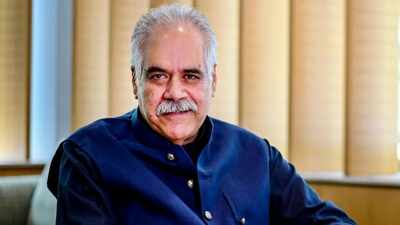
Months after widespread IndiGo flight disruptions, the airline’s Managing Director Rahul Bhatia has urged the government to revisit the new Flight Duty Time Limitations (FDTL) rules. He argues that the current framework reduces pilot productivity, drives up airline costs and leaves the country’s aviation industry “uncompetitive” against international counterparts.IndiGo, which held a 66.3% share of the domestic aviation market in June, came under the regulator’s scanner after operational disruptions in December 2025 led to the cancellation of 2,507 flights over three days. The Directorate General of Civil Aviation (DGCA) subsequently attributed the disruptions to excessive optimisation of operations, inadequate regulatory preparedness, software shortcomings, and weaknesses in management structure and operational control. It also directed the airline to reduce its winter flight schedule by 10%.The DGCA later allowed IndiGo temporary relief in implementing the revised FDTL norms until February 10.
IndiGo MD’s criticism of new pilot duty rules
“I think Flight Duty Time Limitations (FDTL) needs a review, and I think there’s enough conversation going on with the government. All we want to do is appeal to the government that we must follow the global best practices,” Bhatia told PTI in an interview.His comments mark one of IndiGo’s strongest public objections to the revised FDTL regulations, which took effect in November 2025 and were a key factor behind the widespread flight disruptions the airline experienced during last year’s peak travel period.The DGCA rolled out the updated FDTL rules in phases last year with the objective of reducing pilot fatigue.The revised regulations extended mandatory weekly rest for pilots from 36 hours to 48 hours, imposed tighter restrictions on night operations by limiting duty hours and the number of night landings, and recalculated duty periods to better reflect circadian rhythm and fatigue. While airlines maintained that the changes would increase staffing requirements and operating expenses, pilot associations supported the revised norms, describing them as an overdue step to strengthen aviation safety.“We were in the eye of the storm” during the implementation of the new rules,” Bhatia said.Bhatia said the current policy has significantly reduced cockpit productivity, making Indian airlines less competitive globally while pushing up operating costs. “So when you come up with a policy where the productivity in the cockpit diminishes to the extent it has, it makes Indian aviation uncompetitive,” he said. “It directly impacts the cost structure.” He added that airlines were not seeking lower safety standards but wanted regulations that are consistent with global practices.Emphasising that safety remains a priority for all airlines, Bhatia said, “If India wants to compete with the world, then one cannot have FDTL regulations that are so far off the mark from global benchmarks that it actually drives a deep wedge into your efficiency.” Calling aviation a “fine margin” business, he added: “It would be unfair for us to say that the FDTL regulations, I’m just taking an example, in the US is less safe than the FDTL regulations in India.“In its 2025-26 annual report released this week, the airline said the revised crew rostering regulations created operational challenges during the peak travel season, resulting in delays, flight cancellations and service disruptions.Bhatia, who is also IndiGo’s Co-Founder, reiterated that aviation is a “fine margin” business where every cent counts.As of the end of March 2026, InterGlobe Aviation Ltd, which operates IndiGo, employed 41,907 people, including 5,786 pilots and 11,203 cabin crew members. The airline operates more than 2,100 flights each day with a fleet of over 400 aircraft.