


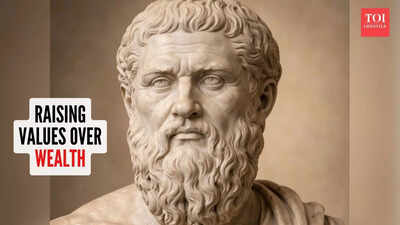
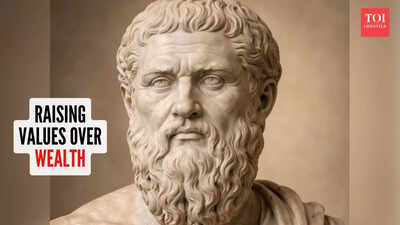
When Plato says parents should give children “the spirit of reverence” instead of riches, he points to something deeper than money. He talks about values, respect, and inner discipline. These are things children carry for life, even when comfort, status, or money change. In a world that often measures success by wealth, this quote gently asks parents to pause and rethink priorities.
What Plato really meant by “reverence”
Reverence does not mean fear or blind obedience. It means respect, for people, for life, for learning, and for limits. A child with reverence learns that not everything exists to be used or won. They learn to value effort, time, and relationships. This mindset builds humility and responsibility, two qualities money alone can never buy.
Why riches alone fall short
Wealth can provide ease, but it cannot guide choices. Children who grow up with only material comfort may struggle when things do not go their way. Reverence teaches patience during failure and gratitude during success. It helps children understand that worth is not tied to possessions, but to actions and character.
How daily behaviour teaches more than lectures
Children rarely learn values from long talks. They learn from small, repeated moments. When parents speak respectfully to elders, apologise when wrong, or show care for workers and helpers, children notice. These quiet actions send a stronger message than rules written on paper. Reverence grows when it is lived, not preached.
Allowing children to see limits and consequences
Shielding children from every difficulty may feel loving, but it can weaken respect for effort and boundaries. Letting children face fair consequences builds reverence for rules and choices. It teaches that actions matter and that responsibility is not punishment, but guidance for growth.
Teaching respect for things that cannot be bought
Nature, time, and human emotions have no price tag. When parents encourage care for books, plants, or shared spaces, children learn respect beyond ownership. Simple habits like waiting patiently, listening fully, or finishing what was started quietly shape inner discipline.
Passing values that last beyond childhood
Money can be spent, lost, or inherited without effort. Reverence stays active throughout life. It helps children become adults who value learning, treat others with dignity, and make thoughtful decisions. This is the kind of inheritance that supports them long after childhood ends.Disclaimer: This article is meant for general reflection and parenting insight. It does not replace professional advice or individual guidance. Parenting approaches may vary based on family values, culture, and personal circumstances.