


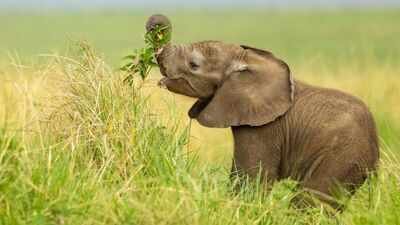
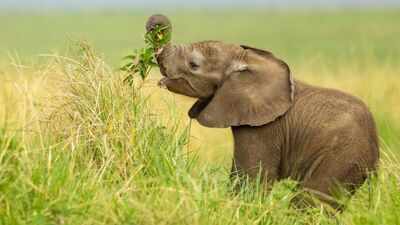
This is the real story of Hatikhuli-Ronghang, a village that did not defeat elephants, but became the one that learned how to live with them, peacefully and in harmony. For villagers living along the Nagaon–Karbi Anglong border, wild elephant herds could ruin their hard work in a few hours. Elephants would raid their paddy fields and crops were trampled. Villagers won’t sleep thinking about what the next night might bring. It was not a simple conflict between people and wildlife; it was also one of the prominent symptoms of shrinking habitat along an old elephant movement route.But what villagers did is not only commendable, it’s also a successful living example that wildlife and humans can coexist.Let’s dig in more and find out the interesting story of Haithkhuli:The tale of coexistenceHatikhuli-Ronghang tells a very different story. Instead of trying only to drive elephants away, the village has helped create a safe space where the animals can find food without ruining farmers’ fields. It’s a remarkable thought and successful story. The community-led conservation experiment has shown ways not to harm innocent wildlife to survive.People here grow grass, paddy and fruit for elephants. It’s a transformation closely linked with Hati Bondhu, meaning “Friends of Elephants”, an initiative founded by environmentalist Pradip Kumar Bhuyan and conservationist Binod Dulu Bora.

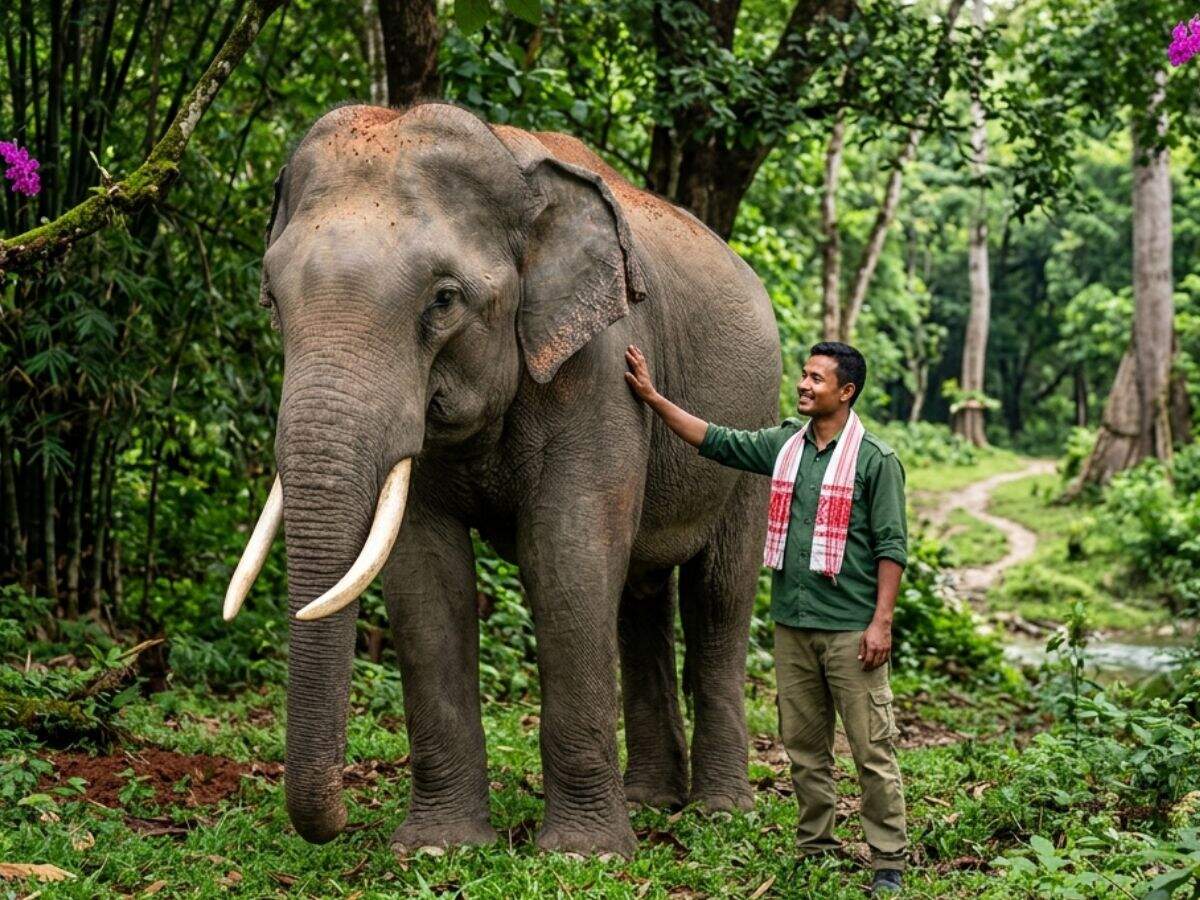
On World Elephant Day, the Assam man’s bond with an elephant has left users gushing. (AI-generated image from Google Gemini)
The aim is simple: understand why elephants enter farms and address their issue which clearly was shortage of food along their traditional routes.Hatikhuli, an elephant feeding groundHatikhuli is where the plains meet the foothills of Karbi Anglong and the region is mainly used by elephants moving between forested hills and the plains in search of food.

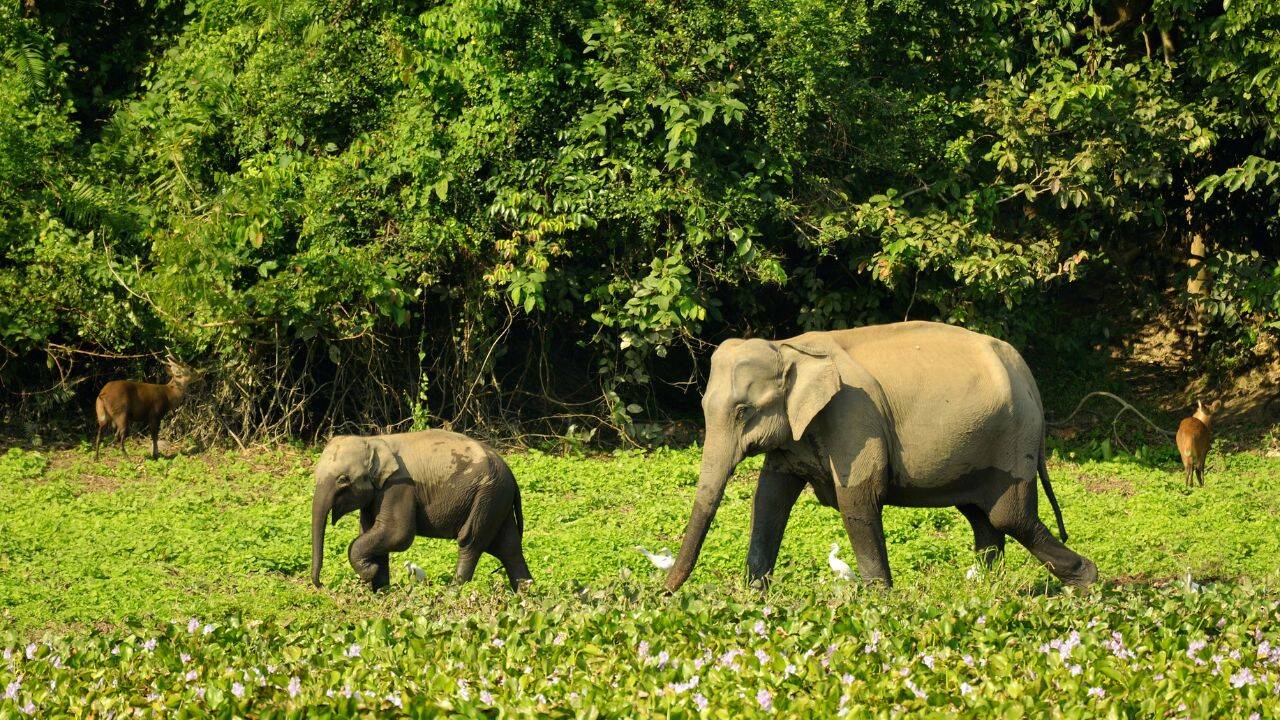
Elephant Fam (Canva)
As natural habitat became increasingly fragmented, cultivated fields became an easy source of food, particularly when paddy ripened. And this is where Hati Bondhu started identifying elephant routes and creating food sources along the route.Villagers treating elephants as their friendsHere, villagers did not treat every elephant as an intruder. They selected land and used them to grow food for elephants like Napier grass, paddy, jackfruit and elephant apple. Elephants love these fruits.Hati Bondhu’s own documentation also records plantations of Napier and tiger broom grass to enrich degraded habitat. The idea is to give elephants an alternative before they reach the crops grown for humans.An idea that changed everythingReports from the region describe farmers who had once stopped cultivating paddy because of repeated elephant raids now returning to their fields. In 2024, farmers in Hatikhuli-Ronghang reported harvesting paddy safely after years of fearing that elephant herds would destroy their crops.
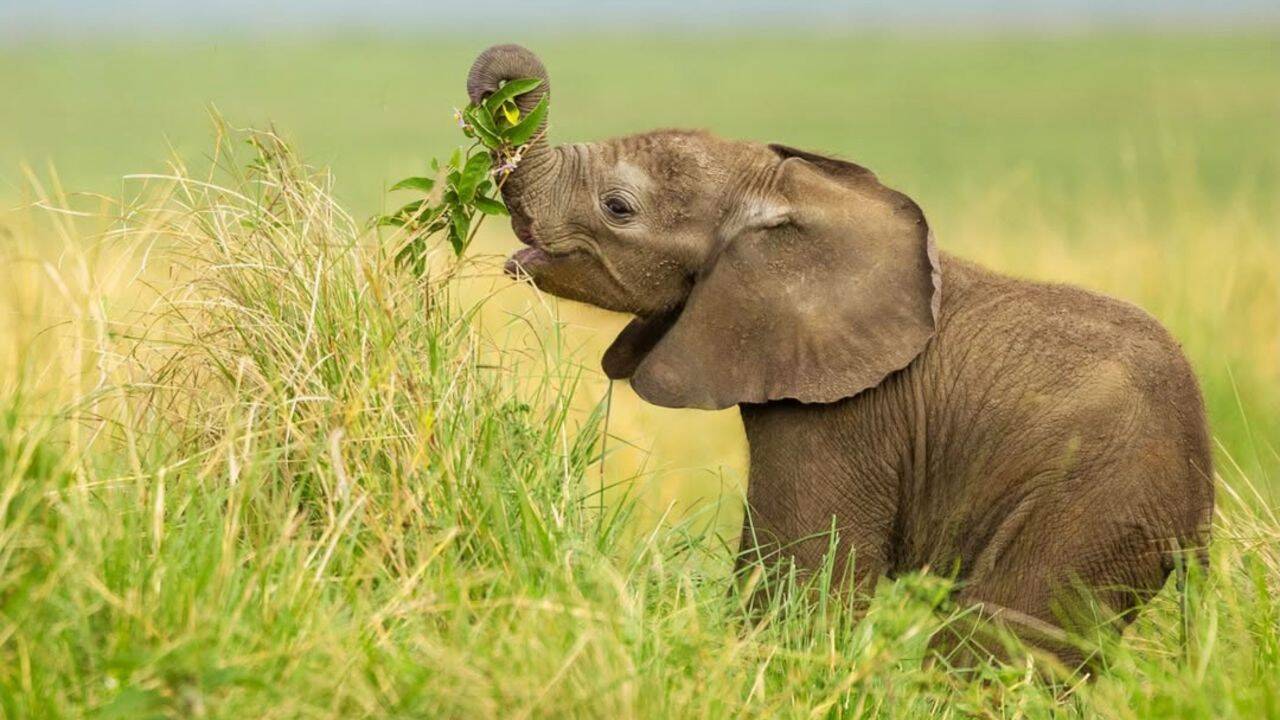
Baby elephant eating (Canva)
The scale of the wider conservation effort is also significant. More than 800 bighas, roughly 266 acres have been reported as being converted into elephant feeding areas across the initiative’s landscape. The region has also recorded a dramatic reduction in serious human-elephant conflict.A village worth visitingFor travellers, Hatikhuli offers more than a conventional wildlife safari. It offers a perfect opportunity to understand conservation from the perspective of the people who live alongside wild elephants.The most fascinating experience is not necessarily spotting an elephant from a safari vehicle. It is seeing how an entire community has changed its relationship with the animal.Depending on the season and local conditions, visitors may see elephants feeding in cultivated areas, particularly during the months when herds move through the landscape.
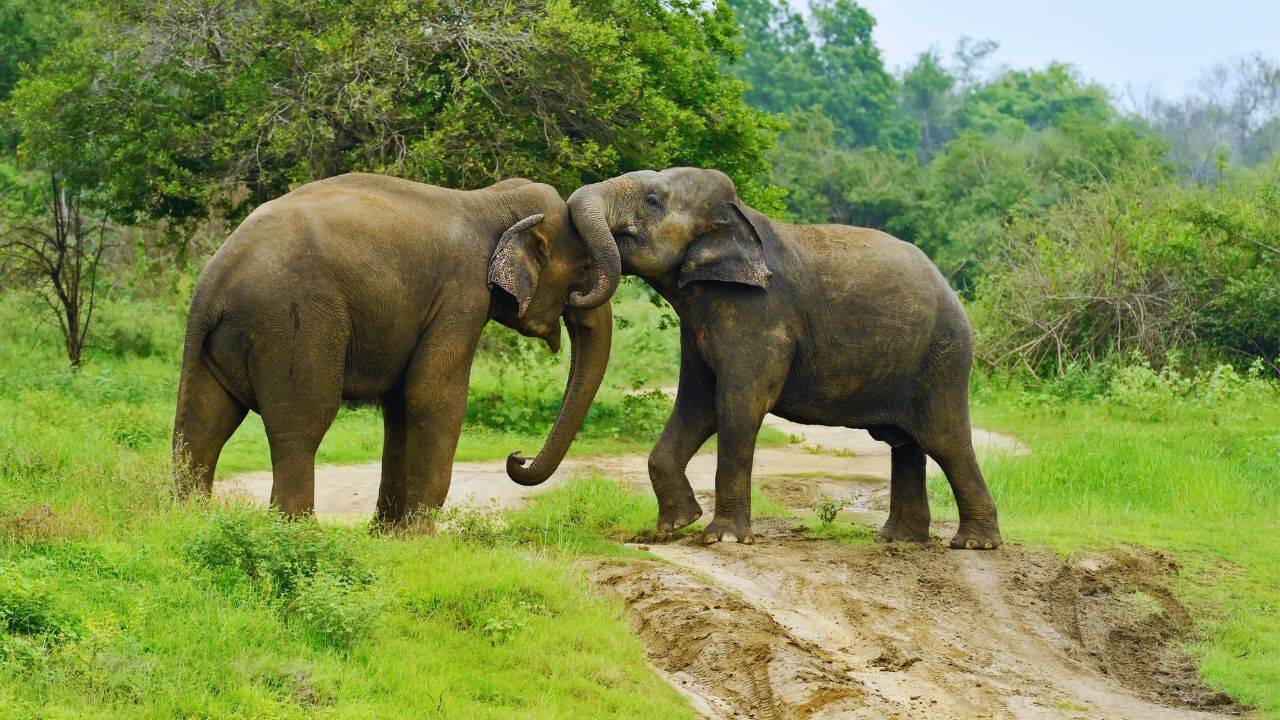
Elephants Playing (Canva)
Local conservation volunteers can also explain how elephant routes are identified, why particular grasses and fruits are planted and how feeding areas help protect agricultural fields.The village also offers a glimpse of rural Assam.Best time to visit HatikhuliThe elephant movement and feeding activity is seasonal. Reports indicate that August to December can be an especially interesting period, with elephant activity linked to the availability of cultivated food and the post-monsoon landscape.How to reach Hatikhuli-Ronghang
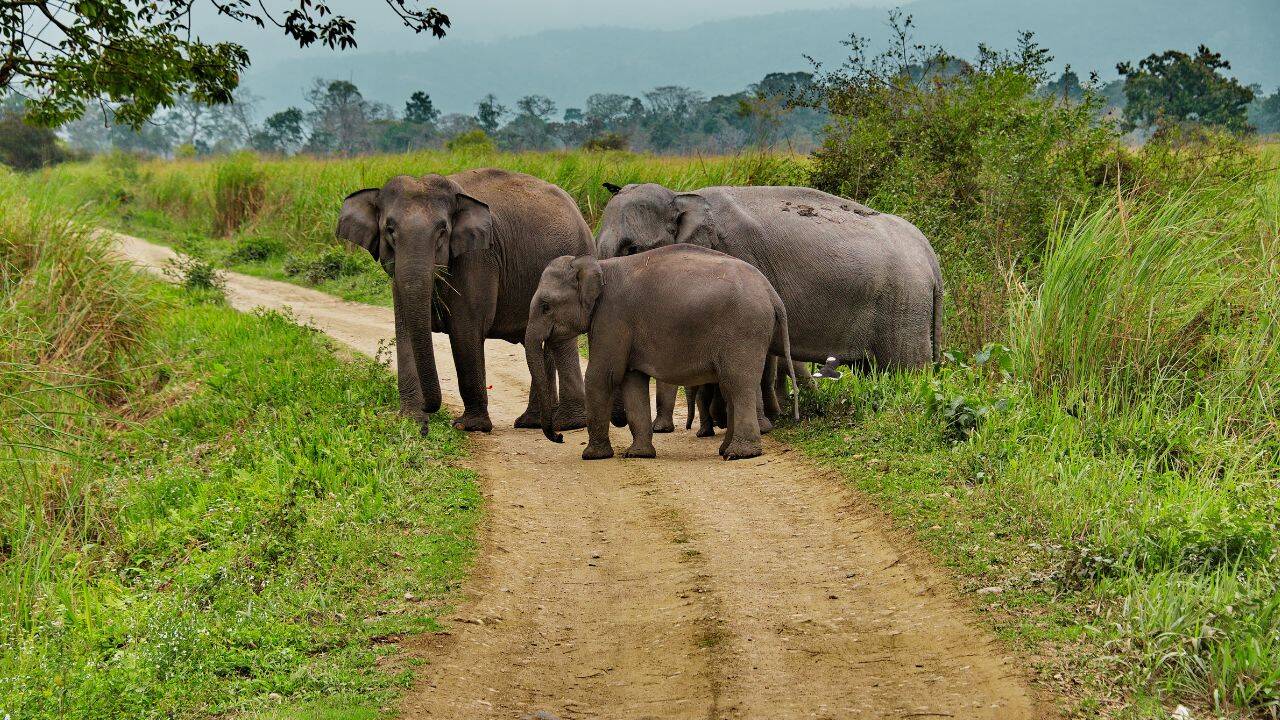
Elephants crossing (Canva)
By air: Lokpriya Gopinath Bordoloi International Airport in Assam connects the city with major Indian destinationsBy train: Guwahati Railway Station and Kamakhya provide extensive rail connections.From Guwahati, travellers can hire a private vehicle or taxi and continue by road towards the Nagaon/Karbi Anglong region.For travellers exploring Assam, the most amazing sight in this village may be an elephant eating grass in a field where, not long ago, its arrival would have been feared.