


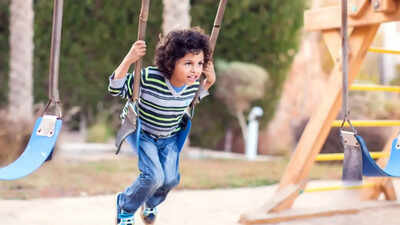
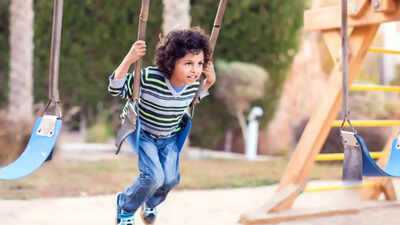
Childhood does not stay in photo albums. It stays in the body, in habits, in the way a person reacts to love, stress, and failure. What children remember is rarely about expensive toys or big vacations. It is about how life felt at home.Many parents try to do everything right. But children are not measuring perfection. They are absorbing patterns. They remember tone, timing, and the small, repeated moments that shape their sense of safety and self-worth.
Here are 10 things children carry with them long after they grow up.
The invisible shield: how safe home really felt
Children may not use the word “security,” but they feel it deeply. A calm home, where voices do not turn sharp without warning, builds a quiet confidence.When a child knows that nothing bad will happen if they make noise, ask questions, or simply exist, they relax into being themselves. That feeling becomes their baseline for every relationship later.
The moments they were truly listened to
Every child talks. Not every child feels heard.There is a difference between hearing words and receiving them. When a parent pauses, makes eye contact, and responds with care, the child feels important. Those moments teach them that their thoughts matter. Without that, they may grow up doubting their own voice.
How their biggest emotions were handled
Tantrums, tears, anger, these are not just phases. They are lessons in emotional safety.If a child is mocked, ignored, or punished harshly for big feelings, they learn to hide them. But when emotions are guided instead of shut down, children learn how to process what they feel. That skill stays for life.

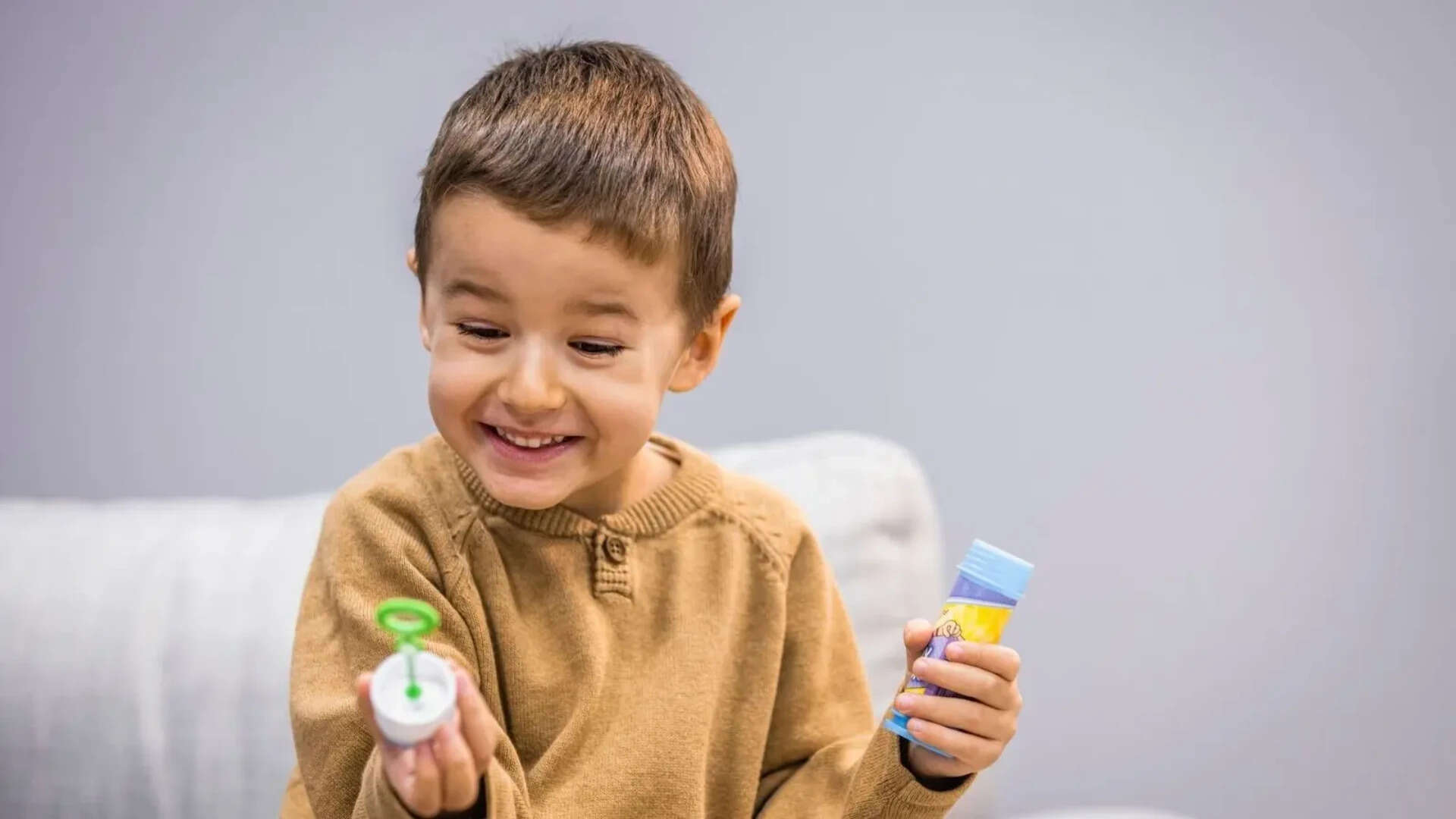
These experiences shape how they see themselves and the world as they grow.
What happened when they made mistakes
Every child breaks something, lies once, or fails badly. What matters is what follows.If mistakes bring fear, children learn to avoid honesty. If mistakes bring conversation and guidance, they learn accountability. They remember whether they were treated like a problem or like a person learning.
Who showed up when things got hard
Struggles leave a strong imprint. A bad day at school, a lost competition, a friendship falling apart, these moments matter.Children remember who sat with them, who stayed patient, and who made them feel less alone. That memory shapes how they seek support in adulthood.
The ordinary days parents chose to play
Play is not extra time. It is connection in its purest form.A parent joining a silly game, building something together, or just laughing over nothing tells the child, “You are worth my time.” These moments often matter more than planned outings.
The sound of laughter in the house
Every home has rules. But not every home has lightness.Children remember whether laughter was common or rare. A home where people laugh together feels safe and alive. It teaches children that joy can exist even in imperfect situations.
The small traditions that felt like magic
It could be Sunday breakfasts, bedtime stories, festival rituals, or even a special handshake.Traditions do not have to be big. What matters is consistency. These rituals give children something to hold onto. They create a sense of belonging that stays even when life changes.
How parents treated other people
Children are always watching.They notice how parents speak to helpers, relatives, strangers, and each other. Respect, kindness, and patience become silent lessons. These observations shape how children treat the world.
The feeling that defined “home”
Home is not just a place. It is a feeling.Was it warm or tense? Welcoming or unpredictable? Did it feel like a space to rest or a space to be careful? That emotional memory becomes the blueprint for what children later call comfort.
A truth parents often miss
Children may forget what was bought for them. But they do not forget how they were made to feel, again and again.These memories are not built in grand moments. They grow in daily interactions, in tone of voice, in presence, and in patience.Disclaimer: This article is for general awareness and reflection. Every child and family is different. Parenting approaches may vary based on individual needs, culture, and circumstances.