


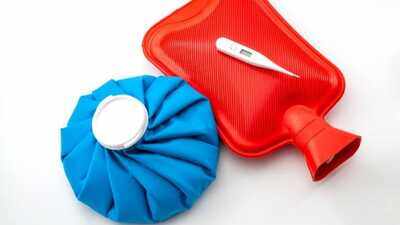
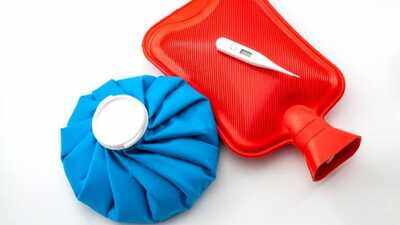
Most people immediately try to alleviate the problem associated with pain using ice packs or a heating pad. However, the inappropriate treatment method can either hinder recovery or even aggravate the problem. Even though cold therapy and heat therapy are two popular methods to relieve pain, they differ in mechanism of action, which affects their suitability to particular injuries and conditions. The right choice will help minimise swelling, reduce pain, and speed up the recovery process. The following are some basic guidelines for selecting the appropriate method of pain alleviation.
Situations when the application of ice is better
Cold therapy is normally prescribed for acute injuries causing swelling or inflammation. Application of ice immediately after sustaining the injury (for example, after spraining your ankle, suffering from bruises or any impact) helps constrict blood vessels, restricting blood flow to the injured place and limiting swelling, numbing pain and reducing inflammation. It is advisable to apply ice during the first 24 to 48 hours after sustaining the injury. An ice pack should always be wrapped in a towel and never be applied directly to the skin.
Situations when heat therapy will be helpful
Heat therapy helps to alleviate muscle stiffness and chronic aches that have been developing for a while. Heat improves blood circulation, increasing the delivery of oxygen and nutrients to muscles and relaxing them. It is widely used prior to exercises and stretching to increase muscle flexibility. It is not advisable to use heat after suffering from a recent injury due to its capability of aggravating swelling.
Why ice reduces inflammation
One of the greatest advantages of using ice is connected with the possibility of decreasing inflammation. Conditions such as ankle sprains, sports-related injuries and other minor joint injuries respond very well to the application of ice in the early stages. Besides, thanks to ice being able to temporarily reduce the activity of nerves, it is possible to decrease pain sensations. Application of ice for 15 to 20 minutes once is enough.
Why does heat alleviate muscle tension
If the source of pain is not connected with swelling but with muscle tension, it is necessary to use heat to alleviate it. Increased blood circulation due to heat helps to decrease muscle stiffness. Heat therapy is often used to alleviate back pain, neck tension, menstrual cramps, and mild arthritic pain. However, heating pads should not be applied during sleep as it can cause burns due to prolonged exposure.
Some conditions require cold and heat
There are some injuries and chronic conditions that require alternating the application of cold and heat at certain stages of treatment. For example, ice is often applied immediately after physical activity if inflammation appears, whereas heat is useful for relaxing muscles before exercising or physical therapy. Contrast therapy should be used only in cases of reduced swelling under the guidance of a doctor.
When should you visit the doctor
It is important to note that although cold therapy and heat help to alleviate most common aches, they cannot substitute for medical examination. Such signs as severe pain, noticeable swelling, inability to bear weight, numbness, deformity and other factors should be considered carefully by a doctor. Unreasonable application of home remedies without knowing the root cause of the pain might lead to further complications.
Disclaimer:
This article is for general informational purposes only and should not be considered medical advice. Consult a qualified healthcare professional for persistent, severe, or unexplained pain, or before starting any treatment for an injury or medical condition.