


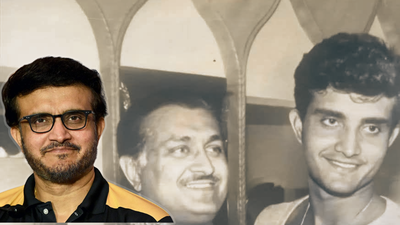
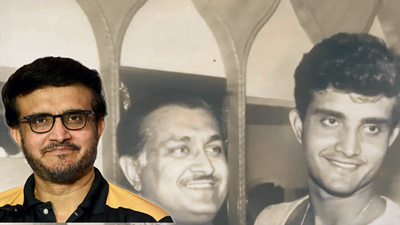
For many modern parents, the morning rush means getting children ready for school, packing lunch boxes and making sure they leave on time. But Sourav Ganguly remembers his school mornings very differently. For him, breakfast was not something he ate by himself before rushing out of the house. It was time spent sitting beside his father, who would personally prepare his food and feed him with his hands before school.In a recent podcast conversation with Oh! Calcutta, the former Indian captain recalled how his father would sit with him every morning and feed him before he left for school.
28 Jul 2026 | 16:22
How do you teach children about money and financial responsibility?
“When I used to go to school at eight o’clock, my father would personally sit beside me, mix meat, rice, and lemon, and feed me before sending me to school with his own hands,” said Dada.He emphasised that his father did not simply serve him food and leave him to eat. “I mean he used to actually pick up the food and put it in my mouth. Every day of my school life,” he recalled.
Dada remembers a breakfast made with care


He also spoke about the different routine followed by the rest of the family.
Ganguly also remembered the small details of the routine. His father would prepare the meal himself, mixing rice with meat and lemon. He would even mash the rice before feeding him. “He would mix it himself in the morning, and it was not just ordinary mixing, he used to mix the rice with meat so that it becomes good,” Ganguly said.The host then asked him a question that many parents today may find surprising: “Did you eat meat in the morning?” “Yes. Eat at eight in the morning so you don’t get hungry all day,” Ganguly replied. But for him, the memory is less about what was on the plate and more about the time his father gave him.
His father’s morning ritual became part of his childhood
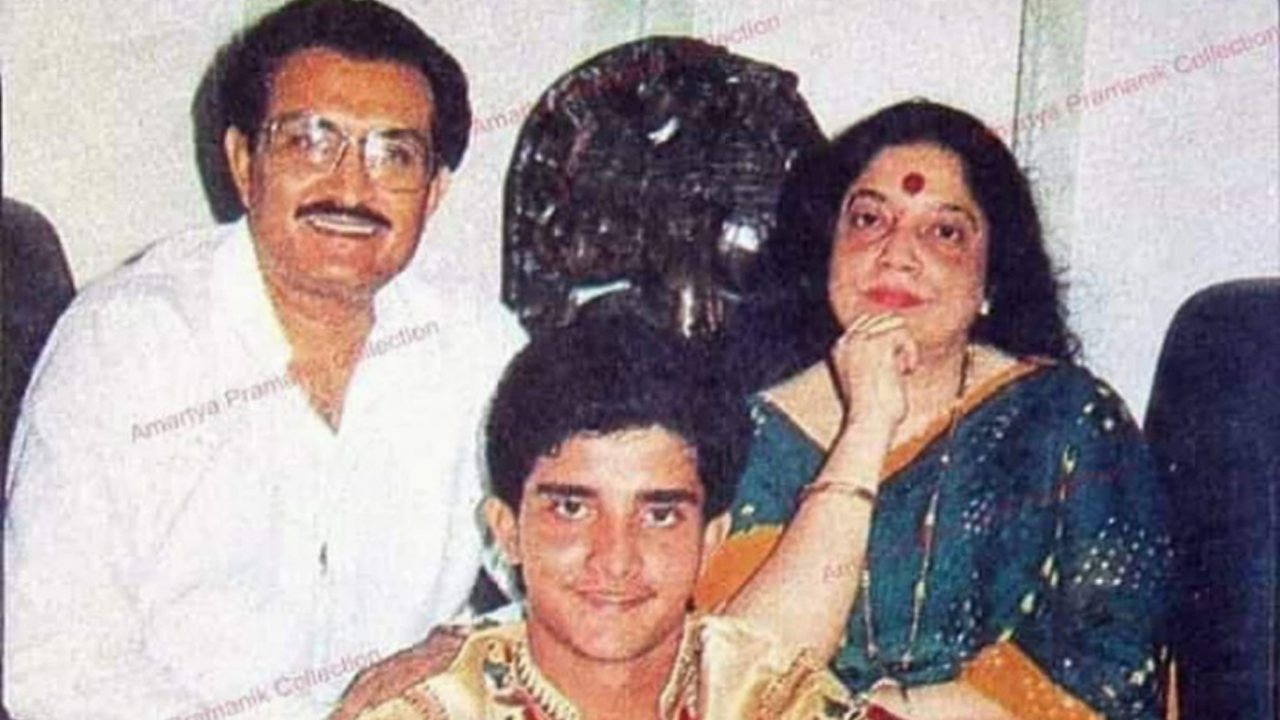
An old picture of Sourav Ganguly with his family.
Ganguly said his father’s breakfast routine was therefore one of the few moments they had together during the school day. “I would leave after waking up in the morning and return at five in the afternoon. That was his time with me,” he recalled.He also spoke about the different routine followed by the rest of the family. “My mother used to stay in the prayer room. Every morning we had to wake up and go there. I had five aunts who also went there. My father fed me and sent me to school,” he said.Looking back, Ganguly described it as a very different world, but one filled with memories he still values. “It’s a different world but great memories,” he said.
The parenting lesson hidden in a simple breakfast
Ganguly’s story is not really about whether children should be fed by hand, or whether they should eat meat for breakfast. The more useful lesson for parents today is about creating a small, predictable pocket of connection in a child’s day.Modern school mornings can easily become a checklist: Wake up. Brush. Get dressed. Eat. Pack the bag. Find the shoes. Leave. In that rush, parents may get everything done but still miss the opportunity to actually spend a few undistracted minutes with their child.Parents do not need to recreate Ganguly’s childhood routine. Instead, they can ask a simpler question: What is the one small thing my child and I can do together every morning?It could be sitting together for breakfast for 10 minutes without phones. It could be helping the child pack the lunch box while talking about the day ahead. For an older child, it could simply be a short conversation while walking to the school bus. The important part is consistency.
Don’t underestimate ordinary parenting rituals
There is also another interesting point in Ganguly’s memory that his father’s involvement was not necessarily a grand gesture. He was simply sitting beside his son and feeding him. That is often what makes childhood memories powerful. Parents tend to think they need to plan special outings, buy expensive gifts or create memorable experiences for their children. But children can attach deep emotional meaning to repetitive, everyday rituals too.As children grow older, these rituals will naturally change. A teenager may no longer want to be fed or accompanied everywhere. But the underlying connection can remain. That may be the most valuable takeaway from Ganguly’s memory.
Make one everyday moment non-negotiable
Parents often look for big ways to bond with their children, be it holidays, outings, birthday celebrations or special activities. But Ganguly’s memory shows why ordinary moments can become extraordinary later.Parents could choose one small daily ritual:
- Breakfast check-in: Ask one question that cannot be answered with just “yes” or “no”.
- School-gate ritual: Talk for two minutes before the child starts school.
- Post-school pause: Ask what made them laugh that day, rather than asking about marks or homework.
- Bedtime connect: Let the child talk for five minutes without correcting, advising or judging.
- Weekend food ritual: Let the child choose one family breakfast and help prepare it.
Ganguly’s story is a reminder that children don’t always need grand gestures from their parents. Parents cannot control which childhood moments their children will carry into adulthood. But they can make ordinary moments warm enough to be remembered.