


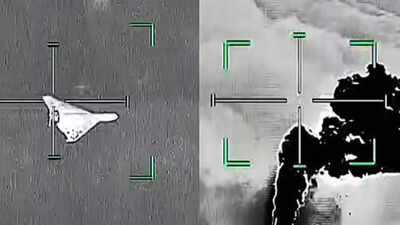

Dubai witnessed a tense moment when debris from a successfully intercepted aerial threat struck a building façade along the city’s iconic Sheikh Zayed Road, highlighting how the expanding regional conflict involving Iran, the United States and Israel is increasingly affecting Gulf states. According to officials, the UAE’s air defence systems intercepted 10 ballistic missiles and 26 drones launched toward the country in a single wave of attacks.Authorities said that the interceptions prevented the projectiles from reaching their intended targets, although fragments from the destroyed weapons fell in several locations across Dubai. One such incident occurred along Sheikh Zayed Road, Dubai’s main commercial artery, where debris from an intercepted projectile struck the exterior of a building.Emergency services were quickly dispatched and officials later confirmed that no injuries were reported in that specific incident, though the event briefly alarmed residents and commuters in the area.
Iran vs US-Israel war spillover reaches the Gulf
The incident comes as the wider Middle East conflict intensifies. Since late February, tensions between Iran and a coalition involving the United States and Israel have triggered missile exchanges and drone strikes across the region. Gulf states, despite not being directly involved in the fighting, have increasingly found themselves within the reach of retaliatory strikes.Military officials said the UAE’s sophisticated air defence network, comprising layered missile interception systems, has been working continuously to detect and neutralise incoming threats. Since the start of the conflict, hundreds of ballistic missiles and more than a thousand drones have been intercepted by the country’s defences, preventing what could have been widespread destruction.Yet even successful interceptions carry risks. When missiles or drones are destroyed mid-air, fragments can fall over wide areas, sometimes striking buildings, vehicles, or open land.
Debris damage in Dubai and rising civilian concerns across UAE emirates amid Iran vs US-Israel war
The Sheikh Zayed Road incident is part of a broader pattern of debris-related damage reported in several parts of the UAE during the ongoing crisis. In other cases, falling fragments have damaged property or caused injuries, underscoring the unpredictable consequences of aerial warfare even far from the main battlefield. Security experts note that the challenge lies in the physics of missile interception. When an interceptor destroys a missile at high altitude, the shattered remains can scatter over large distances depending on the altitude, trajectory, and wind conditions.Previous incidents in the country have demonstrated how dangerous these falling fragments can be. In one earlier episode, debris from an intercepted projectile struck a vehicle, causing a civilian fatality, an event that served as a stark reminder of the risks posed by the ongoing regional escalation. Authorities say they continue to monitor the situation closely and are urging residents to follow official updates and avoid spreading rumours online.
UAE maintains high security alert
Following the latest wave of missile launches, the UAE has remained on heightened alert. Defence officials confirmed that surveillance systems across the country, including radar and early-warning networks, are actively tracking potential threats in coordination with regional allies. Air defence systems in the Gulf have been operating almost continuously since the conflict escalated, with multiple countries, including Saudi Arabia, Bahrain and Qatar, also reporting interceptions of drones and missiles targeting strategic sites.In Dubai, authorities emphasised that emergency response teams quickly secured the Sheikh Zayed Road site and assessed the damage before reopening surrounding areas. Officials also reassured residents that the UAE’s defence infrastructure remains capable of handling such threats, stressing that the majority of incoming projectiles have been neutralised before reaching populated areas.

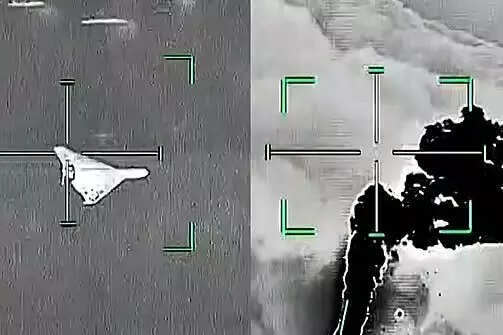
Debris hits a building on Sheikh Zayed Road as the UAE intercepts 10 ballistic missiles.
For many residents of Dubai, long considered one of the safest cities in the world, the sound of air-defence interceptions and missile alerts has been an unfamiliar experience. In recent days, reports of drone incidents and falling debris in several neighbourhoods have raised concerns among expatriates and locals alike. Some businesses temporarily shifted to remote work arrangements, while schools adjusted schedules in response to the evolving security environment.Despite these precautions, daily life in much of the city has continued largely as normal, with authorities working to maintain calm and avoid panic. Observers say the UAE government has focused on transparent communication, providing frequent updates and urging residents to rely only on official information channels.Analysts believe the missile launches toward Gulf countries are part of Iran’s broader strategy of demonstrating regional reach amid its confrontation with the United States and Israel. The Gulf region hosts several critical energy facilities, shipping routes, and military bases used by Western allies. As a result, analysts warn that even limited strikes, whether direct or symbolic, can have significant geopolitical implications.The UAE, however, has reiterated its commitment to protecting national security and maintaining regional stability. Officials have emphasised that defensive operations are purely aimed at safeguarding civilians and infrastructure.
Global stakes and economic risks amid Iran vs US-Israel war
The ongoing conflict has already had global repercussions beyond the immediate security risks. Shipping routes through the Strait of Hormuz, one of the world’s most critical energy chokepoints, remain under intense scrutiny. Any escalation involving Gulf states could potentially disrupt oil shipments, financial markets, and international trade. Energy analysts have warned that sustained instability in the region could trigger sharp fluctuations in global oil prices.For now, the UAE’s successful interception of incoming missiles demonstrates the effectiveness of its defence systems but the falling debris incident on Sheikh Zayed Road illustrates that even successful defences cannot entirely eliminate the dangers of modern warfare. The debris strike on a Sheikh Zayed Road building serves as a stark reminder that the ripple effects of the Iran-US-Israel conflict are reaching far beyond the immediate battlefield.While the UAE’s air defence systems successfully intercepted the missiles and drones aimed at the country, the episode highlights the growing security challenges facing Gulf nations as regional tensions continue to escalate. For residents and businesses in Dubai, the clear message from authorities remains that the country’s defences are holding but vigilance remains essential as the conflict unfolds across the Middle East.