


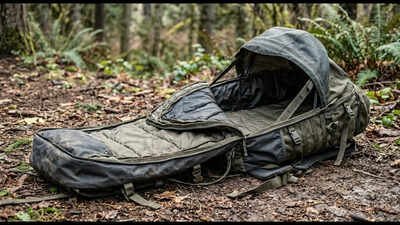
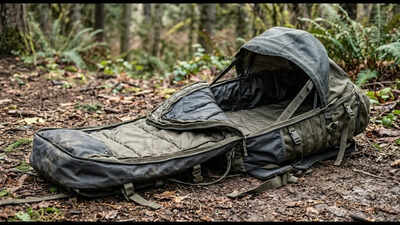
For someone sleeping on the street, a backpack may be little more than a way to carry the few belongings they have left. But the Backpack Bed turns that familiar object into something far more meaningful: a portable place to sleep. Designed for people experiencing homelessness, the emergency shelter combines mobility with protection, allowing users to carry their sleeping space wherever they need to go. According to the organisation behind the project, the Backpack Bed can be carried as an ergonomic backpack and unfolded into an insulated, all-weather sleeping shelter. It is designed to protect users from rain, wind and cold, while its fire-retardant materials provide an additional layer of safety. The design also includes a mattress and storage space, helping users keep essential belongings close while they sleep. It cannot replace permanent housing, but it can offer something urgently needed in the meantime: warmth, protection, privacy and a safer place to rest.
How the ‘Backpack Bed’ transforms into a portable emergency shelter for people without housing
The idea is striking because the Backpack Bed combines several essentials into one compact, portable design. Instead of carrying a separate tent, mattress and bedding, a person can transport the sleeping system on their back and unfold it when needed. According to the organisation, the current version weighs around 3 kg (6.6 lb) and includes a built-in mattress, storage pockets and a full-body mosquito net. When opened, it provides a single-person emergency sleeping space designed to offer protection from difficult outdoor conditions. Its waterproof and windproof construction helps shield users from rain, wind and cold, while fire-retardant materials provide an additional safety measure. The design demonstrates how a relatively simple product can address several immediate challenges faced by people who have no secure place to sleep.
The ‘Backpack Bed’ offers more than shelter by supporting safety, comfort and dignity
The significance of the idea goes beyond simply keeping someone off the ground. Sleeping outdoors exposes people to cold, rain, unsafe conditions and a constant lack of privacy. A portable shelter cannot solve homelessness, but it can make an immediate and difficult situation a little safer. The organisation describes the Backpack Bed as a way of improving dignity, health, warmth, comfort and sleep, while also connecting recipients with homeless-service agencies that can provide longer-term assistance. That distinction matters. The product is not presented as a replacement for permanent housing. It is an emergency intervention for people who have nowhere else to sleep.
A small shelter can restore dignity, privacy and a sense of control
For someone without a permanent home, losing shelter can also mean losing control over some of the most basic parts of everyday life, where to sleep, where to keep belongings and how exposed they are to the people and weather around them. The World Design Organization highlighted this less visible side of homelessness when it documented the experiences of people who had used the Backpack Bed. One recipient described it as feeling like having a “private house”, while another said the shelter meant they were no longer sleeping completely exposed to everyone around them.That sense of privacy is central to the design. Because the sleeping shelter folds back into what looks like an ordinary backpack, users can carry it without necessarily announcing that they are homeless. Lisa Clark, who designed the product with her husband Tony Clark, has said that this discretion gives people dignity. The backpack also contains lockable storage for personal belongings, an important feature for someone whose possessions may have to remain with them at all times.The product was created in Australia, not Germany, and its programme has since reached people through homeless-service agencies across eight countries, including Germany. The organisation says the Backpack Bed has been distributed through more than 1,000 agency partners and is intended as an emergency measure for people sleeping without shelter.The Backpack Bed was born from a straightforward question: what happens when someone who has nowhere to sleep is turned away from a shelter? Tony Clark began developing the idea in 2007 after asking why people sleeping on the streets were not given suitable bedding to protect them through the night. He and Lisa went on to design the Backpack Bed as an emergency sleeping solution.The World Design Organization’s account makes clear that the goal was never simply to put a mattress beneath someone. The design was intended to address the loss of dignity, safety, privacy and security that can accompany sleeping rough. Its waterproof and flame-retardant construction, built-in mattress, cold-weather blanket, insect netting and storage features were brought together in a form that could be carried discreetly.That distinction matters. A Backpack Bed cannot provide permanent housing or address the economic and social causes of homelessness. What it can do is make one night outside less dangerous and less dehumanising while a person remains without a permanent place to live. The organisation describes it as an interim crisis measure, designed to help people survive until housing or other support becomes available.