


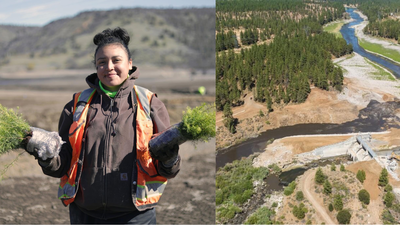
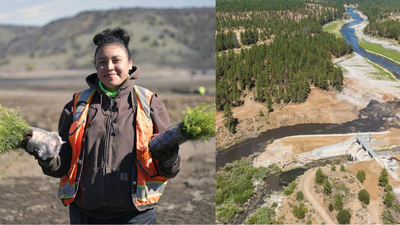
The removal of four ageing hydroelectric dams from the Klamath River marked a historic moment for conservation in the United States, reopening hundreds of miles of waterways that had been blocked for more than a century. But while the demolition captured global attention, the real story began after the reservoirs were drained. Thousands of acres of barren land emerged where water once stood, creating an enormous ecological challenge. Instead of allowing invasive plants to take over, the Yurok Tribe joined scientists and restoration crews to launch one of the country’s largest revegetation efforts. By planting millions of native seeds and thousands of trees and shrubs, they are helping restore an entire river ecosystem.
How the Yurok Tribe is restoring the Klamath River
For the Yurok Tribe, removing the dams was only the first step in bringing the Klamath River back to life. Long before demolition began, tribal members were preparing for the landscape that would emerge once the reservoirs were drained. Starting in 2019, they collected native seeds from forests, grasslands and riverbanks throughout the Klamath Basin. These seeds were grown in nurseries and specialised seed farms so that millions of plants would be ready when restoration work began. The goal was to rebuild the river’s natural ecosystem using vegetation that had evolved in the region over thousands of years.
Why four dams were removed from the Klamath River
The Klamath River flows through southern Oregon and northern California and was once one of the most productive salmon rivers on the US West Coast. However, four hydroelectric dams, Iron Gate, Copco No. 1, Copco No. 2 and J.C. Boyle, blocked fish migration, altered river flows and contributed to declining water quality for decades.After years of negotiations involving tribal nations, conservation organisations, government agencies and utility company PacifiCorp, the dams were removed between 2023 and 2024. The project is recognised as America’s largest dam removal and has reopened more than 400 miles of historic habitat for salmon, steelhead trout and other migratory fish.

What happened after the reservoirs were drained
Once the dams came down, approximately 2,200 acres of former reservoir beds were exposed. The landscape consisted of loose sediment that could easily be eroded by wind and rain. Scientists warned that invasive weeds would quickly spread across the barren ground if native plants were not established immediately.Rather than waiting for nature to recover on its own, restoration crews moved rapidly to stabilise the exposed land. Their work focused on preventing erosion, improving soil health and creating suitable conditions for wildlife to return.
Millions of native seeds are helping rebuild nature
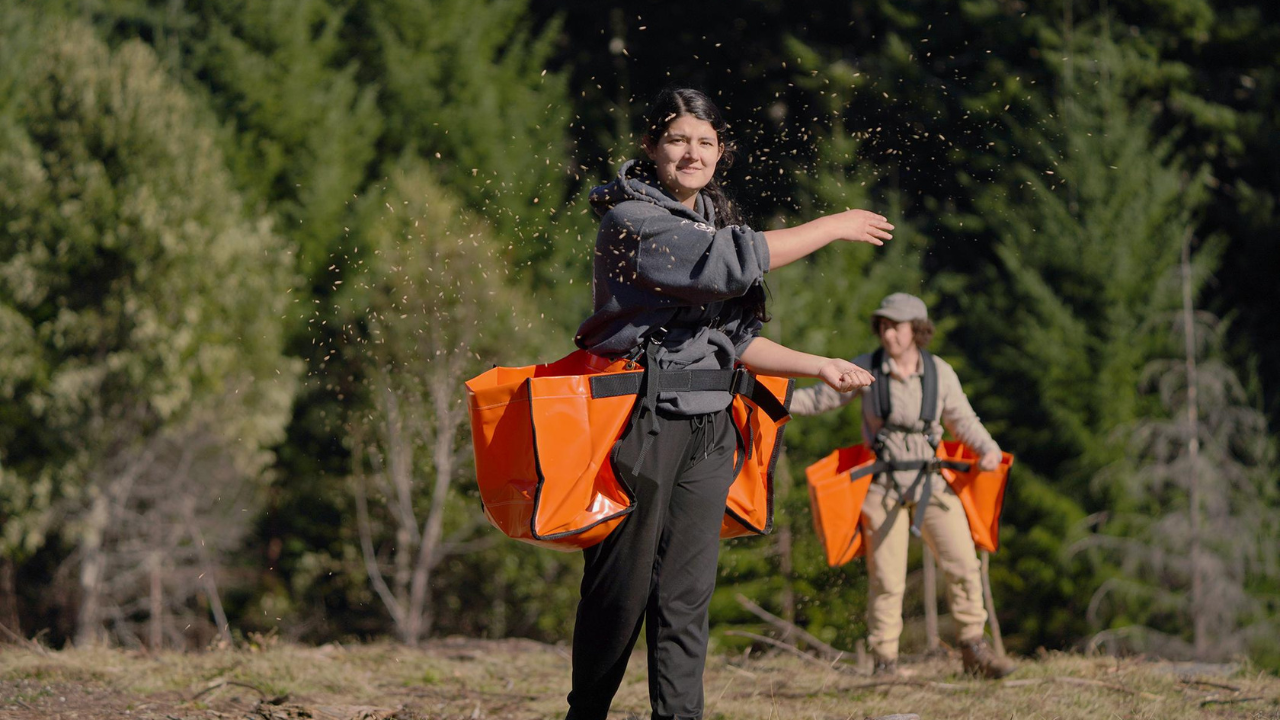
The scale of the planting effort is extraordinary. Restoration teams have hand-sown millions of native seeds collected from the surrounding landscape. They have also planted approximately 76,000 trees, shrubs and bunchgrass plugs, nearly 28,000 acorns and more than 4,200 milkweed plants.Nearly 100 native plant species have been selected to match different elevations, soil types and moisture conditions. Using locally adapted vegetation gives the plants the best chance of surviving while supporting native insects, birds and mammals that depend on these ecosystems.
Native plants are essential for river recovery
The revegetation programme is about far more than making the landscape green again. Native grasses and shrubs stabilise loose soil, reducing erosion into the river. Trees provide shade that helps regulate water temperatures, while flowering plants attract bees, butterflies and other pollinators that are essential for healthy ecosystems.As vegetation becomes established, it also creates habitat for birds, small mammals and countless other species. Over time, these interconnected plant and animal communities help restore the natural balance of the Klamath River watershed.
Salmon are returning after more than a century
One of the biggest successes of the project has been the return of migratory fish. The four dams had blocked salmon from reaching their historic spawning grounds for over 100 years.Since the barriers were removed, salmon have already been observed swimming into stretches of the river that had been inaccessible since the early twentieth century. Scientists expect Chinook salmon, Coho salmon, steelhead trout and Pacific lamprey populations to gradually recover as the restored habitat continues to improve.
Indigenous knowledge is shaping modern conservation
The Yurok Tribe’s leadership has become one of the defining features of the Klamath restoration project. Their deep understanding of local landscapes, native plants and seasonal cycles has guided many of the restoration decisions.Working alongside organisations such as Resource Environmental Solutions and the Klamath River Renewal Corporation, the tribe has combined traditional ecological knowledge with modern conservation science. The partnership is now regarded as a model for large-scale ecosystem restoration around the world.
Restoration is only just beginning
Although the dams have been removed, restoring the river will take many years. Crews continue to monitor vegetation, replace plants that fail to establish, remove invasive weeds and track the recovery of fish and wildlife populations.The Klamath River project demonstrates that removing dams is only one part of ecological restoration. Long-term success depends on continuous care, scientific monitoring and sustained community involvement to ensure the landscape remains healthy for future generations.
A new chapter for the Klamath River
America’s largest dam removal has given the Klamath River an opportunity to recover, but it is the ongoing work of the Yurok Tribe that is turning that opportunity into reality. By planting millions of native seeds and restoring thousands of acres of former reservoir land, they are rebuilding habitats that support salmon, wildlife and native plants alike. Their efforts show that restoring a river is not just about taking down barriers, but about patiently bringing an entire ecosystem back to life.