


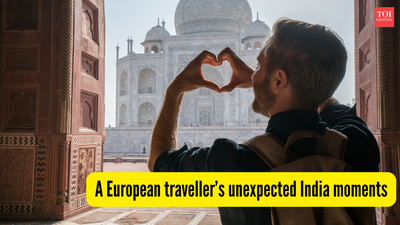
India is often described as a country that tests travellers, emotionally, physically and mentally, especially those visiting solo for the first time. From chaotic roads to stark contrasts between the rich and the poor, and then moments of unprecedented warmth and support, India can be an overwhelming and unforgettable destination for any visitor. However, for tourists across the globe, online forums are now replete with unfiltered experiences that go behind the tour itineraries for solo tourists, particularly, visiting India. One such account (Homoklada420), shared recently on Reddit, is about a European traveller who spent 11 days travelling solo across northern India in September 2024. Moving through Jaipur, Agra, Gwalior and Delhi using only public transport, tuk-tuks and long walking routes, the traveller documented everything from cultural surprises and unexpected kindness to aggressive touts, visible poverty and safety scares. What follows is his journey, and his experiences.


The trip, he says was planned largely using ChatGPT and advice from fellow travellers, turned into a deeply personal experience that revealed not just India’s famous landmarks, but also the uncomfortable realities that guidebooks often gloss over. He says, “I flew from Dubai to Jaipur… I landed at Jaipur airport around 4 am, and to my surprise, security staff escorted me straight to passport and visa control.” He shares that his walking journey across the city began. Jaipur, also known as the Amber City, is beautiful, but incredibly dirty, which he says he later realised that it’s fairly standard across many Indian cities. Almost everyone he met tried to lure me into jewellery shops, workshops or clothing stores. Still, walking through the city and its slums was fascinating, with countless places that felt worth exploring.
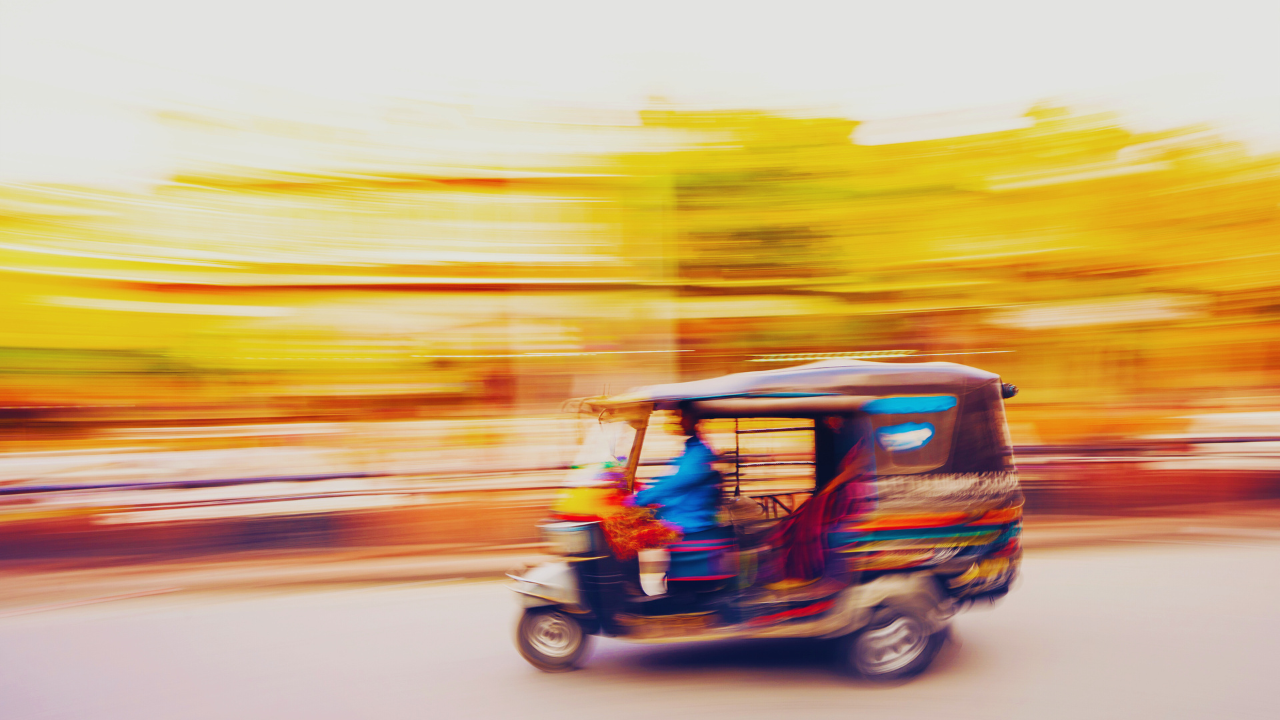
One of the most memorable moments happened when he met a random tuk-tuk driver. He says, “Let’s call him Srini, who stopped and offered me a free ride, saying he just wanted to chat. Eventually, he invited me to his home. It was hard to refuse such a unique opportunity, so I agreed. I got a firsthand look at daily life in the slums. Navigating the maze-like alleys felt surreal. His house was a tiny 3×3 metre room, housing an unknown number of people.Read more: Top 10 hardest countries to get citizenship and why it’s nearly impossible Srini then called his kids over. They brought out musical instruments and started playing Indian music and singing. It was genuinely enjoyable, until they began asking for money. They wanted 3,000 rupees to buy a small sound system to support their musical ambitions. I declined several times. Eventually, Srini accepted it and took me back to the city. I gave him around 300 rupees and said goodbye.” A few days later, he arrived in Agra, a city clearly built around tourism, for good reason. The Taj Mahal is absolutely breathtaking, which he highly recommends arriving right at opening time to avoid the crowds. He shares, “After spending about three hours there, he searched for good viewpoints on Google Maps, and on his way back from one of them, I took what looked like a shortcut through a residential area. That turned out to be a mistake.Read more: Valentine’s Week Special: Famous heart-shaped destinations that are nature’s marvelsA man with bloodshot eyes and a machete blocked my path and demanded 300 rupees to cross his land. I paid without hesitation. The next day, walking through other parts of Agra, I saw people living in conditions worse than anything I’d ever witnessed, almost like animals. Tuk-tuk drivers were begging to give rides for as little as 10 rupees. In front of the Agra Fort, official guides started at 1,500 rupees and dropped to 200 by the time I walked away. It was quite a scene.”
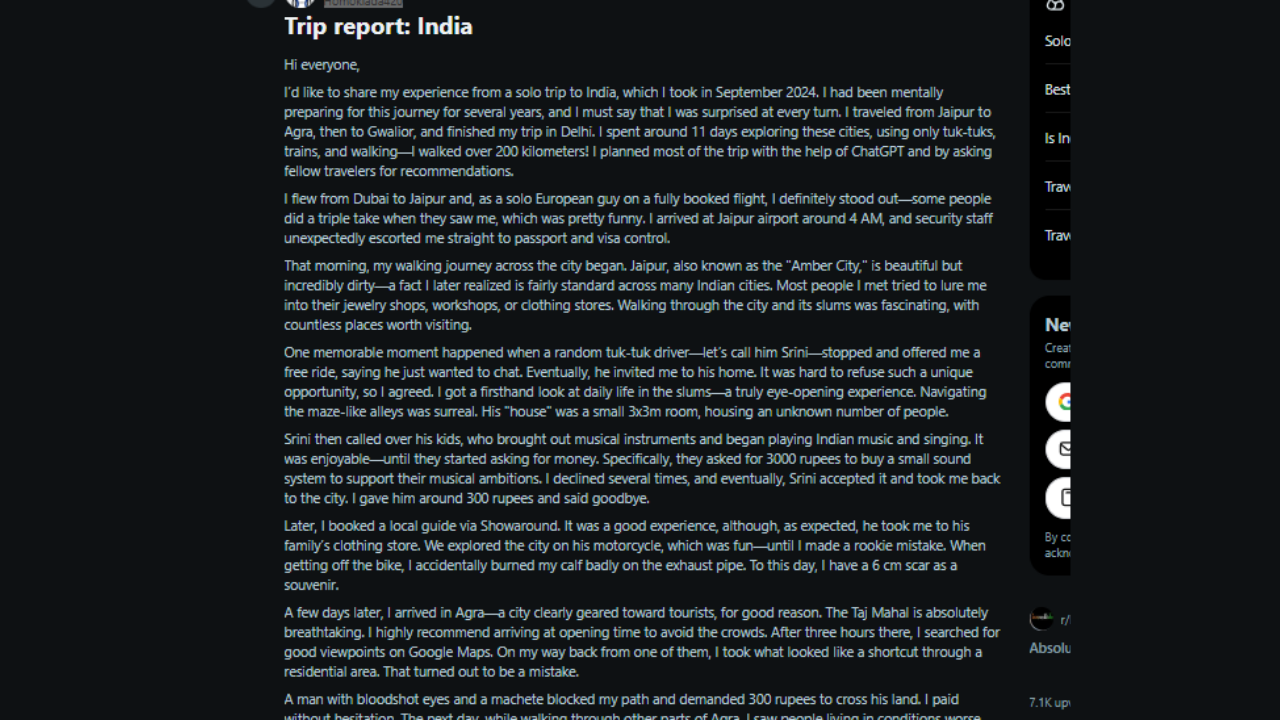
Then came Gwalior, a beautiful and underrated city. There’s an impressive hilltop fort with several temples. He visited the Gurudwara Data Bandi Chhod Sahib, and shares that one shouldn’t hesitate to go inside, as it was a once-in-a-lifetime experience. After the visit, he was offered a simple but delicious free meal.The final five days were spent in Delhi. He adds, “I was surprised by how clean the city centre was, but beyond that, daily life looked very different. In my opinion, more than two days in Delhi isn’t necessary.”Some useful things he learned along the way:Language-wise, many people spoke fluent, understandable English. Prices vary depending on skin colour and language skills, as he was a Czech traveller, he says, “I was almost always quoted the highest price. For example, the Taj Mahal cost me 1,100 rupees, while locals paid 50.I used Uber everywhere, and for trains, the IRCTC website worked well, although verifying your account requires patience. Street food really depends on your gut, I ate it almost daily and had no issues. For the internet, I used an Airalo eSIM, which worked perfectly throughout the trip.”Common scams to watch out for include jewellery shops offering “free tours,” aggressive clothing stores, tuk-tuk or Uber drivers claiming their accounts are blocked, fake charity donations, claims that attractions are closed, overpriced official guides, fake hotel photos on websites, and overly friendly strangers, they usually have an agenda.Disclaimer: The above article is based on a Reddit post and Times of India has not verified the veracity of the claim