


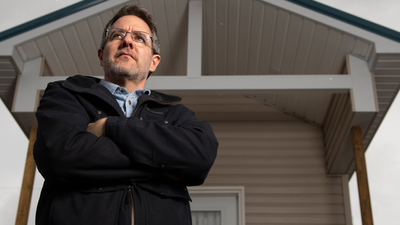
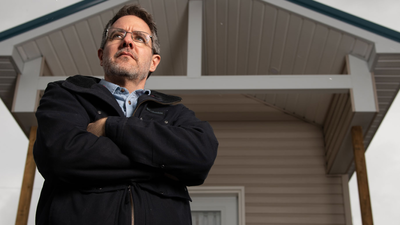
For many people experiencing homelessness, the biggest challenge is not just finding temporary shelter but securing a stable place to rebuild their lives. Emergency accommodation can provide short-term relief, yet it rarely offers the privacy, security and support needed for long-term recovery. In Fredericton, New Brunswick, one Canadian entrepreneur decided to approach the problem differently. After selling his technology company for an eight-figure sum, Marcel LeBrun invested around $1.5 million of his own money to create 12 Neighbours, a community of tiny homes designed to provide permanent housing and opportunities for employment. Combining affordable housing, renewable energy and social support, the initiative has attracted international attention as an innovative model for tackling homelessness.
Who is Marcel LeBrun, the entrepreneur behind 12 Neighbours
Marcel LeBrun is a Canadian technology entrepreneur, investor and philanthropist from New Brunswick. After building and selling his cybersecurity company, Radian6, for an eight-figure amount, he turned his attention to addressing one of his province’s growing social challenges, homelessness.Rather than focusing solely on charitable donations, LeBrun sought to create a sustainable solution that would provide people with both housing and the opportunity to regain financial independence. Drawing on his entrepreneurial background, he envisioned a community where affordable homes, employment opportunities and support services would work together to help residents rebuild their lives with dignity.

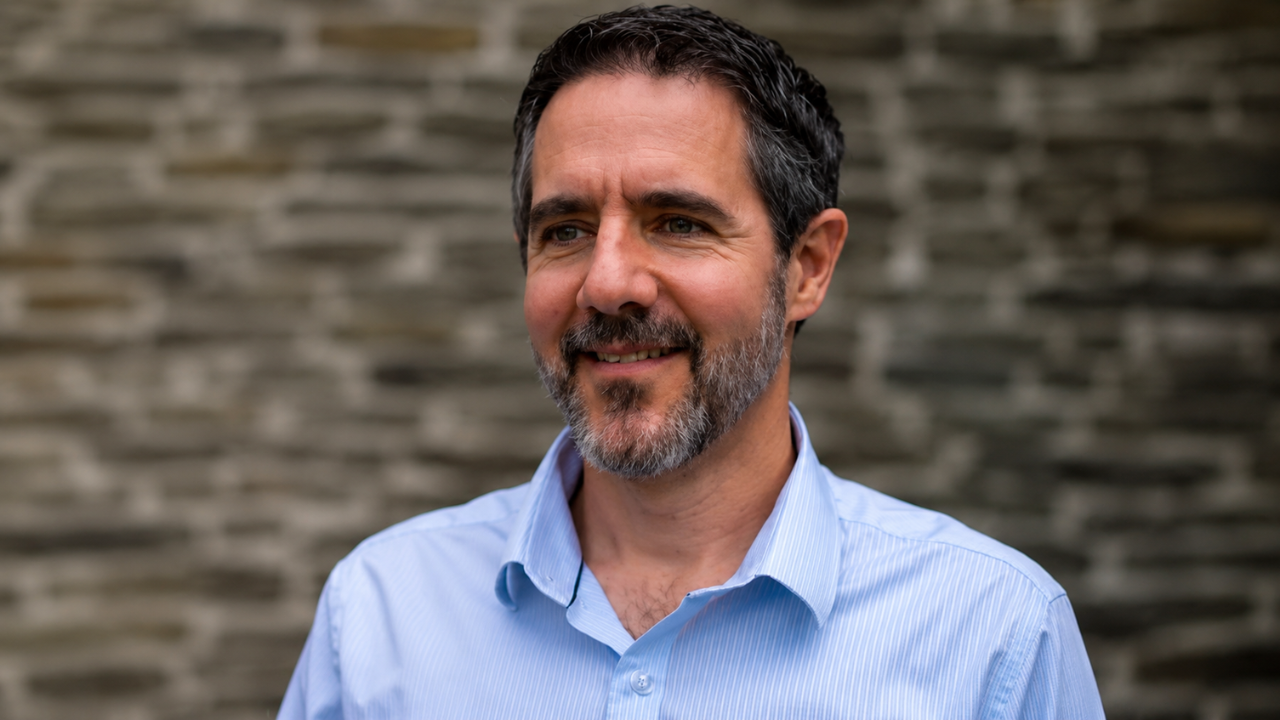
Image: Marcel LeBrun/X
In an interview with CBC News: The National, LeBrun explained that his vision extends beyond constructing houses. “I see myself as a community builder,” he said, adding that the aim is not simply to create a small housing development but to strengthen the entire city by helping vulnerable people become part of the community again. He emphasised that homelessness cannot be solved by housing alone, arguing that stable accommodation, meaningful employment and a supportive neighbourhood must work together to help people regain independence. That philosophy became the foundation of 12 Neighbours, where housing is combined with jobs, social enterprises and access to essential support services.His vision became 12 Neighbours, a privately funded project that combines innovative construction methods with social enterprise to create a long-term response to homelessness.
What is the 12 Neighbours tiny home project?
Located in Fredericton, New Brunswick, 12 Neighbours is a purpose-built community designed around 99 tiny homes for people experiencing homelessness or housing insecurity. Instead of temporary shelters, residents receive their own private homes, providing stability and independence while remaining connected to essential support services.Each home measures approximately 240 square feet and includes a bedroom, bathroom, kitchenette, living area and front porch. The houses are also fitted with rooftop solar panels, helping reduce energy costs while making the community more environmentally sustainable.One of the project’s defining features is its construction process. The homes are manufactured inside a dedicated warehouse using assembly-line techniques before being transported to the site. Building indoors allows construction to continue year-round regardless of weather conditions while improving quality control and reducing costs.The community also includes shared green spaces, walking paths and communal facilities designed to encourage interaction among residents while maintaining individual privacy.
How the project helps people rebuild their lives
LeBrun has repeatedly said that providing a roof over someone’s head is only the first step towards overcoming homelessness. The broader goal of 12 Neighbours is to create a supportive environment where residents can regain confidence, develop skills and secure long-term employment.To achieve this, the project incorporates several social enterprises, including a coffee roastery, a silk-screen printing business and woodworking facilities, offering residents opportunities to earn an income while gaining valuable work experience. Additional support services, including healthcare, counselling and life-skills programmes, are available to help residents transition towards greater independence.The impact of the initiative can be seen in the experiences of residents like Amelia Joy, who credits 12 Neighbours with helping her regain stability and confidence. After struggling with homelessness and addiction, she says the community gave her more than just a place to live; it offered acceptance, purpose and a fresh start. Through Neighbourly Ventures, the project’s employment programme, Amelia found meaningful work and the opportunity to develop new skills while rebuilding her independence. She describes the supportive environment and encouragement from staff as instrumental in helping her rediscover hope and believe in a future that once seemed out of reach, illustrating how stable housing combined with employment and community support can transform lives.The tiny home model also addresses many of the shortcomings associated with traditional shelters. Residents have private, secure accommodation where they can cook meals, maintain routines and establish a sense of ownership, factors that are often considered essential for improving mental wellbeing and long-term stability.
Why has 12 Neighbours gained international attention
The success of 12 Neighbours has drawn interest from policymakers, housing advocates and urban planners across Canada and beyond. Rather than viewing homelessness solely as an emergency requiring temporary accommodation, the project demonstrates how permanent housing combined with employment opportunities and community support can create lasting change.Its use of prefabricated construction also offers a scalable approach that could potentially be adapted in other cities facing housing shortages. By producing homes in a controlled warehouse environment, construction becomes faster, more efficient and less vulnerable to weather-related delays.Although homelessness remains a complex issue with no single solution, Marcel LeBrun’s investment has shown how private philanthropy, innovative design and community-focused planning can work together to provide people with not just a home, but a genuine opportunity to rebuild their lives.