


A major railway construction project in England has uncovered a remarkable glimpse into the past, with archaeologists discovering a 1,740-year-old Roman silver coin bearing the name of Emperor Carausius. Found during excavations for the East West Rail route linking Oxford and Cambridge, the coin is helping researchers understand the timeline of ancient activity in the region. The discovery was part of a wider archaeological investigation that has revealed evidence of settlements, farming, pottery, burials, pits, ditches and postholes dating back to the Iron Age and Roman periods. More than 1,000 trial trenches have already been examined, with thousands more planned as archaeologists continue searching beneath the landscape.While the coin’s connection to a Roman emperor makes it a remarkable find, experts say its greatest value lies in the way it connects modern researchers with the everyday people who once lived, worked and traded in Roman Britain. The ongoing excavations are expected to reveal even more secrets hidden beneath the future railway route.
Roman coin bearing Emperor Carausius’ name uncovered in England reveals lost history
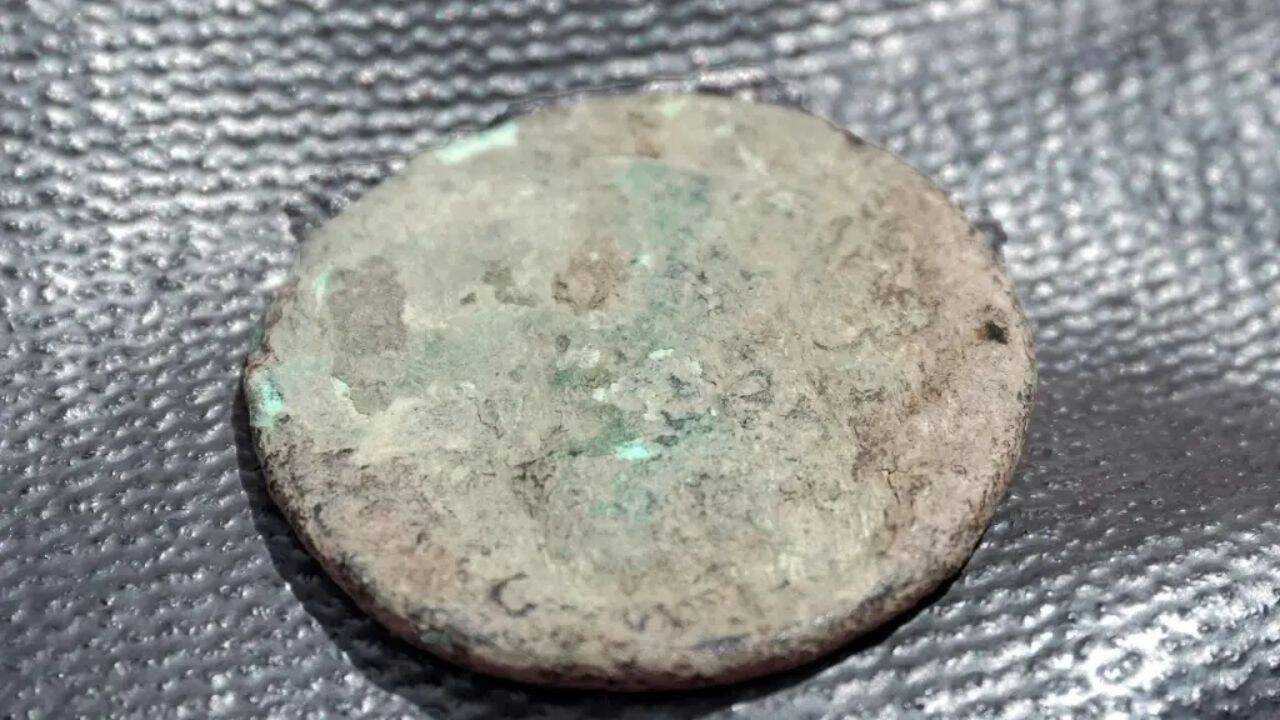
As reported by the BBC, among the discoveries attracting the most attention is a Roman coin dating to around 1,740 years ago. The silver coin carries the name of Emperor Carausius, the naval commander who later declared himself ruler of Britain and northern Gaul during the late third century AD.Recovered from excavations in southern England, the coin has survived in remarkably good condition despite spending centuries beneath the ground. For archaeologists, it provides far more than a striking artefact. Coins bearing the names of known rulers offer reliable dating evidence, helping specialists place nearby archaeological features within a much clearer historical timeframe.

PC: New York Post
Railway excavations continue to uncover unexpected finds
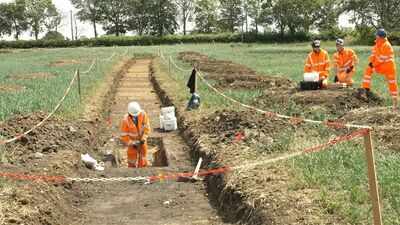
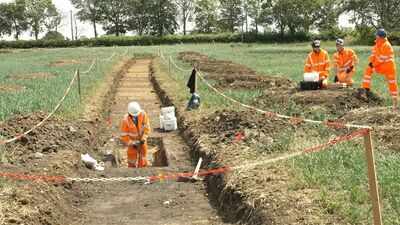
The discoveries form part of extensive archaeological work taking place before construction of the East West Rail line. More than 1,000 trial trenches have already been excavated across Bedfordshire and Cambridgeshire, with thousands more planned over the coming years.Before digging begins, survey teams use geophysical techniques to identify areas that may contain buried remains. Even so, not everything appears on those scans.Mike Court, historic environment lead at East West Rail, said: “Geophysical survey doesn’t generally show finds, cremations or burials, so these are often unexpected when they appear in the trenches.”
Pits, pottery and settlements reveal a thriving past
The Roman coin was not found in isolation. Archaeologists have uncovered evidence pointing to settlements and farming activity, with features such as pits, ditches and postholes cut into the natural ground.Fragments of pottery recovered from these features help establish the age of different sites, while metal-detecting within the excavated soil has led to additional coin discoveries.Other finds include a Late Iron Age vase, Roman pottery and ceramic vessels, adding further evidence that the surrounding landscape supported communities over many centuries rather than during a single period of occupation.Court explained: “These sites comprise numerous features, such as pits, ditches and postholes, cut into the natural ground.”
Thousands more trenches still to be explored
The current phase represents only part of the wider archaeological programme supporting the railway project. Around 6,000 trial trenches are expected to be completed along the proposed route over roughly two years before the development consent process moves forward.Each trench is typically about 50 metres long and around two metres wide, allowing archaeologists to investigate carefully selected sections before construction begins. Finds are cleaned, catalogued, analysed and preserved as part of the archaeological archive.Those involved in the project expect many more discoveries before the work is finished.Court said: “We are confident that we’ll uncover additional major sites over the next two years of our trenching program.”For archaeologists, every excavation offers another opportunity to encounter places that have remained untouched for centuries. As archaeology survey manager Joss Piper-Jarrett observed: “When you’re excavating these features, you’re often the first person to see them in 2,000 years, sometimes even longer, which is a really special feeling — it’s pretty amazing.”